

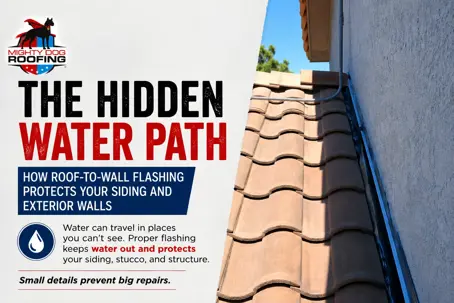
Most homeowners focus on shingles, tiles, gutters, or visible roof damage when thinking about leaks. However, one of the most important waterproofing systems on any home is often hidden in plain sight: the transition where the roof meets an exterior wall.
When these areas are properly protected, water is safely directed away from the structure. When they fail, moisture can travel behind siding, stucco, trim, insulation, and even interior walls before any visible signs appear.
In El Paso’s climate, where intense sun, seasonal storms, and occasional heavy rainfall can test every part of a home’s exterior, proper flashing installation plays a critical role in protecting your property.
Why Roof-to-Wall Areas Matter
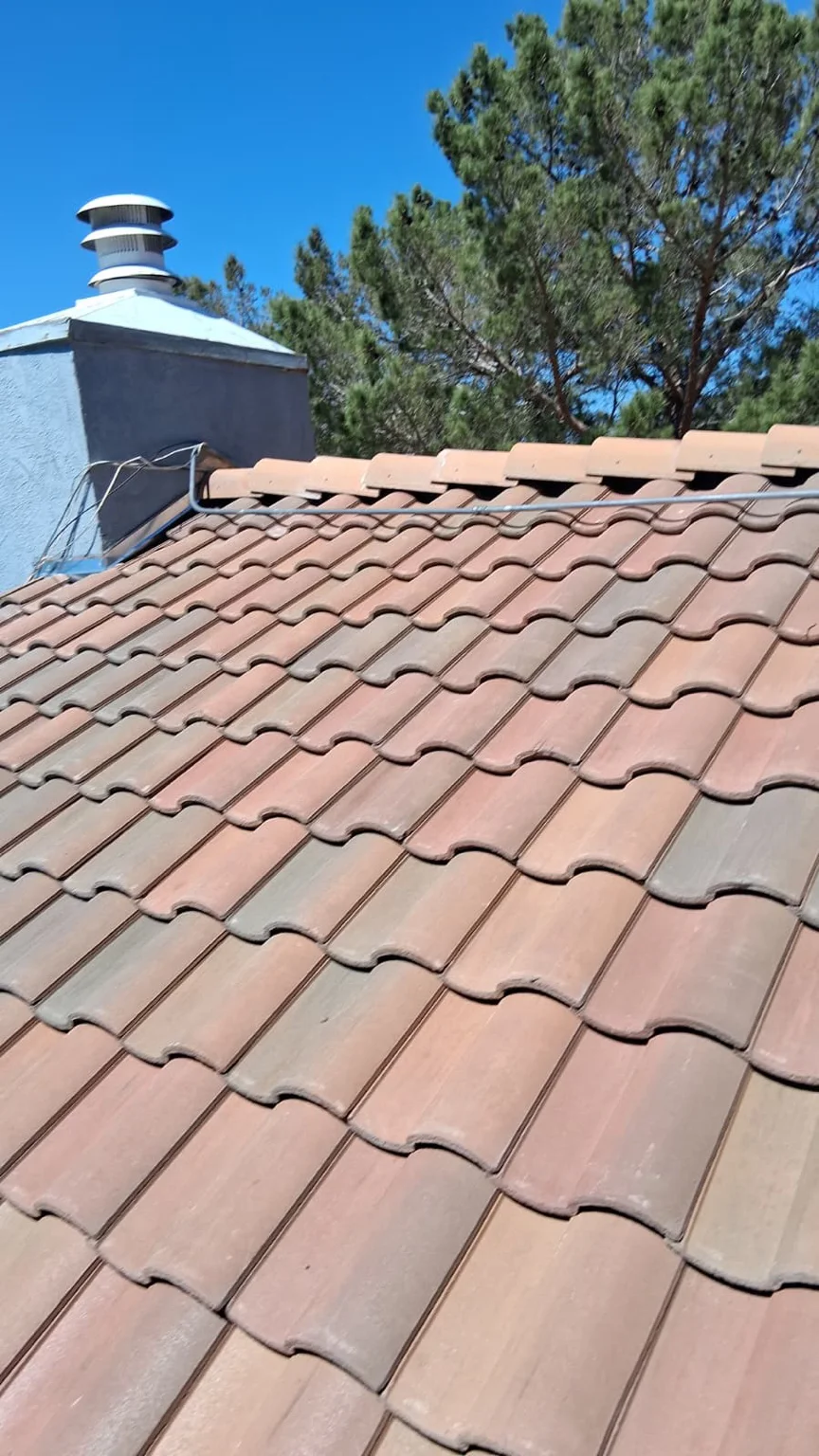
At first glance, a roof may appear to be in excellent condition. The tiles look intact, the surface appears clean, and there are no obvious signs of damage.
However, water does not always enter through the middle of a roof system. In many cases, leaks develop where different building materials meet, particularly where roofing connects to vertical walls.
These transition areas naturally collect and redirect water, making them one of the most important parts of a waterproof roofing system.
How Water Travels Along Exterior Walls
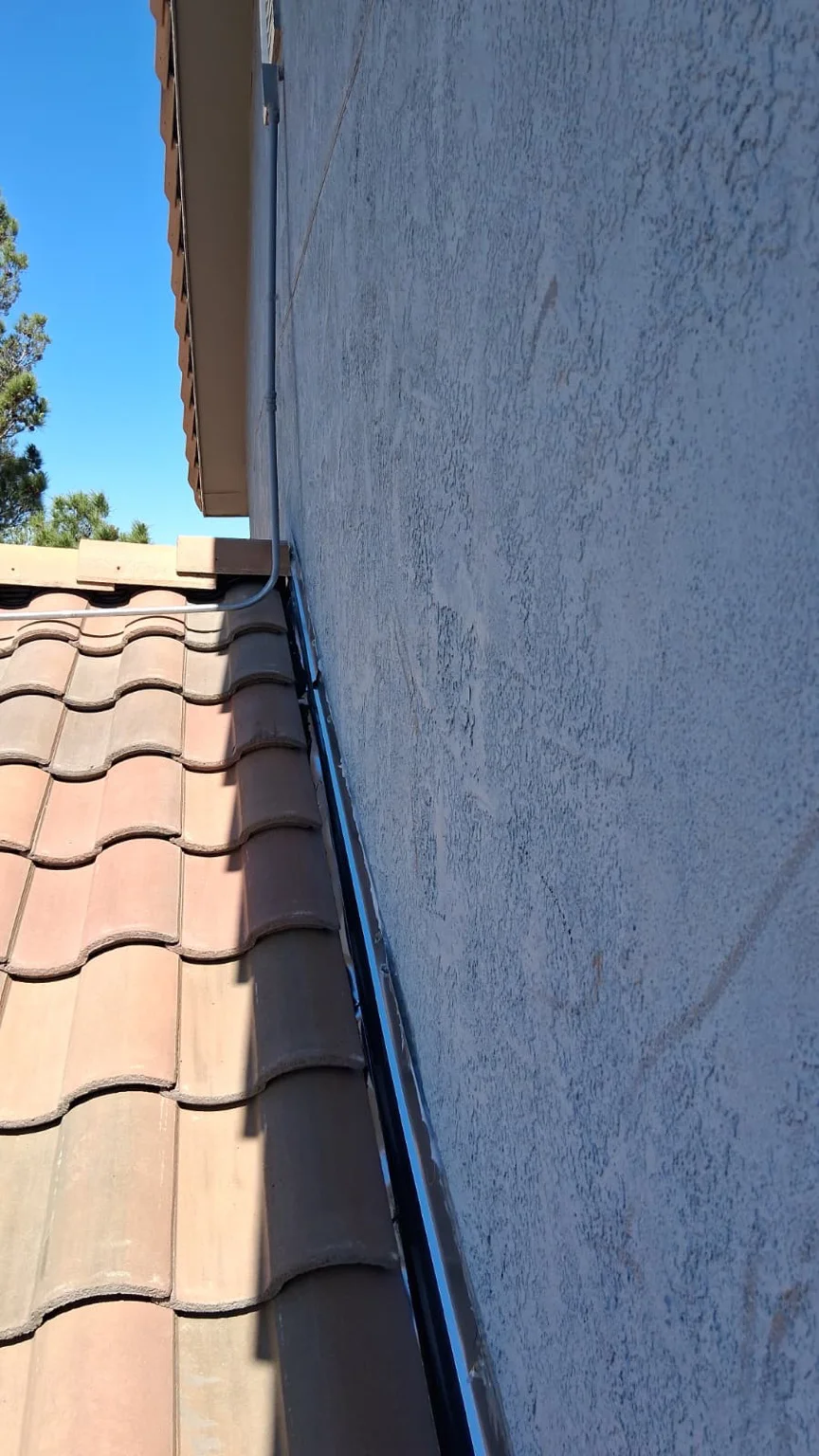
Rainwater follows the path of least resistance.
Instead of flowing directly down the roof surface, water can move sideways along walls, flashing components, roof valleys, and architectural transitions. Without proper protection, moisture may become trapped behind stucco, siding, or trim materials.
Over time, this hidden moisture can lead to:
- Stained interior walls
- Damaged insulation
- Mold growth
- Wood rot
- Structural deterioration
- Exterior wall damage
Many homeowners only discover these problems after visible damage appears inside the home.
What Proper Flashing Installation Looks Like
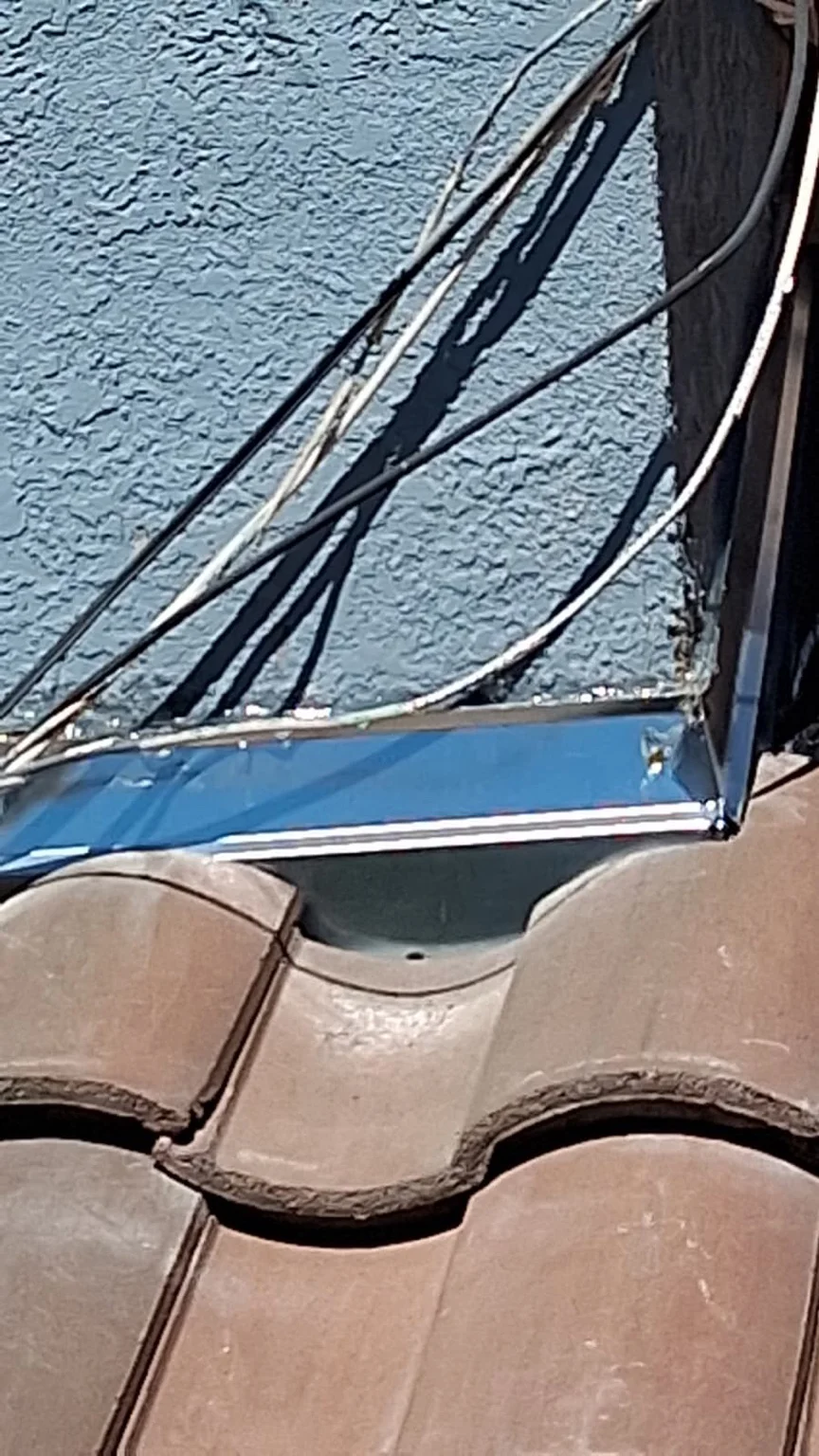
Flashing is designed to redirect water away from vulnerable areas before it can penetrate the building envelope.
A properly installed flashing system should:
- Create a continuous water barrier
- Direct water toward safe drainage paths
- Protect wall assemblies
- Prevent water from entering behind siding or stucco
- Work together with roofing materials and gutters
Even small gaps or improperly installed flashing can allow water to reach areas that were never intended to get wet.
Small Details Prevent Expensive Repairs
One of the most common misconceptions among homeowners is that a leak will always appear directly beneath the problem area.
In reality, water often travels significant distances before becoming visible indoors.
This is why professional inspections focus on transitions, flashing details, roof penetrations, and wall intersections rather than simply looking for missing roofing materials.
A small flashing issue today can become a major siding, stucco, or interior repair project later if left unaddressed.
Why Professional Roof Inspections Matter
Modern roofing inspections involve much more than simply looking at shingles or tiles.
Professional contractors use advanced inspection methods, including detailed photo documentation and drone technology, to identify hidden vulnerabilities before they become expensive problems.
At Mighty Dog Roofing of El Paso, our inspections focus on the entire roofing system—including flashing, drainage, roof-to-wall transitions, and exterior protection systems—to help homeowners make informed decisions about maintenance and repairs.
Protect Your Home Before Water Finds a Way In
Your roof does more than keep rain out—it protects your siding, exterior walls, insulation, and structural components from hidden water intrusion.
The next time you think about roof maintenance, remember that some of the most important protection on your home may be hidden where the roof meets the wall.
A professional inspection today can help prevent costly repairs tomorrow.
Call Mighty Dog Roofing of El Paso today at (915) 289-0664 to schedule your professional roof inspection.