
Navigating Roof Insurance Claims After Nor’easters in South Jersey
South Jersey homeowners are no strangers to the power of Nor’easters. These coastal storms bring strong winds, heavy rain, and sometimes snow—causing serious roof damage, even to newer or well-maintained homes.
Finding missing shingles, leaks, or debris after a storm is stressful. Filing an insurance claim on top of that can feel overwhelming. But if you know how to file a roof insurance claim and follow the right steps, you can restore your home with less hassle.
In this clear guide, you’ll learn how to document wind and hail damage, understand your insurance coverage, and work with trusted roofing contractors. We’ll help you confidently handle roof insurance claims and restore your home quickly and correctly.
Understanding Nor’easter Roof Damage in South Jersey
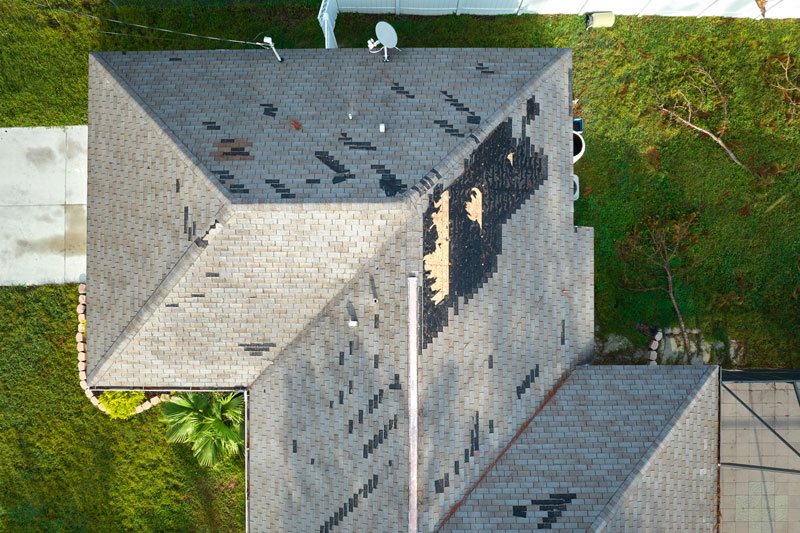
Nor’easters are major storms that hit the East Coast with northeast winds. In South Jersey, these storms often arrive in fall or winter. They bring gusts over 50–60 mph, driving rain or snow, and sometimes hail.
Your roof may suffer:
- Blown-off shingles
- Leaks from wind-driven rain or ice dams
- Falling tree branches or debris
- Loose gutters or flashing
Heavy snow buildup in winter Nor’easters can form ice dams, where meltwater backs up under shingles and leaks into your home.
What to Do Right After the Storm
1. Stay safe first. Never climb onto a damaged roof. Walk around your home and inspect it from the ground with binoculars.
2. Look for visible roof damage. Check for missing shingles, debris, sagging sections, or exposed areas. Inside, look for ceiling stains or attic leaks.
3. Document everything. Take clear photos of all visible damage—roof, gutters, ceilings, and debris. These will support your insurance claim.
4. Prevent further damage. Use a tarp to cover open areas. Move belongings away from leaks indoors. Save receipts if you purchase supplies—your insurance may reimburse you.
5. Get a free inspection. Many local companies, including Mighty Dog Roofing of South Jersey, offer free storm damage roof inspections. Their trained eyes will spot hidden issues like hail dents, flashing problems, or loose shingles.
Taking these steps helps you stabilize the situation and gather what you need to begin your claim.
Review Your Policy Before Filing
Before filing your claim, understand what your insurance covers.
Storm damage is covered. Standard homeowners insurance usually covers sudden roof damage from wind, hail, or falling objects.
Know These Key Details:
Wear and tear vs. storm damage: Insurance won’t cover damage due to old age or lack of maintenance. If your roof is 30 years old and already deteriorating, coverage may be limited to new damage from the storm.
Deductibles: This is the amount you pay before your insurance contributes. If repairs cost $5,000 and your deductible is $1,000, you pay $1,000 and the insurer covers $4,000.
Replacement Cost vs. Actual Cash Value (ACV):
- RCV means you get the full cost to replace your roof (minus the deductible).
- ACV means you get the current value of your old roof—less because of age and wear.
Policy limits and exclusions: Insurance won’t cover flood damage or long-term leaks. Make sure your storm damage is within your coverage.
Call your insurer if you’re unsure what’s covered.
How to File a Roof Insurance Claim
1. Contact your insurance company. Report the damage as soon as possible. Give the storm date and a short description of the damage.
2. Schedule the adjuster’s inspection. An adjuster will come to inspect your roof. If you can, have your roofing contractor meet them—they can point out damage and answer questions.
3. Provide documentation. Give your adjuster photos and inspection reports. Make a written list of everything you observed, such as “12 shingles missing on south slope, water stain in upstairs ceiling.”
4. Review the claim report. The adjuster will send a damage report and estimate. Review it with your roofer to ensure nothing is missed.
5. Get a contractor quote. Even if not required, have your roofer create a detailed estimate. If there are differences between their scope and the adjuster’s, your roofer can contact the insurer to sort them out.
6. Sign paperwork and approvals. Once everyone agrees on the work and cost, you may receive your first insurance check. For RCV policies, you’ll get the ACV portion first, and the rest after the repairs.
7. Pay your deductible and begin work. Choose a contractor who understands insurance work. Don’t trust anyone who offers to “waive” your deductible—it’s likely insurance fraud.
8. Complete repairs. Your contractor will handle roof repairs or replacement using the agreed materials and timeline.
9. Final inspection and payment. Your insurer may ask for final photos or documents. Then they’ll release any remaining funds. Your claim will be closed.
Choosing the Right Roofing Company
Pick local. Avoid out-of-town storm chasers. Choose a trusted South Jersey company like Mighty Dog Roofing of South Jersey. They know the area and will be here to back their work.
Verify licenses and insurance. Contractors must have New Jersey registration and carry insurance.
Rely on their expertise. Many offer free roof inspections, detailed quotes, and will assist with insurance communication.
Avoid upfront payments. Pay a deposit if needed, but don’t pay in full until the job is complete.
Ask about warranties. A reliable contractor offers material and workmanship warranties.
Prevent Future Roof Damage
You can’t stop storms, but you can reduce the risk of damage.
- Get regular inspections (at least once a year)
- Fix minor issues early
- Upgrade to stronger materials (like metal roofing)
- Trim overhanging trees
- Clean gutters to prevent ice dams
- Ensure proper attic insulation and ventilation
Being proactive lowers the chance of another major insurance claim and keeps your premiums down.
Final Thoughts
Nor’easters can wreak havoc, but with the right actions and support, your home can recover fully.
Document the damage. File your claim quickly. Understand your policy. Choose a reliable roofer.
Mighty Dog Roofing of South Jersey is here to help—from your free storm damage roof inspection to the final cleanup. Don’t face the process alone. With expert guidance, you’ll restore your roof and protect your home for years to come.