


What Homeowners Need to Know After Winter and Before Spring Storms
A Spring Roof Preparation Guide for South Jersey and New Jersey Shore Homes
Winter weather across South Jersey and the Garden State can quietly take a toll on residential roofs and gutter systems. Snow, ice, high winds, and fluctuating temperatures often cause wear that isn’t immediately visible, especially on asphalt shingles and older roofing materials.
As spring approaches, roof inspections and seasonal maintenance help reduce the risk of water intrusion, moisture intrusion, and long-term damage. For both year-round residences and vacation or shore properties—including homes near Spring Lake and Long Beach Island—early attention allows homeowners to address small repairs or replacement needs before they turn into costly roof repairs.
This guide explains what to check after winter, how to prepare your roof and gutters for spring weather, and why seasonal upkeep plays a critical role in protecting South Jersey homes across the United States.
What this guide covers for South Jersey homeowners:
- Post-winter roof inspections for asphalt shingle roofs
- Gutter and drainage checks before spring rain
- Common winter-related damage that leads to water intrusion
- Maintenance tips for year-round and shore properties
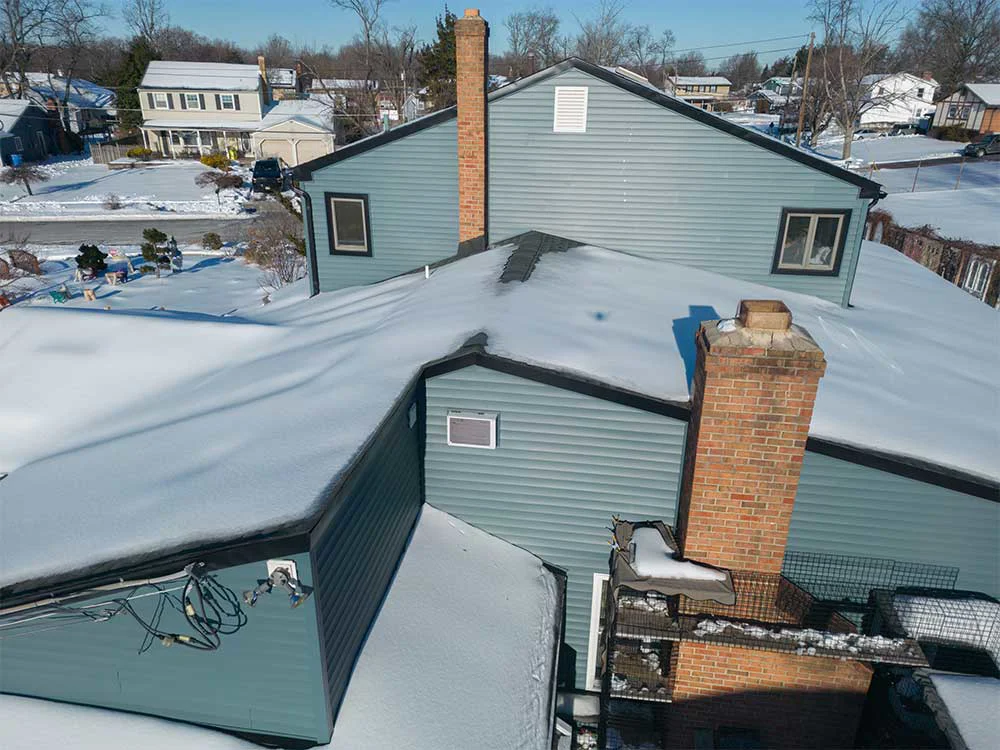
Start at the Top: Post-Winter Roof Checks
Asphalt shingle roofs are designed to withstand New Jersey’s climate, but winter conditions can still expose weaknesses. Snow accumulation, ice buildup, wind-driven rain, and repeated freeze-thaw cycles can loosen shingles, stress flashing, and compromise the water-resistive barrier beneath the roofing system.
What to Look for on Your Roof After Winter
From the ground or using binoculars, homeowners should look for:
- Missing, lifted, cracked, or curling asphalt shingles
- Dark or uneven areas where granules may have worn away
- Shingle debris or granules collecting in gutters
- Bent or separated flashing around chimneys, vents, and roof edges
Inside the home, check attics and upper ceilings for:
- Water stains or discoloration
- Damp insulation
- Musty odors that may indicate trapped moisture
Roof issues don’t always appear immediately. In many cases, minor winter damage becomes visible only after spring rainstorms. Addressing concerns early helps prevent water intrusion, mold growth, and structural deterioration.
For shore homes that sat vacant during winter, a professional roof inspection by a licensed roofing contractor can be especially valuable, as leaks or storm damage may have gone unnoticed for a long time.
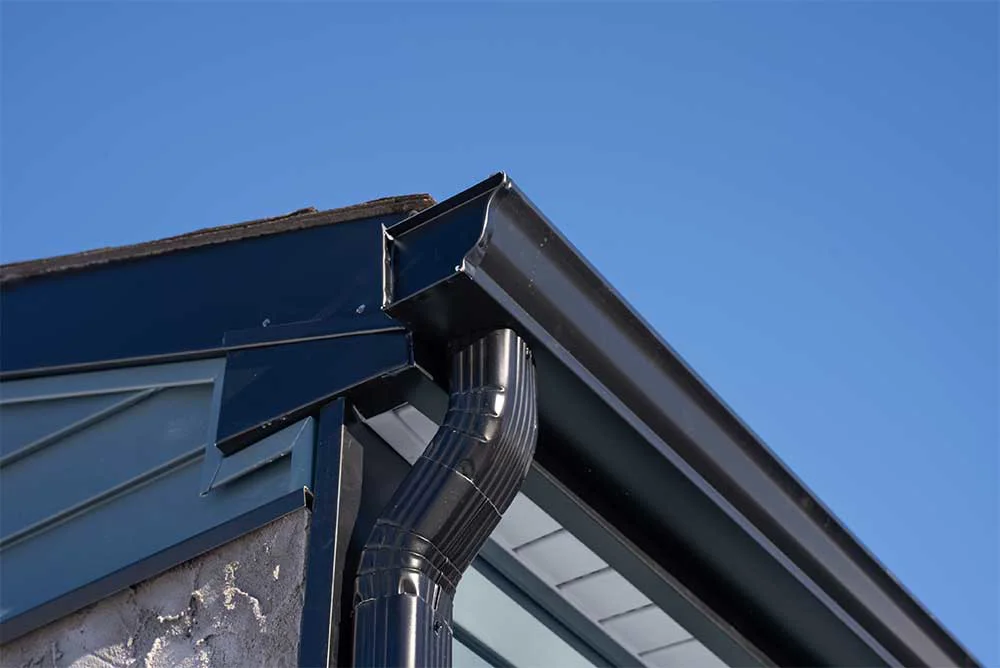
Gutters and Downspouts: Preparing for Spring Rain
Gutters play a critical role in protecting your roof, siding, and foundation, yet they’re often overlooked until problems arise. Winter debris, ice expansion, and heavy snow loads can clog or damage gutter systems.
Spring Gutter Checklist
Homeowners should:
- Remove leaves, twigs, pine needles, and winter debris
- Flush gutters and downspouts to confirm proper drainage
- Check for sagging sections, loose fasteners, or leaks at seams
- Ensure downspouts direct water away from the foundation
Clogged or damaged gutters can cause water to overflow, leading to fascia rot, siding stains, foundation erosion, and interior leaks. Spring rain will quickly expose gutter issues, making seasonal inspection essential.
For coastal properties, windblown debris and salt exposure increase wear, making regular maintenance especially important.
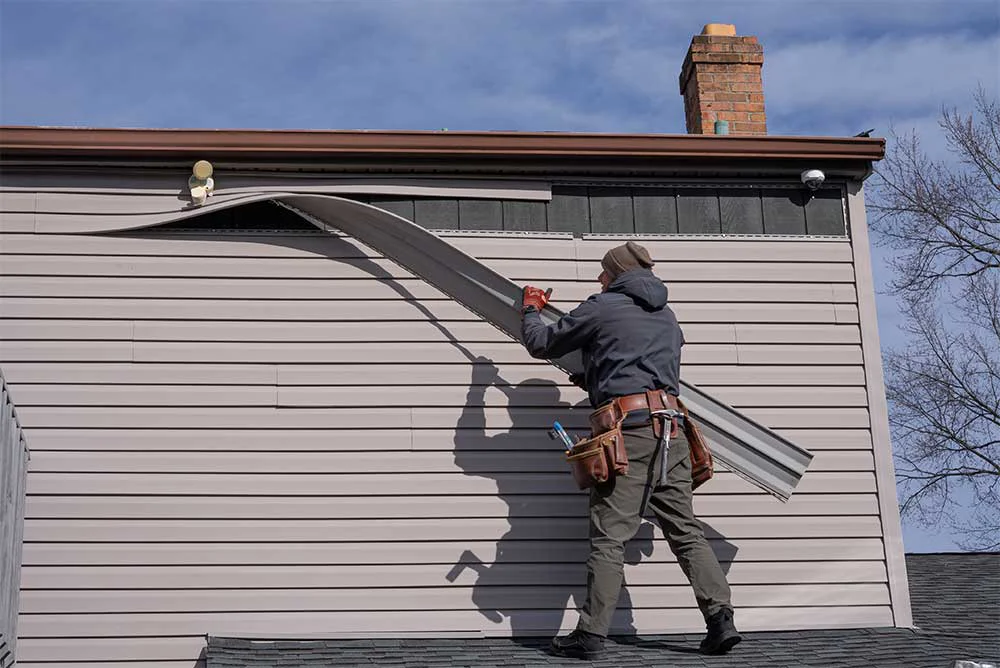
Siding Inspection: Identifying Winter Wear and Tear
Siding protects the home from moisture, temperature extremes, and wind. Winter conditions can cause siding panels to loosen, crack, or separate—particularly after storms.
What to Check on Siding After Winter
Walk the perimeter of your home and look for:
- Cracked, warped, or loose siding panels
- Gaps around corners, trim, and penetrations
- Peeling paint or deteriorated caulking
- Stains or streaks that may indicate water runoff issues
Spring is an ideal time to gently clean siding to remove winter grime, salt residue, and mildew. Cleaning improves curb appeal and makes it easier to spot damage that may require repairs or replacement.
Windows and Doors: Sealing Out Spring Moisture
Windows and doors are common sources of air and water infiltration after winter. Cold temperatures and moisture can crack caulking and compromise weather seals.
Post-Winter Window and Door Checks
Homeowners should:
- Inspect exterior caulking and reseal any gaps
- Clean window tracks and weep holes
- Test windows and doors to ensure smooth operation
- Replace damaged weatherstripping
- Inspect screens and hardware
Properly sealed windows help prevent drafts, moisture intrusion, and humidity issues as spring weather arrives.
Why Spring Maintenance Matters for Shore Homes
New Jersey Shore properties face added challenges beyond inland South Jersey homes. High winds, salt air, sand, and fluctuating occupancy increase the risk of unnoticed damage.
Spring maintenance helps shore homeowners:
- Identify storm-related roof damage early
- Remove salt residue from siding and windows
- Confirm gutters and drainage systems are functioning
- Prepare the home for seasonal occupancy
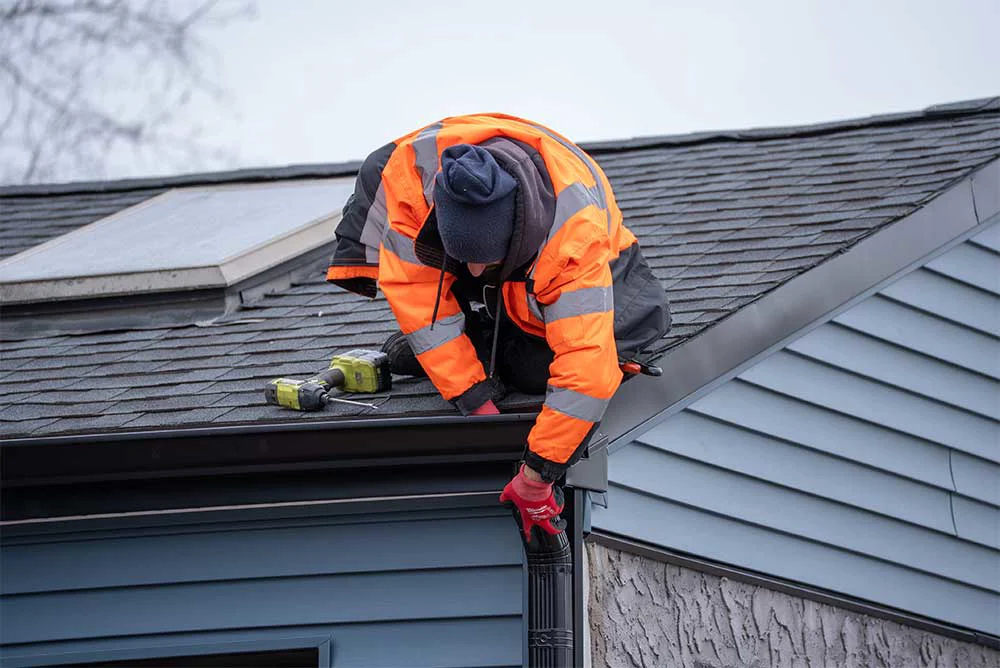
When a Professional Inspection Makes Sense
While many maintenance tasks can be handled by homeowners, certain situations call for evaluation by a professional roofing contractor:
- Homes exposed to heavy snow or high winds
- Roofs approaching mid-life or older
- Vacation properties left unoccupied during winter
- Signs of water stains, peeling paint, or interior moisture
A professional roof inspection can clarify whether roof repairs, insurance claim documentation, or longer-term planning may be needed.
Getting Your Home Ready for Spring
Spring is a transition season, and the steps you take now influence your home’s performance for the rest of the year. Addressing winter wear early helps protect your roof, gutters, and exterior systems from spring rain, summer heat, and future storms.
Homeowners who want added peace of mind may choose to schedule seasonal roof inspections or consult professional roofing contractors to better understand their home’s condition—even if no immediate repairs are required.
Final Thought
Your roof, gutters, siding, and windows function as a system. After winter, giving each component attention helps ensure your South Jersey or New Jersey Shore home stays dry, efficient, and protected for the long term.