

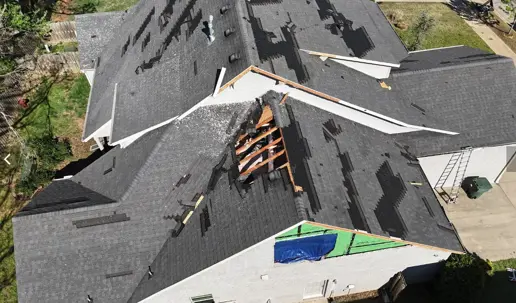
What Happens After a Roof Leak Causes Interior Damage in Springdale?
A roof leak is rarely just a roofing problem.
For many homeowners in Springdale, what starts as a small drip or ceiling stain can quickly lead to damaged drywall, wet insulation, mold growth, and expensive interior repairs if not addressed quickly.
Northwest Arkansas weather can be tough on roofing systems. Between hailstorms, heavy rain, strong winds, and occasional tornado activity, even a minor roofing issue can allow water to enter the home and spread far beyond the original leak.
Understanding what happens after a roof leak causes interior damage can help homeowners act faster and potentially avoid much larger restoration costs.
Water Usually Spreads Further Than You Think
One of the most common misconceptions after a roof leak is assuming the visible water spot is the only affected area.
In reality, water often travels through:
- Attic spaces
- Roof decking
- Insulation
- Wall cavities
- Ceiling joists
before becoming visible inside the home.
That small ceiling stain in your living room may actually be connected to a much larger area of trapped moisture above the ceiling.
This is especially common after Springdale storm events where wind-driven rain enters vulnerable roofing areas around flashing, vents, skylights, chimneys, or missing shingles.
Interior Damage Can Begin Quickly
Once moisture enters the home, damage can accelerate quickly.
Affected materials often include:
- Drywall
- Paint and ceiling texture
- Flooring
- Wood framing
- Cabinets
- Trim and baseboards
- Insulation
Because Northwest Arkansas has a humid climate, trapped moisture may not dry properly on its own. Without professional mitigation, moisture can linger behind walls and ceilings long after the visible leak appears to stop.
Mold Growth Is a Major Concern
One of the biggest risks after a roof leak is mold growth.
In the right conditions, mold can begin developing within 24–48 hours. Areas with limited airflow — like attics, insulation, or behind drywall — are especially vulnerable.
Homeowners may notice:
- Musty odors
- Dark spots on ceilings or walls
- Increased allergy symptoms
- Damp insulation
- Lingering moisture smells
The longer water sits untreated, the greater the risk of widespread interior damage and costly remediation.
Roof Repairs Alone May Not Fully Solve the Problem
Stopping the roof leak is critical — but fixing the roof itself is often only the first step.
If moisture has already spread inside the home, additional drying and restoration work may be necessary to properly address the damage.
Many homeowners are surprised to learn that:
- Wet insulation may need replacement
- Drywall may need removal
- Moisture readings may still remain elevated after the leak stops
- Hidden mold can continue spreading behind walls
That’s why roofing contractors and restoration companies often work together after major storm damage events.
Storm Damage in Springdale Often Creates Both Roofing and Interior Issues
After severe weather in Northwest Arkansas, homeowners are frequently dealing with both exterior roof damage and interior water intrusion at the same time.
Knowing what to do immediately after a major storm can make a significant difference in preventing additional damage. This helpful storm recovery resource from Paul Davis Restoration outlines important steps homeowners should take during the first 24 hours after a tornado or major storm event in Northwest Arkansas:
Taking quick action after storm damage can help reduce secondary issues like mold growth, structural deterioration, and insurance complications.
Delaying Repairs Can Create Insurance Problems
Many homeowners wait too long to address a roof leak because the damage initially appears minor.
Unfortunately, delays can sometimes complicate insurance claims.
Insurance carriers may question:
- When the damage occurred
- Whether the homeowner acted promptly
- If secondary damage could have been prevented
Documenting the damage early, scheduling a professional inspection, and beginning mitigation quickly can help strengthen the claims process.
Signs Your Roof Leak May Have Caused Interior Damage
Homeowners in Springdale should watch for:
- Water stains on ceilings or walls
- Bubbling paint
- Sagging drywall
- Soft spots in ceilings
- Damp attic insulation
- Musty odors
- Warped flooring
- Visible mold growth
Even small signs can indicate hidden moisture problems inside the home.
What Springdale Homeowners Should Do Next
If you suspect your roof leak has caused interior damage:
- Schedule a professional roof inspection
- Document all visible damage with photos
- Prevent additional water intrusion immediately
- Have affected areas checked for hidden moisture
- Address both roofing repairs and interior drying needs
The faster homeowners respond, the more likely they are to minimize long-term damage and repair costs.
Protecting Your Home After a Roof Leak
Roof leaks in Springdale can escalate quickly — especially after severe weather events common throughout Northwest Arkansas.
A small leak today can become a major restoration project tomorrow if trapped moisture is allowed to spread unchecked.
Working with experienced roofing and restoration professionals early in the process can help homeowners protect their property, reduce long-term damage, and restore their home more efficiently.