
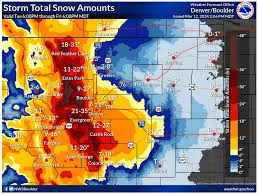
Each season in Denver brings unique challenges for your residential roof. At 5,280 feet, Colorado's capital faces hail from the Front Range corridor, UV radiation 25 percent more intense than at sea level, Chinook freeze-thaw cycles, and heavy wet snow loads. Denver's three wind speed zones (115 mph east of Federal, 125 mph to Sheridan, 140 mph to Kipling) add variable wind exposure across the city's neighborhoods. The 2017 supercell caused $2.3 billion in damage. The May 2024 storm caused $1.9 billion more. Proactive seasonal maintenance is the difference between a roof that lasts its full rated lifespan and one that fails early. This guide walks you through every season.
Ready for a seasonal roof inspection in Denver?
Call Mighty Dog Roofing of Downtown Denver at (720) 702-1572 for a free inspection.
Visit our Denver service page or contact us online.
Spring Roof Care: Recovery and Preparation (March through May)
Spring in Denver is unpredictable. Rapid weather changes strain your roofing system. After a harsh winter, this is the time to assess damage and prepare for hail season ahead.
Post-Winter Damage Assessment
The freeze-thaw cycles of winter create hidden issues that become apparent as temperatures rise. Check for loose or dislodged shingles from winter winds and snow weight. Look for cracked flashing around chimneys, vents, and skylights where metal expands and contracts throughout the cold months. Examine roof valleys where ice dam damage concentrates. Denver's Chinook events create rapid temperature swings that stress every material on your roof. The National Weather Service in Boulder tracks these events through the Denver metro.
Spring Gutter Maintenance
Your gutter system protects both your roof and your foundation. Clear all winter debris from gutters and downspouts. Ensure drainage directs water at least five feet away from your home's foundation. Check for loose or sagging sections. Verify all gutter fasteners remain secure after winter freeze-thaw cycles. We handle gutter repair and installation as part of seasonal maintenance.
Professional Spring Inspection
While ground-level visual assessments are valuable, a professional roof inspection provides critical advantages: identification of hidden damage not visible from the ground, documentation for insurance purposes if winter damage is found, early detection of potential issues before spring and summer storms, and assessment of your roof's overall condition and remaining lifespan. On Denver homes in Zone 3 (140 mph, west of Sheridan), spring inspections should pay particular attention to wind damage from Chinook events that hit the western neighborhoods hardest.
Summer Protection: Defending Against Heat and Storms (June through September)
Denver summers bring intense UV radiation at altitude, coupled with the risk of severe thunderstorms and hail. These extreme conditions require proactive protection strategies.
Heat and UV Impact on Roofing Materials
Denver averages over 300 sunny days per year at Mile High elevation. UV radiation at 5,280 feet is approximately 25 percent more intense than at sea level. This accelerates degradation on every roofing material. Asphalt shingles blister and lose granules when attic ventilation is inadequate. Metal roofing expands and contracts significantly, requiring proper fastening systems. Flat roofing membranes develop bubbles or separations in extreme heat. Products certified by the Cool Roof Rating Council resist UV degradation better than standard materials. The U.S. Department of Energy recommends proper attic ventilation to reduce heat buildup that accelerates UV damage.
Summer Storm Preparation
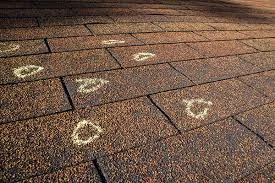
Denver's summer thunderstorms often include high winds, lightning, and damaging hail. Peak hail season runs from April through July. The UL 2218 impact test rates Class 4 at the highest hail resistance. The Colorado Division of Insurance provides information on 15 to 28 percent premium discounts for Class 4 installations. Trim overhanging branches that could damage your roof during windstorms. Secure or remove items that could become airborne during high winds. Document your roof's pre-storm condition with photos for potential insurance claims. After every storm, photograph indicators from the ground: dented gutters, damaged AC units, and dented cars often indicate roof damage above.
Hail season runs April through July. Is your Denver roof ready?
Call (720) 702-1572 or visit our Denver service page to schedule your free inspection.
We also respond to email and online contact forms on our website.
Fall Preparations: Getting Ready for Winter (October through November)
Fall is the critical preparation season before winter's harsh conditions arrive. Taking preventive measures now prevents costly emergency repairs during cold weather.
Clearing Debris and Inspecting for Summer Damage
Remove all leaves, pine needles, and debris from roof surfaces and gutters. Clear debris from roof valleys where water channels form. Check downspouts for blockages and ensure proper water flow. Remove debris buildup around roof penetrations like vents and chimneys. After clearing, carefully assess for damage from summer storms: dented, cracked, or missing shingles from hail, flashing damage from wind events, lifted roof edges, and deteriorated sealants around penetrations. Our residential roofing services cover every component of fall preparation.
Critical Fall Gutter and Flashing Maintenance
Properly functioning gutters are essential for winter roof protection. Clean gutters thoroughly after leaves have fallen. Check and repair sagging sections. Ensure downspouts direct water at least five feet from your foundation. Inspect all flashing around chimneys, vents, and skylights. Reseal compromised areas with appropriate roofing sealant. Replace damaged flashing before winter weather arrives. Flashing failures are a primary cause of roof leaks during winter, and Denver's Chinook freeze-thaw cycles stress every seal on the roof.
Winter Weatherproofing: Surviving Denver's Snow Season (December through February)
Winter brings the heaviest strain on Denver roofing systems. Proper preparation and ongoing maintenance during winter months prevent damage that compounds through the season.
Snow Load Considerations
Denver building codes require roofs to handle a minimum 30 pounds per square foot ground snow load. Fresh powder weighs about 5 pounds per cubic foot. Wet, heavy Denver snow weighs 15 to 20 pounds per cubic foot. A two-foot accumulation of wet snow can approach the design load on older homes. Warning signs of excess weight include creaking sounds, sticking doors or windows, and visible sagging. Flat and low-slope roofs face the highest risk because snow does not slide off. Consider safe snow removal methods for flat or low-slope roofs. Monitor areas where snow drifts create uneven loading, especially on the leeward side of ridges.
Ice Dam Prevention
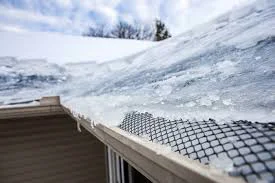
Ice dams form when heat escapes through the roof, melting snow that refreezes at the cold eave. The resulting ice barrier traps water that backs up under shingles and leaks into the home. Prevention requires three components: adequate attic insulation (the EPA ENERGY STAR program recommends R-49 for Climate Zone 5), proper ventilation (continuous ridge vent with soffit intake), and air sealing to stop warm air leaks into the attic space. Denver does not require ice and water shield by code, but installing it at eaves and valleys provides additional protection during Chinook freeze-thaw cycles. Zone 3 homes (west Denver, 140 mph) face the strongest Chinook events.
Attic Insulation: Your Roof's Winter Foundation
Your attic's condition directly impacts winter roof performance. Maintain R-49 insulation for Denver's Climate Zone 5. Check for and seal air leaks that allow warm household air into the attic. Ensure rafter baffles remain clear to maintain proper ventilation flow. Monitor attic humidity levels to prevent condensation that damages sheathing and framing from below. On Denver's older homes in Capitol Hill, Five Points, and Congress Park, original insulation may be R-11 or less, creating severe ice dam conditions every winter.
Seasonal Maintenance Calendar at a Glance
| Season | Priority Actions | Denver-Specific Factor |
|---|---|---|
| Spring (Mar-May) | Inspect for winter damage, clean gutters, schedule professional inspection | Chinook damage assessment. Pre-hail season documentation. |
| Summer (Jun-Sep) | Post-storm photos, trim branches, check UV damage, verify ventilation | Hail season peak. $4.2B in 2017+2024 storms. 300+ sunny days UV. |
| Fall (Oct-Nov) | Clear debris, check flashing, clean gutters, seal penetrations | Last window before winter. Chinook prep. Flashing critical. |
| Winter (Dec-Feb) | Monitor snow loads, watch for ice dams, verify insulation, emergency prep | 30 psf design load. Chinook freeze-thaw. Zone 3 strongest events. |
Year-Round Maintenance Tips for Denver Homeowners
Regardless of season, these practices extend your roof's lifespan and protect your investment. Schedule professional inspections twice yearly in spring and fall. Maintain records of all roof repairs and maintenance for insurance purposes and resale documentation. Keep trees trimmed at least six feet from roof surfaces to prevent branch damage and debris accumulation. Address minor issues promptly before they become major problems. On Denver homes valued at $400,000 to $2,000,000+, a $500 repair today prevents a $5,000 problem next year. Visit our roof replacement page when maintenance reveals that replacement is more cost-effective than continued repairs.
Proactive maintenance is always less expensive than reactive repairs. This is especially true in Denver's challenging climate, where three wind zones, Front Range hail, Chinook cycles, and Mile High UV create the most demanding residential roofing environment in Colorado.
Frequently Asked Questions: Seasonal Roof Maintenance in Denver
How often should I have my Denver roof inspected?
Twice per year: spring (March/April) and fall (October/November). Additional inspections after major hail or wind events. Denver's three wind zones and hail corridor make regular inspections especially important.
What insulation level does my Denver attic need?
R-49 per EPA ENERGY STAR for Climate Zone 5. Many older homes have R-11 to R-19. Proper insulation is the primary defense against ice dams and summer heat buildup.
How do I prevent ice dams?
R-49 insulation, continuous ridge vent with soffit intake, and air sealing. Denver does not require ice shield by code, but it adds protection during Chinook freeze-thaw cycles.
When is hail season in Denver?
April through July, with May/June peak. $4.2B in combined losses from 2017 and 2024 storms. Photograph your roof before and after every storm.
How much snow can my roof handle?
Denver codes: 30 psf minimum. Wet snow: 15-20 lbs/cubic foot. Two feet of wet snow approaches design load on older homes. Watch for creaking, sticking doors, and visible sagging.
Denver's four seasons test every roof. Proactive maintenance saves thousands over the life of your home.
Call Mighty Dog Roofing of Downtown Denver at (720) 702-1572
Visit mightydogroofing.com to schedule your seasonal inspection.
Contact us by phone, email, or through our online form.
By following this seasonal maintenance guide, you will maximize your Denver roof's lifespan while minimizing the risk of unexpected failures and costly repairs. Contact Mighty Dog Roofing of Downtown Denver today to schedule your next seasonal inspection.