
A roof replacement in Boulder protects the most valuable residential properties in the Denver metro area. With a median single-family home price of $1,375,000 in 2024, the stakes are higher here than in any other city in this series. Boulder also faces a documented triple threat: Front Range hail, the catastrophic 2013 flood ($3 billion in damage), and proximity to the 2021 Marshall Fire. The city is transitioning from 2018 ICC codes to 2024 ICC codes effective August 1, 2025, with the 2024 Boulder Energy Conservation Code (CoBECC) already in effect since December 2024. Material weight changes require an engineer's letter. Steep hillside homes near the Flatirons add pitch complexity and access challenges. A Boulder replacement demands materials, planning, and expertise matched to the most complex roofing environment on the Front Range.
Ready for a new roof in Boulder, CO?
Call Mighty Dog Roofing of Downtown Denver at (720) 702-1572 for a free estimate.
Visit our Boulder service page or contact us online.
Signs Your Boulder Roof Needs Replacement
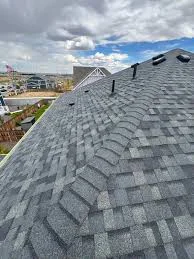
UV radiation at Boulder's 5,430-foot elevation degrades roofing roughly 20 percent faster than at sea level. Standard asphalt shingles last 17 to 22 years. Architectural shingles last 20 to 25 years. Boulder's triple-threat exposure shortens these lifespans further. Hail fractures the mat. Flood-driven moisture saturates the deck. UV at altitude dries adhesive strips and degrades granule coverage. The National Weather Service in Boulder (headquartered in the city) tracks storms through the foothills transition. Curling tabs, cracked shingles, exposed fiberglass, granule loss in gutters, and interior water stains all indicate a roof approaching end of life.
On a $1,375,000 home, delaying replacement compounds the damage to decking, insulation, and interior finishes. A roof that could have been replaced for $14,000 becomes a $22,000 project when water intrusion damages the substrate, attic framing, and drywall below. Homes near Boulder Creek that took saturation during the 2013 flood are especially vulnerable: the decking may still carry moisture damage that accelerates shingle degradation from below, even if the surface looks intact from the ground. Schedule a free roof inspection to assess remaining life before the next storm season.
Roofing Materials for Boulder's Triple Threat
| Material | Hail | Fire | Flood/Moisture | Cost Range |
|---|---|---|---|---|
| Standard Architectural | Moderate | Class A | Standard | $11,000 - $20,000 |
| Class 4 + Class A | High (Class 4) | Class A | Standard | $14,000 - $25,500 |
| Standing Seam Metal | High | Class A | Excellent shed | $18,000 - $35,000 |
| Concrete Tile | High | Class A | Good | $20,000 - $40,000 |
| Synthetic Composite | High | Class A avail. | Good | $14,000 - $27,000 |
The UL 2218 impact test rates Class 4 at the highest hail resistance. Class A is the highest fire rating. The Colorado Division of Insurance provides information on 15 to 28 percent premium discounts for Class 4 installations. Products certified by the Cool Roof Rating Council offer tested solar reflectance that supports CoBECC energy targets. Note: switching from asphalt to concrete tile or other heavier materials requires a structural engineer's letter in Boulder.
.jpg.webp)
Get a free roof replacement estimate for your Boulder home.
Call (720) 702-1572 or visit our Boulder service page.
Reach us by phone, email, or through our online contact form.
Boulder's Code Environment: The Most Complex in the Campaign
The City of Boulder Building Division handles all permits and inspections. Boulder is transitioning from 2018 ICC codes to 2024 ICC codes effective August 1, 2025. The 2024 CoBECC energy code went into effect December 1, 2024. Local amendments address energy efficiency, sustainability, ignition-resistant construction, and geologic hazards on steep terrain.
Key Boulder-specific requirements: a permit is required when the replacement covers 50 percent or more of the roof area. An engineer's letter is required when changing to heavier roofing material (such as asphalt to concrete tile) or adding solar panels. CoBECC may require insulation and ventilation improvements during a replacement depending on scope. A Roof Inspection Guide from the city outlines specific inspection protocols. Homes on steep terrain may trigger geologic hazard review provisions. These layered requirements make Boulder the most complex code environment in the campaign. Visit our roof replacement page for service details.
The Replacement Process in Boulder
Triple-Threat Inspection and Material Selection
We inspect your roof for hail indicators, moisture damage from flood and drainage exposure, and fire vulnerability. On hillside homes near the Flatirons, Flagstaff Mountain, or Sunshine Canyon, we evaluate pitch, access, and structural considerations. We recommend materials that address all three threats. The U.S. Department of Energy recommends verifying insulation and ventilation during every replacement.
Permit, CoBECC Compliance, and Installation
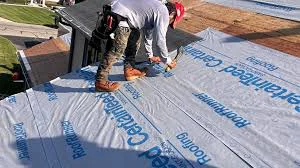
We determine whether your project triggers the 50 percent area threshold. We file the permit when required. We address CoBECC energy requirements for insulation and ventilation. We strip existing material, inspect the deck (checking for 2013 flood-era moisture damage on properties near creek corridors), and install triple-threat materials per manufacturer specifications. On steep-slope homes, we use specialized safety equipment and high-pitch techniques. Our residential roofing page covers complete service details.
Inspection, Documentation, and Warranty
We schedule the city inspection per Boulder's Roof Inspection Guide. You receive permits, inspection results, material warranties, CoBECC compliance documentation, and our workmanship warranty. We handle gutter repair and installation as part of complete projects.
Insurance and Home Value in Boulder
On Boulder homes valued at $1,375,000, a two percent hail deductible means roughly $27,500 out of pocket. Many Boulder policies carry separate deductibles for hail, flood, and wildfire. Class 4 shingles reduce hail premiums 15 to 28 percent. Fire-hardened materials may qualify for wildfire discounts. A new roof with documented city inspections and transferable warranties adds significant value in Boulder's competitive market where homes sell in 38 days on average. The EPA ENERGY STAR program recommends R-49 insulation for Climate Zone 5. CoBECC compliance documented during a replacement strengthens the home's energy performance profile for future buyers.
Boulder Neighborhoods We Serve
We handle replacements across all of Boulder: Chautauqua, Mapleton Hill, University Hill, Whittier, Pearl Street area, Martin Acres, Table Mesa, Gunbarrel, North Boulder, South Boulder, Newlands, Panorama Heights, Baseline, the CU campus area, and all foothills-adjacent neighborhoods including Flagstaff Mountain, Sunshine Canyon, and Boulder Heights. We serve both flat-terrain homes in east Boulder where hail is the primary concern and steep-slope properties near the Flatirons where pitch complexity, wind uplift, and wildfire proximity combine to create the most challenging replacement conditions in the metro area.
Best Time to Replace a Boulder Roof
The ideal replacement window in Boulder runs from late March through early November. Late spring (April through May) lets you finish before peak hail and flash flood season overlap. Late summer (August through September) takes advantage of warm, dry conditions after the worst storms pass, though the 2013 flood happened in September so weather windows are never guaranteed. Fall replacements (October through early November) get your home protected before winter snow loads. Boulder's steep hillside homes require additional scheduling consideration: dew and frost on steep pitches create safety hazards that shorten the workable hours in early spring and late fall. Plan early. Boulder's complex code environment means permit review takes longer than simpler jurisdictions. The CoBECC energy requirements add documentation that flatter cities in the campaign do not require.
Frequently Asked Questions: Roof Replacement in Boulder, CO
How much does replacement cost in Boulder?
Standard asphalt: $11,000 to $20,000. Class 4 + Class A: $14,000 to $25,500. Metal: $18,000 to $35,000. Steep terrain and CoBECC compliance add complexity.
What materials protect against all three threats?
Class 4 + Class A asphalt for hail and fire. Standing seam metal for hail, fire, and water shedding. Waterproof underlayment for flood corridor protection. Screened vents and sealed soffits for ember defense.
Does Boulder require an engineer?
For material weight changes (asphalt to tile) and solar additions, yes. Standard like-for-like replacements typically do not. Steep hillside homes may trigger structural review.
How does the energy code affect replacement?
2024 CoBECC may require insulation, air sealing, and ventilation improvements depending on project scope. Cool roof products support energy targets.
How long does replacement take?
Two to five days. Steep hillside homes take longer. Permit review varies by scope. The 50 percent roof area threshold determines permit requirement.
Protect your $1.375M Boulder home against hail, flood, and wildfire. Triple-threat materials exist. Use them.
Call Mighty Dog Roofing of Downtown Denver at (720) 702-1572
Visit mightydogroofing.com to request your free estimate.
Contact us by phone, email, or online form.
A roof replacement in Boulder demands triple-threat protection, CoBECC compliance, and materials matched to the most complex code environment on the Front Range. Contact Mighty Dog Roofing of Downtown Denver today.