

Boulder faces a triple threat no other city in this series shares. The 2013 Great Flood dropped over 17 inches of rain on Boulder County in one week, causing $3 billion in damage and devastating neighborhoods along Boulder Creek and its tributaries. The 2021 Marshall Fire destroyed 1,084 structures in adjacent Louisville and Superior, proving that wildfire reaches suburban communities. Front Range hail hits Boulder every season, with nearly 800 reports over one inch in 2023. On homes valued at $1,375,000, the combined risk makes roof protection the highest-stakes investment in this entire campaign. Understanding all three threats, identifying damage, and recovering under Boulder's complex code environment protects your home and your investment.

Storm damage on your Boulder roof? Act now on a $1.375M home.
Call Mighty Dog Roofing of Downtown Denver at (720) 702-1572 for a free triple-threat inspection.
Visit our Boulder service page or contact us online.
Threat 1: Front Range Hail at the Foothills Base
Boulder sits where the Flatirons meet the Great Plains. Storms form over the foothills and descend into the city. The National Weather Service in Boulder (headquartered in the city) monitors these events from one of the closest positions possible. Colorado saw nearly 800 reports of hail over one inch in 2023. The May 2024 storm caused $1.9 billion in metro-wide damage. The 2017 supercell caused $2.3 billion. Hail resistance is tested against UL 2218 standards. On Boulder's $1,375,000 median homes, a two percent hail deductible means roughly $27,500 out of pocket before insurance pays a dollar.
Threat 2: The 2013 Great Flood and Ongoing Flash Flood Risk
In September 2013, a stalled weather system dumped over 17 inches of rain on Boulder County. Boulder Creek overflowed, submerging neighborhoods, destroying bridges, and isolating mountain communities. Nearly 19,000 homes were damaged across the region and over 1,500 were destroyed. The event caused $3 billion in repair costs. Roofs absorbed saturation damage from above (driven rain and pooling) and below (rising humidity and standing water against foundations). Waterlogged decking, compromised underlayment, and trapped moisture continue to reduce roof life on homes that were not fully remediated. Flash flood season runs May through September. Boulder's foothills terrain and creek corridors funnel water rapidly through the city during intense storms.
Threat 3: Marshall Fire Proximity and Wildfire Risk
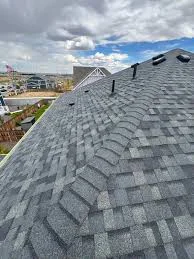
On December 30, 2021, the Marshall Fire destroyed 1,084 structures in adjacent Louisville and Superior. Wind gusts exceeded 100 mph. The fire spread through dry grass on 100+ mph winds, not through forest. Boulder's southern neighborhoods (South Boulder, Table Mesa, Martin Acres), the Flatirons Vista area, Marshall Mesa, and open space grasslands face the same ember-driven risk. Research shows 90 percent of suburban fire ignitions come from embers entering through attic vents, debris-filled gutters, and gaps in soffits. Boulder County's updated building code now includes ignition-resistant construction requirements.
Do not wait for a leak, a flood, or a fire to tell you about vulnerabilities.
Call (720) 702-1572 or visit our Boulder service page to schedule your free triple-threat inspection.
Contact us by phone, email, or through our website.
Types of Storm Damage on Boulder Roofs
| Threat | How It Damages Your Roof | Boulder-Specific Factor |
|---|---|---|
| Hail | Dislodges granules, fractures mat, cracks shingles | Foothills transition. NWS headquartered in city. |
| Flash flood | Saturates deck, overwhelms gutters, drives water under shingles | 2013 flood epicenter. 17+ inches in one week. Boulder Creek. |
| Wildfire embers | Ignite through vents, gutters, soffits | Marshall Fire 1,084 structures. Southern exposure. |
| Wind | Lifts tabs, tears ridge caps, drives debris | Canyon updrafts. Flatirons wind acceleration. |
| UV radiation | Degrades granules, dries asphalt, cracks sealant | 5,430 ft. 20% more intense than sea level. |
The U.S. Department of Energy recommends proper ventilation and insulation to reduce moisture stress and heat transfer. Products certified by the Cool Roof Rating Council resist UV degradation at altitude.
What to Do After a Storm or Fire Event in Boulder
Step 1: Document Damage from the Ground
Walk your property. Photograph shingles, vents, soffits, gutters, and interior ceilings. After heavy rain, check for water intrusion in the attic and along creek-facing walls. Do not climb on your roof, especially on steep Boulder hillside homes.
Step 2: Call for a Triple-Threat Inspection
Contact Mighty Dog Roofing at (720) 702-1572. We assess hail indicators, moisture damage from flood exposure, and fire vulnerability. Schedule a free inspection at any time.
Step 3: File Your Insurance Claim
The Colorado Division of Insurance provides resources. Boulder policies may carry separate deductibles for hail, flood, and wildfire. On $1,375,000 homes, understanding your coverage before a claim saves thousands.
Step 4: Meet the Adjuster
We meet adjusters at your Boulder property. Claims must reflect Boulder's 2024 ICC code transition, CoBECC energy requirements, and any steep-terrain specifications. The Boulder Building Division confirms code requirements.
Step 5: Repair or Replace
We file the permit when required and schedule the work. For full replacements, visit our roof replacement page. We handle gutter repair and installation. Our residential roofing page covers complete services.
Avoiding Storm Chasers in Boulder
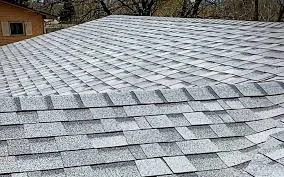
Boulder's $1,375,000 median home values and triple-threat exposure attract storm chasers after every hail event. They arrive within hours, offer same-day contracts, and pressure homeowners to sign. Many are unfamiliar with Boulder's complex code environment. They do not know about CoBECC energy requirements, the 50 percent roof area permit threshold, the engineer letter mandate for material weight changes, or the steep-terrain provisions. They install standard-grade materials on homes that demand triple-threat protection. On a $1.375M home, the difference between a knowledgeable local contractor and a storm chaser shows up in code compliance, warranty integrity, and long-term performance. Mighty Dog Roofing of Downtown Denver is licensed, insured, and experienced with Boulder's entire code environment.
Long-Term Triple-Threat Protection for Boulder
Upgrade to Class 4 + Class A
Hail and fire protection in one material. Insurance discounts of 15 to 28 percent offset the cost. Every hail season proves the investment. The Marshall Fire proved the fire side.
Fire-Harden Your Roof
Screened vents, sealed soffits, noncombustible gutters. The Marshall Fire proved what happens without these components. Boulder's southern neighborhoods and open space grasslands face the same exposure.
Add Waterproof Underlayment in Flood Corridors
Homes near Boulder Creek, Fourmile Canyon Creek, Wonderland Creek, and other drainages benefit from secondary moisture barriers. The 2013 flood proved that water finds every weakness.
Schedule Triple-Threat Inspections
Late March before hail and flood season. Late October before fire and winter season. Document everything for insurance. On $1.375M homes, the inspection that catches a $2,000 repair before it becomes a $15,000 problem pays for itself instantly.
Boulder's triple threat creates a complex insurance landscape. Many policies carry separate deductibles for hail, wind, flood, and wildfire. A two percent hail deductible on a $1,375,000 home is $27,500. Flood insurance through NFIP or private carriers adds a separate policy and deductible. Wildfire provisions have tightened since the Marshall Fire. Class 4 shingles reduce hail premiums 15 to 28 percent. Fire-hardened materials may qualify for wildfire discounts. The EPA ENERGY STAR program recommends R-49 insulation for Climate Zone 5. Review all policies annually before storm and fire season.
Boulder's Seasonal Risk Calendar
Spring (March through April)
Schedule a triple-threat inspection before hail and flood season. Boulder's foothills position means spring storms arrive early. Clean gutters of winter debris.
Summer (May through September)
Combined hail and flash flood season. The 2013 flood happened in September. Peak hail runs April through July. After every storm, photograph indicators from the ground. Check gutters and downspouts after heavy rain.
Fall (October through December)
Wildfire season. Dry grass and wind create ember-driven fire risk. The Marshall Fire hit December 30. Clean gutters of debris, check vent screens, verify soffit integrity. Prepare for winter snow loads.
Winter (January through February)
Heavy, wet snow loads from the foothills. Ice dams on north-facing slopes. Chinook freeze-thaw cycles stress flashing and sealant. Steep hillside homes face concentrated snow accumulation at valleys.
Boulder Neighborhoods Most Exposed to Storm Damage
Chautauqua and Mapleton Hill face steep-terrain wind uplift and foothills-proximity hail. South Boulder and Table Mesa face Marshall Fire-adjacent wildfire exposure. The Boulder Creek corridor (downtown, University Hill, Whittier) faces the highest flash flood risk. North Boulder and Gunbarrel face open-terrain hail exposure. Martin Acres and Baseline face combined hail and drainage exposure. Flagstaff Mountain, Sunshine Canyon, and Boulder Heights face the most extreme terrain, wind, and access challenges.
Frequently Asked Questions: Storm Damage in Boulder, CO
What is Boulder's triple threat?
Hail (800 reports in 2023), flood (2013: $3B, 19,000 homes), and wildfire (Marshall Fire: 1,084 structures). The only city in this series with all three documented.
What should I do after a storm?
Document from the ground. Call for a triple-threat inspection. File your claim. Boulder policies may carry separate deductibles for hail, flood, and wildfire.
How did the 2013 flood affect roofs long-term?
17+ inches in one week. Waterlogged decking, compromised underlayment. Homes near creek corridors still carry lingering moisture damage.
Does Boulder face wildfire?
Yes. Marshall Fire destroyed 1,084 structures miles away. Same dry grass, same wind exposure. Boulder County codes now include ignition-resistant requirements.
How do steep hillside homes affect damage?
Accelerated runoff, concentrated snow, canyon wind uplift. Specialized contractors needed for high-pitch access and repair.
Boulder faces hail, flood, and wildfire on $1.375M homes. All three threats are proven. Protect against all three.
Call Mighty Dog Roofing of Downtown Denver at (720) 702-1572
Visit mightydogroofing.com
Reach us by phone, email, or through our online contact form. We are here to help.
Boulder's triple threat on $1.375M homes makes roof protection the highest-stakes investment in this entire series. Contact Mighty Dog Roofing of Downtown Denver today for your free triple-threat inspection.