
Broomfield is a consolidated city and county of approximately 78,000 residents at 5,344 feet, positioned midway between Denver and Boulder along the US-36 corridor. The city has logged 239 hail reports within 10 miles of the city center, with the largest measuring 3.00 inches. More than 30,921 households across 34 square miles face this exposure every storm season. Broomfield's open terrain, rapid growth, and unique code features shape how storm damage is identified, repaired, and recovered through insurance. Understanding these factors protects your home and your investment.
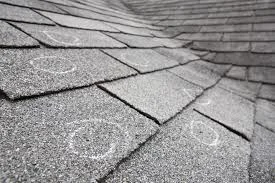
Storm damage on your Broomfield roof? Act now.
Call Mighty Dog Roofing of Downtown Denver at (720) 702-1572 for a free storm damage inspection.
Visit our Broomfield service page or contact us online.
Why Broomfield Gets Hit: The Denver-Boulder Corridor
Storms forming over the foothills west of Boulder track northeast along the US-36 corridor. Broomfield sits in the middle of this path with no natural windbreak. The National Weather Service in Boulder tracks these events. Colorado experienced nearly 800 reports of hail over one inch during the 2023 water year. Reports of baseball-sized hail surged nearly threefold since 2019. The May 2017 supercell caused over $2.3 billion in metro-wide losses. The May 2024 storm caused $1.9 billion in additional damage. At 5,344 feet, thinner air allows hailstones to maintain higher velocity.
Types of Storm Damage on Broomfield Roofs
| Threat | How It Damages Your Roof | Broomfield-Specific Factor |
|---|---|---|
| Hail | Dislodges granules, fractures mat, cracks shingles | 239 reports within 10 miles. Largest: 3 inches. Corridor funnels storms. |
| Wind | Lifts tabs, tears ridge caps, drives rain under gaps | Open terrain between Denver and Boulder. No natural windbreak. |
| UV radiation | Degrades granules, dries asphalt, cracks sealant | 20% more intense at 5,344 ft. 300+ sunny days/year. |
| Thermal cycling | Expands/contracts materials, loosens sealant | 40+ degree daily temperature swings common. |
| Heavy rain | Overwhelms gutters, pools at penetrations | Summer thunderstorms produce intense bursts along the corridor. |
Hail resistance is rated under UL 2218 standards. The U.S. Department of Energy recommends proper ventilation and insulation to reduce moisture stress from thermal cycling.
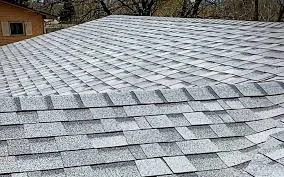
Do not wait for a leak to tell you about storm damage.
Call (720) 702-1572 or visit our Broomfield service page to schedule your free inspection.
Contact us by phone, email, or through our website.
What to Do After a Storm Hits Your Broomfield Home
Step 1: Document Damage from the Ground
Walk your property and photograph every sign of damage. Check gutters, AC units, cars, siding, and interior ceilings. Do not climb on your roof.
Step 2: Call a Licensed Broomfield Contractor
Contact Mighty Dog Roofing of Downtown Denver at (720) 702-1572. We assess damage and provide a written report. Schedule a free inspection at any time.
Step 3: File Your Insurance Claim
The Colorado Division of Insurance provides resources for homeowners. Share your inspection report with the adjuster. Claims must reflect Broomfield's ASTM shingle requirements, the Roof Slope Report, and the 4-inch stagger policy.
Step 4: Meet the Adjuster with Your Contractor
We meet adjusters at your Broomfield property. Claims must reflect the city's specific code requirements. Adjusters using generic metro pricing underestimate Broomfield project costs. The Broomfield Building Division at 303-438-6370 confirms these requirements.
Step 5: Review and Begin Work
Once approved, we review scope and coordinate with your HOA for Architectural Control Committee approval. For full replacements, visit our roof replacement page. Our residential roofing page covers full service details.
Insurance Tips for Broomfield Homeowners
On Broomfield homes valued near $661,000, a two percent wind and hail deductible means roughly $13,200 out of pocket. Review your policy before storm season. Class 4 shingles reduce premiums 15 to 28 percent. Broomfield's unique no-ice-shield policy means your insurer will not include ice protection costs in a standard claim. If you have experienced ice dams and want protection, discuss this with your contractor as a separate upgrade. The EPA ENERGY STAR program recommends R-49 insulation. Products certified by the Cool Roof Rating Council offer tested weather performance.
Avoiding Storm Chasers in Broomfield
Broomfield's 30,921 households and high home values attract storm chasers after every hail event. They fail to meet ASTM D 3161 Class F or D 7158 Class H or G shingle requirements. They skip the Roof Slope Report. They ignore the 4-inch stagger policy. They bypass HOA approvals. Broomfield's final inspection catches code violations, but the homeowner bears the cost of corrections. Mighty Dog Roofing of Downtown Denver is licensed, insured, and local. We handle gutter repair and installation as part of complete projects.
Long-Term Storm Protection Strategy
Upgrade to Class 4 When You Replace
Insurance discounts of 15 to 28 percent offset the cost. With 239 hail reports, the upgrade addresses a documented threat.
Add Optional Ice Protection
Broomfield does not require it, but individual homes with poor ventilation benefit from the voluntary upgrade.
Schedule Annual Inspections
Late March before hail season and late October before winter. Maintain documentation for insurance purposes.
Broomfield Neighborhoods Most Exposed to Storm Damage
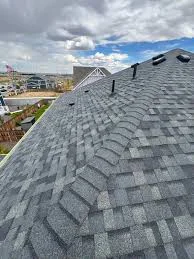
Interlocken and the western Broomfield properties near Rocky Mountain Metropolitan Airport face the most direct foothills storm exposure. Anthem and Broadlands in northern Broomfield sit on higher terrain with greater wind exposure. Northmoor and Broomfield Heights have older roofing systems more vulnerable to cumulative damage. Wildgrass and McKay Landing experience full corridor exposure from the open terrain. Baseline properties face the same corridor storms on newer construction.
Frequently Asked Questions: Storm Damage in Broomfield, CO
How bad is hail in Broomfield?
239 reports within 10 miles. Largest: 3 inches. The Denver-Boulder corridor funnels storms through 34 square miles and 30,921 households.
What should I do after a storm?
Document damage from the ground. Call a licensed contractor. File your claim. Have your contractor present when the adjuster visits.
How do Broomfield's codes affect storm repairs?
Permits required for all re-roofing. ASTM-rated shingles, Roof Slope Report, 4-inch stagger, drip edge, and mid-roof inspection or affidavit. No ice shield required.
Why should I avoid storm chasers?
Broomfield's 30,000+ homes and high values attract them. They skip ASTM requirements, the Roof Slope Report, stagger policies, and HOA approvals.
Does the Denver-Boulder corridor increase exposure?
Yes. Foothills storms track northeast along US-36 directly through Broomfield. No natural windbreak. Open terrain creates multi-directional exposure.
Protect your Broomfield home before the next storm. Get your free inspection today.
Call Mighty Dog Roofing of Downtown Denver at (720) 702-1572
Visit mightydogroofing.com
Reach us by phone, email, or through our online contact form. We are here to help.
Broomfield's 30,921 homes face the Denver-Boulder hail corridor every storm season. Contact Mighty Dog Roofing of Downtown Denver today. We serve every Broomfield neighborhood from Interlocken to Baseline, from Northmoor to Wildgrass.