
Denver is the state capital with 715,000 residents at Mile High elevation in the heart of the Front Range hail corridor. The city's three wind speed zones (115, 125, and 140 mph) affect every storm damage repair and insurance claim. The 2017 supercell caused $2.3 billion in metro-wide insured losses. The May 2024 storm caused $1.9 billion more. Denver's housing stock spans over 150 years from Victorian-era Capitol Hill to modern Central Park. When hail hits at 5,280 feet, the damage varies by neighborhood, by housing era, and by wind zone. Understanding Denver's unique storm exposure, identifying damage, and navigating the three-zone claims process protects your home and your investment.
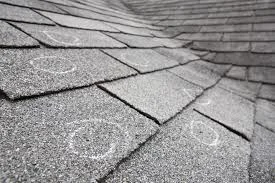
Storm damage on your Denver roof? Act now.
Call Mighty Dog Roofing of Downtown Denver at (720) 702-1572 for a free storm damage inspection with wind zone verification.
Visit our Denver service page or contact us online.
Denver's Storm History: Billions in Documented Losses
The National Weather Service in Boulder tracks storms through the Denver metro. The May 2017 supercell formed over the foothills and tracked northeast through the metro, causing $2.3 billion in insured losses. The May 2024 storm hit Denver neighborhoods directly, producing hail up to 2.75 inches nearby and causing $1.9 billion in metro-wide damage. Colorado saw nearly 800 reports of hail over one inch in 2023. Hail resistance is tested against UL 2218 standards. Denver's position at the junction of foothills weather and plains storms means the city catches events from multiple directions.
Types of Storm Damage Across Denver's Three Zones
| Threat | How It Damages Your Roof | Denver-Specific Factor |
|---|---|---|
| Hail | Dislodges granules, fractures mat, cracks shingles | Mile High. $4.2B in losses from 2017 + 2024 storms alone. |
| Wind (Zone 1, 115 mph) | Lifts tabs, tears ridge caps | East Denver. Capitol Hill, Cherry Creek, Park Hill, Central Park. |
| Wind (Zone 2, 125 mph) | Stronger lift, drives debris | Central Denver. Highland, Berkeley, Sloan Lake, Barnum. |
| Wind (Zone 3, 140 mph) | Maximum lift, Chinook events | West Denver. Harvey Park, Bear Valley, Marston. |
| UV radiation | Degrades granules, dries asphalt | 5,280 ft. 300+ sunny days. 20% more intense than sea level. |
The U.S. Department of Energy recommends proper ventilation and insulation to reduce moisture stress. Products certified by the Cool Roof Rating Council resist UV degradation at altitude.
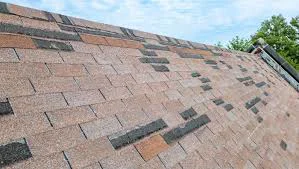
Do not wait for a leak to tell you about storm damage. Your wind zone determines your repair specs.
Call (720) 702-1572 or visit our Denver service page to schedule your free inspection.
Contact us by phone, email, or through our website.
What to Do After a Storm Hits Your Denver Home
Step 1: Document Damage from the Ground
Walk your property and photograph every sign of damage. Check gutters, AC units, cars, siding, and interior ceilings. Do not climb on your roof.
Step 2: Call for a Zone-Verified Inspection
Contact Mighty Dog Roofing at (720) 702-1572. We verify your wind zone (115, 125, or 140 mph) and assess damage. Schedule a free inspection at any time.
Step 3: File Your Insurance Claim
The Colorado Division of Insurance provides resources. Claims must specify zone-rated materials. A Zone 3 claim (140 mph) using Zone 1 pricing (115 mph) underestimates the repair cost.
Step 4: Meet the Adjuster with Your Contractor
We meet adjusters at your Denver property. We verify the correct wind zone, specify zone-rated materials per ASTM D 7158, and ensure the claim reflects the 2025 Denver Building Code requirements. The Denver Community Planning and Development confirms code requirements.
Step 5: e-Permits and Begin Work
We file the permit through Denver's e-permits system when the repair exceeds the 10 percent/two-square threshold. For full replacements, visit our roof replacement page. We handle gutter repair and installation. Our residential roofing page covers complete services.
Three-Zone Insurance: Denver's Unique Claims Challenge
Denver's three wind zones create the most complex storm claims environment in this series. The same hailstorm hitting Denver produces three different repair specifications depending on address. A homeowner in Capitol Hill (Zone 1, 115 mph) needs different shingles than a homeowner in Highland (Zone 2, 125 mph) or Harvey Park (Zone 3, 140 mph). Insurance adjusters visiting from out of state may not know Denver has variable wind zones. They price the entire city at one wind rating. Your contractor must verify the zone and ensure the claim uses the correct ASTM D 7158 rating. Class 4 shingles reduce premiums 15 to 28 percent regardless of zone. The EPA ENERGY STAR program recommends R-49 insulation for Climate Zone 5.
Avoiding Storm Chasers in Denver
Denver's 715,000 residents make it the largest target in the Front Range hail corridor. Storm chasers arrive within hours of every event. They knock on thousands of doors across the city and pressure homeowners into same-day contracts. The three wind zone system is where storm chasers fail Denver homeowners most often. They install Zone 1 materials (115 mph) on Zone 3 homes (140 mph) because Zone 1 products are cheaper. They use standard shingles when the zone demands higher-rated products. They skip asbestos awareness on pre-1980s homes in Capitol Hill, Five Points, and Congress Park. Denver requires licensed contractors. The 2025 Denver Building Code is the city's own document, not a standard ICC adoption with minor amendments. Contractors unfamiliar with Denver's specific code miss the variable wind zones, the conditional mid-roof inspection, the 10 percent/two-square permit threshold, and the asbestos requirements. The result is failed inspections, voided warranties, and homeowner liability. Mighty Dog Roofing of Downtown Denver is licensed, insured, and understands all three wind zones and every Denver-specific code provision.
Long-Term Storm Protection for Denver
Upgrade to Class 4 for Your Wind Zone
The strongest combined hail and wind protection. Insurance discounts of 15 to 28 percent offset the cost. Zone 3 homeowners investing in 140 mph-rated Class 4 get the highest combined ROI.
Verify Your Zone Before Every Project
Your wind zone determines your shingle specification, your claim scope, and your insurance pricing. Properties near Federal Boulevard and Sheridan Boulevard may sit near a zone boundary. Verify every time.
Schedule Annual Inspections
Late March before hail season and late October before winter. Document your roof's condition for insurance baseline comparison. Denver homeowners who photograph their roof annually have stronger claims because they show before-and-after evidence that adjusters need to approve scope.
Denver's Seasonal Storm Risk Calendar
Spring (March through April)
Schedule a professional inspection before hail season. Denver's 300+ sunny days mean UV damage compounds all year. Early spring Chinook events hit Zone 3 hardest.
Summer (May through September)
Peak hail season runs April through July. Both the 2017 and 2024 storms hit in May. After every storm, photograph indicators from the ground. Denver averages intense afternoon thunderstorms throughout summer.
Fall (October through November)
Clean gutters. Check flashing. Verify insulation and ventilation. Fall Chinook events create rapid temperature changes that stress roofing materials, especially in Zone 3.
Winter (December through February)
Watch for ice dams at eaves. Denver does not require ice shield, so adequate insulation and ventilation are essential. Chinook freeze-thaw cycles are strongest in west Denver (Zone 3).
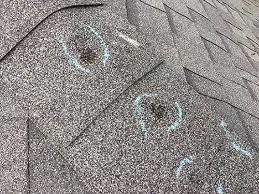
Denver Neighborhoods Most Exposed to Storm Damage
Zone 3 (Harvey Park, Bear Valley, Marston) faces the strongest Chinook wind events and requires 140 mph-rated materials. Zone 2 (Highland, Berkeley, Sloan Lake, Barnum, Mar Lee) faces 125 mph exposure from both Chinook events and northeast-tracking supercells. Zone 1 (Capitol Hill, Cherry Creek, Washington Park, Park Hill, Central Park, Green Valley Ranch, Montbello) faces 115 mph exposure from northeast storms. Victorian and early 1900s homes in Zone 1 face compounded vulnerability from aging materials on the city's oldest housing stock. Newer homes in Central Park and Green Valley Ranch face builder-grade material vulnerability on the city's newest stock. Every Denver neighborhood has a storm exposure story.
Frequently Asked Questions: Storm Damage in Denver, CO
How do three wind zones affect claims?
Zone 1 (115 mph), Zone 2 (125 mph), Zone 3 (140 mph). Claims must specify zone-rated materials. Adjusters unfamiliar with variable zones underprice Zone 2 and Zone 3.
What should I do after a storm?
Document from the ground. Call for a zone-verified inspection. File your claim. Have your contractor verify the zone and ensure the claim specifies correct materials.
How bad were the 2017 and 2024 storms?
$2.3 billion (2017) + $1.9 billion (2024). Both in May. Both produced baseball-sized hail. $4.2 billion in combined losses.
Why do storm chasers fail Denver homeowners?
Three wind zones. Storm chasers install Zone 1 materials on Zone 3 homes. They skip asbestos awareness on pre-1980s homes. Failed inspections and voided warranties result.
What storm damage is most common in Denver?
Hail at Mile High. Wind varies by zone (Zone 3 strongest). UV from 300+ sunny days. Thermal cycling from daily temperature swings. Summer thunderstorms overwhelm gutters.
Denver's three wind zones, 715,000 residents, and the Front Range hail corridor. Know your zone. Protect your home.
Call Mighty Dog Roofing of Downtown Denver at (720) 702-1572
Visit mightydogroofing.com
Reach us by phone, email, or through our online contact form. We are here to help.
Denver's storm exposure varies by wind zone, by neighborhood, and by housing era. Contact Mighty Dog Roofing of Downtown Denver today for your free inspection with wind zone verification. We serve every Denver neighborhood across all three zones.