

Littleton sits at 5,351 feet in the South Platte River corridor, the Arapahoe County seat spanning three counties with approximately 45,652 residents and 21,476 housing units. The South Platte valley funnels foothills storms northeast through the city, putting every home in the hail corridor. Littleton's newly adopted 2024 International Codes govern how storm damage is repaired: one-layer maximum, underlayment-stage mid-roof inspection, mandatory ice barrier, drip edge, flush fasteners, and complete vent flashing replacement. Understanding the threats, identifying damage, and recovering under these specific codes protects your home and your investment.
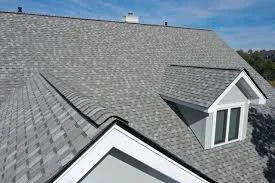
Storm damage on your Littleton roof? Act now.
Call Mighty Dog Roofing of Downtown Denver at (720) 702-1572 for a free storm damage inspection.
Visit our Littleton service page or contact us online.
Why Littleton Gets Hit: The South Platte Hail Corridor
Storms forming over the Continental Divide descend through the foothills and track northeast along the South Platte River valley. Littleton sits directly in this path. The National Weather Service in Boulder tracks these events. Colorado experienced nearly 800 reports of hail over one inch during the 2023 water year. Reports of baseball-sized hail surged nearly threefold since 2019. The May 2017 supercell caused over $2.3 billion in metro-wide losses. The May 2024 storm caused $1.9 billion in additional damage. At 5,351 feet, thinner air allows hailstones to maintain higher velocity, increasing impact force on Littleton roofs.
Types of Storm Damage on Littleton Roofs
| Threat | How It Damages Your Roof | Littleton-Specific Factor |
|---|---|---|
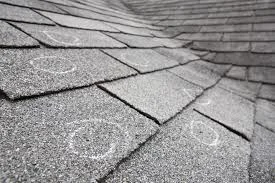
| Hail | Dislodges granules, fractures mat, cracks shingles | South Platte corridor channels foothills storms through 21,000+ homes. |
| Wind | Lifts tabs, tears ridge caps, drives rain under gaps | Platte valley wind corridor. 105 mph minimum design speed. |
| Ice dams | Meltwater seeps under shingles at eaves | 5,351 ft elevation = more freeze-thaw cycles than lower cities. |
| UV radiation | Degrades granules, dries asphalt, cracks sealant | 20% more intense at elevation. 300+ sunny days/year. |
| Heavy rain | Overwhelms gutters, pools at penetrations | Summer thunderstorms produce intense bursts along the Platte. |
Hail resistance is rated under UL 2218 standards. The U.S. Department of Energy recommends R-49 insulation and proper ventilation to prevent ice dam formation.
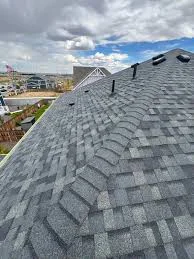
Do not wait for a leak to tell you about storm damage.
Call (720) 702-1572 or visit our Littleton service page to schedule your free inspection.
Contact us by phone, email, or through our website.
What to Do After a Storm Hits Your Littleton Home
Step 1: Document Damage from the Ground
Walk your property and photograph every sign of damage. Check gutters, AC units, cars, siding, and interior ceilings. Do not climb on your roof.
Step 2: Call a Licensed Littleton Contractor
Contact Mighty Dog Roofing of Downtown Denver at (720) 702-1572. We assess damage, determine whether the scope exceeds the 100 square foot permit threshold, and provide a written report. Schedule a free inspection at any time.
Step 3: File Your Insurance Claim
The Colorado Division of Insurance provides resources for homeowners. Share your inspection report with the adjuster. Claims must reflect Littleton's 2024 code requirements: one-layer tear-off, underlayment inspection, ice barrier, drip edge, flush fasteners, and complete vent flashing replacement.
Step 4: Meet the Adjuster with Your Contractor
We meet adjusters at your Littleton property. Claims must reflect the 2024 code specifications. Adjusters using pricing from less strict cities underestimate Littleton project costs. Our documentation includes Littleton-specific code requirements for each line item.
Step 5: Review and Begin Work
Once approved, we review scope, identify supplementals, and schedule work. For full replacements, visit our roof replacement page. Our residential roofing page covers full service details.
Insurance Tips for Littleton Homeowners
On Littleton homes valued near $597,000, a two percent wind and hail deductible means roughly $11,900 out of pocket. Claims must reflect the one-layer tear-off, underlayment inspection, and complete vent flashing replacement. Class 4 shingles reduce premiums 15 to 28 percent. The Littleton Building Division at 303-795-3700 confirms code requirements for any adjuster. The EPA ENERGY STAR program recommends R-49 insulation for this climate zone. Products certified by the Cool Roof Rating Council offer tested weather performance at altitude.
Avoiding Storm Chasers in Littleton
Littleton's 21,476 housing units and recurring hail exposure attract storm chasers after every event. They skip the underlayment-stage mid-roof inspection. They use overdriven fasteners (failing Littleton's flush requirement). They reuse damaged vent flashing (violating the replacement mandate). They leave before problems surface. Littleton's unique inspection at the underlayment stage catches these issues before shingles cover them. Mighty Dog Roofing of Downtown Denver is licensed, insured, and local. We also handle gutter repair and installation.
Long-Term Storm Protection Strategy for Littleton
Upgrade to Class 4 When You Replace
If storm damage triggers replacement, upgrade to Class 4 impact-resistant shingles. Insurance discounts of 15 to 28 percent offset the cost within four to eight years.
Fix Ventilation and Insulation
Proper ventilation eliminates ice dams and extends shingle life three to five years. R-49 insulation saves $200 to $500 per year at elevation.
Schedule Annual Inspections
Late March (before hail season) and late October (before winter). Maintain documentation for insurance purposes.
Littleton Neighborhoods Most Exposed to Storm Damage
South Platte corridor properties near the Mary Carter Greenway face the highest combined hail and wind exposure. Homes near Chatfield Reservoir and along C-470 sit on elevated terrain exposed to wind. Historic Downtown/Main Street area homes have older roofing systems more vulnerable to cumulative storm damage. Ketring Park, Progress Park, Heritage, and Windermere neighborhoods take direct hits from foothills storms tracking northeast through the Platte valley.
Frequently Asked Questions: Storm Damage in Littleton, CO
Why is Littleton in the hail corridor?
The South Platte valley channels foothills storms northeast through the city. Colorado recorded nearly 800 reports of hail over one inch in 2023. The 2017 and 2024 storms caused billions in metro-wide damage.
What should I do after a storm?
Document damage from the ground. Call a licensed contractor. File your claim. Have your contractor present for the adjuster visit to ensure 2024 code requirements are reflected.
How do Littleton's 2024 codes affect storm repairs?
One-layer max (full tear-off), underlayment-stage mid-roof inspection, ice barrier, drip edge, flush fasteners, and complete vent flashing replacement. All increase repair scope and cost.
Why should I avoid storm chasers?
Littleton's 21,000+ housing units attract out-of-state contractors who skip inspections, use overdriven fasteners, and reuse damaged flashing. The mid-roof inspection catches these issues.
How does the South Platte affect storm damage?
The river valley creates a wind corridor. Homes near the Platte, Chatfield, and elevated terrain near C-470 face the highest exposure.
Protect your Littleton home before the next storm. Get your free inspection today.
Call Mighty Dog Roofing of Downtown Denver at (720) 702-1572
Visit mightydogroofing.com
Reach us by phone, email, or through our online contact form. We are here to help.
Littleton's 21,476 homes face the South Platte hail corridor every storm season. The homeowners who fare best inspect regularly and work with a contractor who meets the 2024 codes. Contact Mighty Dog Roofing of Downtown Denver today. We serve every Littleton neighborhood from Historic Downtown to Chatfield.