
Louisville faces a dual threat no other city in this series shares. On December 30, 2021, the Marshall Fire destroyed 553 homes and damaged 45 others in this Boulder County city of 21,000 residents. Colorado's most destructive wildfire moved through dry grass on 100+ mph winds, spreading structure to structure through ember cast. Every hail season, Louisville also sits in the Front Range corridor along the Denver-Boulder US-36 route. The city's 2024 ICC codes with a 115 mph wind speed rating reflect both threats. Understanding this dual exposure, identifying damage from fire and hail, and recovering under post-Marshall Fire standards protects your home and your investment.
Storm or fire damage on your Louisville roof? Act now.
Call Mighty Dog Roofing of Downtown Denver at (720) 702-1572 for a free dual-threat inspection.
Visit our service page or contact us online.
The Marshall Fire: Louisville's Wildfire Reality
The Marshall Fire ignited on December 30, 2021, near Marshall Road. Wind gusts exceeded 100 mph, driving the fire through dry grass and into Louisville's suburban neighborhoods. The fire burned 6,080 acres across Louisville, Superior, and unincorporated Boulder County. In Louisville alone, 553 homes were destroyed and 45 were damaged. Over 21,000 residents were evacuated. The fire caused over $2 billion in total insured losses.
Research found that 90 percent of suburban fire ignitions come from ember cast. In Louisville, embers traveled on 100+ mph winds and ignited roofs through attic vents without ember-resistant screening, gutters filled with debris, gaps between soffits and walls, and wood fences running up to structures. The fire spread through dry grass, not traditional forest fuels. Suburban neighborhoods burned because roofs were not hardened against embers.
Front Range Hail: Louisville's Other Threat
The National Weather Service in Boulder (located just miles from Louisville) tracks storms through the US-36 corridor. Colorado saw nearly 800 reports of hail over one inch in 2023. The May 2024 storm caused $1.9 billion in metro-wide damage. Hail resistance is tested against UL 2218 standards.
Types of Damage on Louisville Roofs
| Threat | How It Damages Your Roof | Louisville-Specific Factor |
|---|---|---|
| Wildfire embers | Ignite through vents, gutters, soffits, gaps | 553 homes destroyed. 90% from ember cast. |
| Radiant heat | Degrades granules, dries adhesive, weakens underlayment | Surviving homes near fire perimeter affected. |
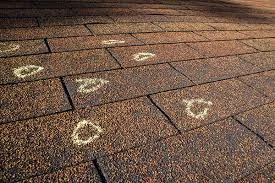
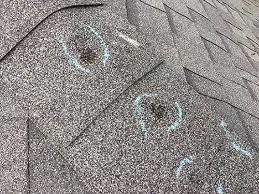
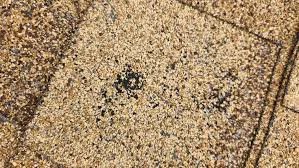
| Hail | Dislodges granules, fractures mat, cracks shingles | US-36 Front Range corridor. 800 reports in 2023. |
| Wind (100+ mph) | Lifts sections, tears ridge caps, drives debris | Marshall Fire proved 100+ mph. 115 mph code rating. |
| UV radiation | Degrades granules, dries asphalt, cracks sealant | 5,335 ft elevation. 20% more intense than sea level. |
The U.S. Department of Energy recommends proper ventilation and insulation to reduce moisture stress and heat transfer. Products certified by the Cool Roof Rating Council resist UV degradation at altitude.
Do not wait for a leak or a fire to expose vulnerabilities.
Call (720) 702-1572 or visit our service page to schedule your free dual-threat inspection.
Contact us by phone, email, or through our website.
What to Do After a Storm or Fire Event in Louisville
Step 1: Document Damage from the Ground
Walk your property. Photograph shingles, vents, soffits, gutters, and interior ceilings. Check for ember entry points (charred debris in gutters, melted vent screens, scorch marks on soffits). Do not climb on your roof.
Step 2: Call for a Dual-Threat Inspection
Contact Mighty Dog Roofing at (720) 702-1572. We assess both hail damage indicators and fire/heat exposure. Schedule a free inspection at any time.
Step 3: File Your Insurance Claim
The Colorado Division of Insurance provides resources. Louisville's post-Marshall Fire insurance landscape includes wildfire-specific provisions.
Step 4: Meet the Adjuster
We meet adjusters at your Louisville property. Claims must reflect Louisville's 2024 ICC codes, 115 mph wind rating, and dual-threat material needs. The Louisville Building Safety Division at (303) 335-4584 confirms code requirements.
Step 5: Repair or Replace
We file the permit and schedule the work. For full replacements, visit our roof replacement page. We handle gutter repair and installation with fire-resistant materials. Our residential roofing page covers complete services.
Insurance in Post-Marshall Fire Louisville
The Marshall Fire caused over $2 billion in insured losses. Many Louisville policies now include wildfire provisions, higher deductibles, and adjusted coverage. Class 4 shingles reduce hail premiums 15 to 28 percent. Fire-hardened materials may qualify for additional wildfire discounts. The EPA ENERGY STAR program recommends R-49 insulation for Climate Zone 5. Review your policy annually.
Long-Term Protection for Louisville
Fire-Harden Your Roof
Screened vents, sealed soffits, fire-rated materials, noncombustible gutters. The Marshall Fire proved what happens without these upgrades.
Upgrade to Class 4 + Class A
Dual-threat shingles resist both the highest hail impact and the most severe fire exposure.
Schedule Dual-Threat Inspections
Late March before hail season. Late October before fire season (dry fall grass + wind events). Document everything for insurance.
Louisville Neighborhoods We Serve
We serve all of Louisville: Historic Downtown, Via Appia area, Coal Creek neighborhoods, the Monarch High School area, McCaslin Boulevard corridor, the US-36 corridor, Marshall Fire-affected neighborhoods, Louisville Rebuilds properties, and all surrounding areas.
Frequently Asked Questions: Storm and Fire Damage in Louisville, CO
How did the Marshall Fire damage Louisville?
553 homes destroyed, 45 damaged. 21,000 evacuated. 100+ mph winds. Ember-driven, not forest fire. $2+ billion total. Spread through attic vents, gutters, soffits.
What should I do after damage?
Document from the ground. Call for a dual-threat inspection. File your claim. Louisville's post-Marshall Fire insurance includes wildfire provisions.
Does Louisville face hail too?
Yes. US-36 Front Range corridor. 800 reports over one inch in 2023. The only city in this series with documented dual wildfire and hail threat.
How do I protect against both threats?
Class 4 + Class A shingles. Screened vents. Sealed soffits. Noncombustible gutters. R-49 insulation. Creates a defensible roof zone.
Are insurance rates affected by the Marshall Fire?
Yes. $2+ billion in losses changed the market. Wildfire provisions, higher deductibles, adjusted coverage. Class 4 and fire-hardening may reduce premiums.
Louisville faces wildfire and hail. Both threats are proven. Protect your home against both.
Call Mighty Dog Roofing of Downtown Denver at (720) 702-1572
Visit mightydogroofing.com
Reach us by phone, email, or through our online contact form. We are here to help.
Louisville's dual wildfire and hail exposure makes roof protection more critical here than anywhere else in this series. The Marshall Fire proved the wildfire threat. Every storm season proves the hail threat. Contact Mighty Dog Roofing of Downtown Denver today for your free dual-threat inspection.