
Boulder is the county seat of Boulder County with 108,250 residents at the base of the Flatirons, 25 miles northwest of Denver. The city sits at 5,430 feet elevation where the Rocky Mountains meet the Great Plains. Boulder is home to the University of Colorado (28,000+ students), the Pearl Street Mall, Chautauqua Park (a National Historic Landmark), and a world-renowned research community. With a median single-family home price of $1,375,000 in 2024, Boulder homeowners protect the most valuable residential properties in the metro area. Boulder is the only city in this series facing a documented triple threat: Front Range hail every season, the catastrophic 2013 Great Flood ($3 billion in damage with Boulder County as the epicenter), and proximity to the 2021 Marshall Fire (1,084 structures destroyed in adjacent Louisville and Superior). Boulder is transitioning from 2018 ICC codes to 2024 ICC codes effective August 1, 2025, with local amendments for energy efficiency, sustainability, and ignition-resistant construction.
Need roof repair in Boulder, CO?
Call Mighty Dog Roofing of Downtown Denver at (720) 702-1572 for a free inspection.
You can also reach us online at mightydogroofing.com
Boulder's Triple Threat: Hail, Flood, and Wildfire
Front Range Hail Along the Foothills Transition
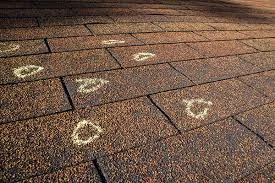
Boulder sits at the base of the Flatirons where storms form and intensify. The National Weather Service in Boulder (headquartered in the city) tracks these events from one of the closest positions of any weather office in the country. Colorado saw nearly 800 reports of hail over one inch in 2023. The May 2024 storm caused $1.9 billion in metro-wide damage. Hail dislodges granules, fractures the fiberglass mat, and creates soft spots that develop into leaks. The UL 2218 standard rates Class 4 at the highest hail resistance.
The 2013 Great Flood: Boulder County Epicenter
In September 2013, over 17 inches of rain fell on Boulder County in one week. Boulder Creek overflowed, submerging neighborhoods, destroying bridges, and isolating mountain communities. Nearly 19,000 homes were damaged and over 1,500 were destroyed across the region. The event caused $3 billion in repair costs. Roofs near Boulder Creek, Fourmile Canyon Creek, Bear Creek, and other drainage corridors absorbed saturation damage. Waterlogged decking, compromised underlayment, and moisture trapped beneath shingles reduced the remaining life of roofs across the city. Flash flood season runs May through September, and Boulder's foothills terrain funnels water rapidly through the city.
Marshall Fire Proximity: Wildfire Reaches the Suburbs
On December 30, 2021, the Marshall Fire destroyed 1,084 structures in adjacent Louisville and Superior, just miles from Boulder's southern neighborhoods. Wind gusts exceeded 100 mph. The fire demonstrated that wildfire is not limited to mountain communities. Boulder's open space network, dry grasslands, and foothills-adjacent neighborhoods face the same ember-driven fire risk. The U.S. Department of Energy recommends proper ventilation and insulation to reduce heat transfer during fire events.
Common Roof Repair Problems in Boulder
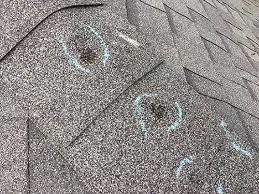
Hail Damage on $1.375 Million Homes
Boulder's median single-family home price of $1,375,000 means a two percent hail deductible costs roughly $27,500 out of pocket. At this property value, the difference between a proactive repair and a neglected one compounds fast. Hail damage left unaddressed for one season allows moisture intrusion that damages decking, insulation, and interior finishes. A $2,000 repair becomes a $15,000 problem. Products certified by the Cool Roof Rating Council resist UV degradation at Boulder's altitude.
Flood and Moisture Damage in Creek Corridors
Boulder's terrain funnels water through the city. Homes near Boulder Creek, Fourmile Canyon Creek, Wonderland Creek, Skunk Creek, and Bear Creek face elevated moisture exposure. The 2013 flood left standing water against foundations and saturated attics in low-lying areas. Even homes above the floodplain face splash-up damage, driven rain, and gutter overflow during intense events. Flash flood season (May through September) overlaps with hail season, meaning roofs take combined punishment.
Steep Terrain and Foothills Proximity
Boulder homes on Flagstaff Mountain, Sunshine Canyon, Mapleton Hill, and the Chautauqua area sit on steep terrain with roof pitches that exceed standard slopes. These roofs face accelerated water runoff, concentrated snow loads at valleys and transitions, and wind uplift from canyon drafts. Repairs on steep-slope Boulder homes require specialized safety equipment and experience with high-pitch installations.
Spotted damage on your Boulder roof? Do not wait on a $1.375M home.
Call (720) 702-1572 or visit our Boulder service page to schedule your free roof inspection.
We also respond to email and online contact forms on our website.
Boulder's Building Codes: Transitioning to 2024 ICC
The City of Boulder Building Division handles all permits and inspections. Boulder is transitioning from 2018 ICC codes to 2024 ICC codes effective August 1, 2025. The 2024 City of Boulder Energy Conservation Code (CoBECC) went into effect December 1, 2024.
| Requirement | Boulder Specification | Why It Matters |
|---|---|---|
| Code base | 2018 ICC (transitioning to 2024 ICC Aug 1, 2025) | Most current codes in CO |
| Energy code | 2024 CoBECC (effective Dec 1, 2024) | Boulder-specific energy conservation |
| Permit threshold | Required for re-roofing above thresholds | 50%+ of roof area triggers major project |
| Engineer letter | Required for material weight changes | Asphalt to tile requires structural review |
| Ignition resistance | Local amendments for wildfire zones | Marshall Fire lessons applied |
| Sustainability | Local amendments for energy efficiency | Boulder leads on green building |
| Steep terrain | Geologic hazard review may be required | Hillside homes near foothills |
| Roof inspection guide | Available from Building Division | City-specific inspection requirements |
Boulder's code environment is the most comprehensive in the campaign. The combination of energy conservation (CoBECC), ignition-resistant construction amendments, geologic hazard provisions, and the transition to 2024 ICC codes creates requirements that differ from every other city in this series. Contractors unfamiliar with Boulder's amendments underestimate project scope.
What to Expect During a Roof Repair in Boulder
Step 1: Free Inspection with Triple-Threat Assessment
We perform a comprehensive roof inspection. In Boulder, we assess hail indicators, moisture damage from flood and drainage exposure, and fire vulnerability (screened vents, soffits, gutters). On hillside homes, we evaluate steep-slope conditions and drainage patterns.
Step 2: Estimate with Boulder Code Specifications
We deliver a detailed estimate reflecting Boulder's current codes, CoBECC energy requirements, and any local amendments that apply to your property. Visit our residential roofing page for service details. We also assess whether your repair triggers the 50 percent threshold requiring a building permit.
Step 3: Permit (if Required), Repair, and Inspection
We file the permit when required. We complete repairs to manufacturer specifications using materials appropriate for Boulder's triple-threat exposure. On steep-slope homes, we use specialized safety equipment and high-pitch installation techniques. You receive all documentation including photographs and material warranties. We handle gutter repair and installation and full replacements when repairs are extensive.
Insurance Claims for Boulder Roof Repair
The Colorado Division of Insurance provides resources for homeowners. On Boulder homes valued at $1,375,000, a two percent deductible means roughly $27,500 out of pocket. Boulder's triple-threat exposure (hail, flood, wildfire) means many policies carry separate deductibles for each peril. Review your policy before storm season. Class 4 shingles reduce hail premiums 15 to 28 percent. Fire-hardened materials may qualify for wildfire discounts. The EPA ENERGY STAR program recommends R-49 insulation for Climate Zone 5.
Seasonal Maintenance for Boulder Roofs
Spring (March through April)
Schedule a professional inspection before hail season. Clean gutters. Document your roof's condition with photographs for insurance baseline. Boulder's foothills position means spring storms arrive early and intensely.
Summer (May through September)
This is Boulder's combined hail and flash flood season. After storms, photograph indicators from the ground. Check gutters and downspouts for blockage after heavy rain. The 2013 flood happened in September. Boulder's flash flood risk runs the full summer window.
Fall (October through December)
Fall is wildfire season in Boulder County. Dry grass and wind create ember-driven fire risk. The Marshall Fire hit on December 30. Clean gutters of debris, check vent screens, and verify soffit integrity. Also prepare for winter snow loads.
Winter (January through February)
Boulder's foothills position creates heavy, wet snow loads. Watch for ice dams at eaves, especially on north-facing slopes. Chinook events create rapid freeze-thaw cycles that stress flashing and sealant. Contact a professional if water stains appear after a thaw.
Boulder Neighborhoods We Serve
We provide roof repair across all of Boulder: Chautauqua, Mapleton Hill, University Hill, Whittier, Pearl Street area, Martin Acres, Table Mesa, Gunbarrel, North Boulder, South Boulder, Newlands, Panorama Heights, Baseline, the CU campus area, Boulder Creek corridor, and all foothills-adjacent neighborhoods. We serve both flat-terrain homes in east Boulder and steep-slope properties near the Flatirons. Visit our Boulder service page for more information.
Frequently Asked Questions: Roof Repair in Boulder, CO
How much does roof repair cost in Boulder?
Minor repairs: $500 to $2,200. Larger repairs: $2,200 to $7,500. Boulder's energy codes, steep terrain, and engineer requirements increase complexity versus other metro cities.
Does Boulder face hail, flood, and wildfire?
Yes. The only city in this series with a documented triple threat. 2013 flood ($3B), Marshall Fire (1,084 structures), and Front Range hail every season.
What codes does Boulder follow?
2018 ICC (transitioning to 2024 ICC Aug 1, 2025). 2024 CoBECC energy code. Local amendments for sustainability, ignition resistance, and steep terrain. Roof Inspection Guide available.
How did the 2013 flood affect roofs?
17+ inches of rain in one week. 19,000 homes damaged. Waterlogged decking, compromised underlayment, trapped moisture. Boulder Creek corridor hardest hit. Flash flood season May through September.
Why are Boulder repairs more expensive?
$1,375,000 median homes. Energy code compliance. Steep terrain. Engineer letters for material changes. The most complex code environment in the campaign.
Your Boulder home faces hail, flood, and wildfire. On a $1.375M investment, the roof is your first line of defense.
Call Mighty Dog Roofing of Downtown Denver at (720) 702-1572
Visit us at mightydogroofing.com
We are ready to help by phone, email, or through our online contact form.
Boulder's triple threat and $1.375M median home values make roof protection the highest-stakes investment in this entire series. Contact Mighty Dog Roofing of Downtown Denver today for your free roof inspection.