
Lafayette already has the most protective baseline roofing standard in this series: mandatory Class 4 impact-resistant shingles since March 15, 2021. In other cities, the primary upgrade is from standard to Class 4. In Lafayette, that upgrade is already built into code. The upgrades that matter in Lafayette go beyond hail protection: fire-hardening for Marshall Fire exposure, R-49 insulation for Climate Zone 5, modern ventilation for balanced airflow, extended ice shield beyond code-minimum eaves, and premium Class 4 products with longer warranties. When you are already replacing your roof with mandatory Class 4, these additional upgrades create the strongest, most energy-efficient, and most fire-resistant roof system on the Front Range.
.jpg.webp)
Thinking about upgrading your Lafayette roof beyond Class 4?
Call Mighty Dog Roofing of Downtown Denver at (720) 702-1572 for a free consultation.
Visit our inspection page or reach out online.
Lafayette's Baseline vs. Full Upgrade
| Component | Lafayette Code Baseline | Full Upgrade |
|---|---|---|
| Shingles | Class 4 (mandatory) | Premium Class 4 or metal |
| Fire protection | Class A (comes with Class 4) | Full fire-hardening package |
| Ice shield | Required at eaves | Extended to valleys + transitions |
| Ventilation | Code minimum | Continuous ridge + soffit + baffles |
| Insulation | Not addressed | R-49 (ENERGY STAR) |
| Gutters | Existing reused | 6-inch metal with noncombustible guards |
| Attic vents | Standard | 1/8-inch ember-resistant screen |
| Soffits | Existing condition | Fire-rated, sealed, no gaps |
| Insurance | 15-28% discount (automatic) | Same + potential wildfire discount |
Fire-Hardening: The Marshall Fire Lesson Applied to Lafayette
The December 2021 Marshall Fire destroyed 1,084 structures in adjacent Louisville and Superior on 100+ mph winds. Lafayette evacuated sections of the city. The fire spread through dry grass. Research shows 90 percent of suburban fire ignitions come from embers entering through attic vents, debris-filled gutters, and gaps in soffits. Lafayette's mandatory Class 4 shingles already carry Class A fire rating. The UL 2218 impact test that defines Class 4 also verifies material integrity under extreme conditions. Fire-hardening closes the remaining entry points that ember-driven fires exploit.
Screening attic vents with 1/8-inch mesh costs $200 to $600. This prevents embers from entering the attic space where they ignite insulation, framing, and stored materials. Sealing or replacing soffits with fire-rated materials costs $400 to $1,200. Vinyl soffits melt and create openings for embers. Fire-rated aluminum or fiber cement soffits maintain their integrity. Installing noncombustible gutter guards with metal gutters costs $800 to $2,000. Leaf debris in gutters is the number one ember ignition point on suburban homes. The combined fire-hardening package costs $1,400 to $3,800. The Colorado Division of Insurance provides information on wildfire-related coverage. The National Weather Service in Boulder monitors conditions that create fire weather across the Front Range.
Best Time to Upgrade a Lafayette Roof
The ideal upgrade window runs from late March through early November. Late spring completes work before peak hail season. Fall protects before wildfire and winter seasons. Since Lafayette already requires Class 4, the timing question focuses on when to add fire-hardening, insulation, and ventilation. The answer: during your next replacement. Adding these components during a tear-off is dramatically cheaper than installing them as standalone projects later. The ridge slot for continuous vent is cut while the roof is stripped. The ice shield is extended before shingles go on. The baffles are installed from above before the deck is closed. Every upgrade is most cost-effective during the replacement window.
.jpg.webp)
Want to know which upgrades build on Lafayette's Class 4 baseline?
Call (720) 702-1572 or visit our inspection page for a free assessment.
We are available by phone, email, and through our online contact form.
R-49 Insulation and Extended Ice Shield
The EPA ENERGY STAR program recommends R-49 for Climate Zone 5. Many Lafayette homes have R-19 to R-30. Upgrading costs $1,500 to $3,000 and saves $200 to $500 per year. Lafayette's mandatory ice shield protects eaves from water intrusion. R-49 insulation addresses the root cause of ice dams: heat transfer from the living space melts snow on the roof, which refreezes at the cold eave. Combined, mandatory ice shield and R-49 insulation create the strongest ice dam defense at 5,220 feet.
Extending ice shield beyond code-minimum eaves to valleys, sidewall transitions, and chimney bases costs $300 to $700. This extended coverage catches wind-driven rain and snowmelt at every vulnerable transition point. The U.S. Department of Energy recommends pairing insulation with ventilation improvements for maximum performance. Products certified by the Cool Roof Rating Council complement the thermal upgrade at altitude.
Ventilation Upgrades
Upgrading from box vents to continuous ridge vent with soffit intake and rafter baffles costs $500 to $1,500 and extends roof life three to five years. Balanced airflow reduces the summer attic temperatures that bake shingles from below (even Class 4 shingles benefit from cooler attic conditions). In winter, proper ventilation eliminates the warm-attic conditions that drive ice dam formation. The upgrade is most cost-effective during a replacement because the ridge slot is cut while the roof is already stripped. We handle gutter repair and installation with fire-resistant materials. Visit our residential roofing page for details. Schedule a free inspection to assess your ventilation. Our replacement page covers material options.
ROI Timeline for Lafayette Upgrades
Fire-Hardening Package
$1,400 to $3,800. Prevents catastrophic loss from Marshall Fire-type events. The ROI is measured in whether your home survives the next fire. The Marshall Fire destroyed $229 million in residential property in Louisville alone.
R-49 Insulation
$1,500 to $3,000. Saves $200 to $500/year. Payback: three to seven years. Immediate comfort improvement. Addresses ice dam root cause alongside mandatory ice shield.
Ventilation
$500 to $1,500. Extends roof life three to five years. Reduces summer cooling costs. Eliminates ice dam conditions.
Extended Ice Shield
$300 to $700. Prevents repairs averaging $1,500 to $4,000 per ice dam event at valleys and transitions. Payback on first prevented event.
Premium Class 4 Options Beyond the Baseline
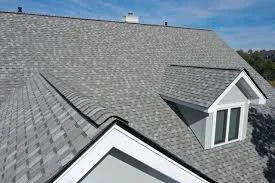
Lafayette's code requires Class 4 minimum. But within Class 4, there is a wide range of products. Standard Class 4 laminated architectural shingles meet code at the lowest cost. Premium Class 4 designer shingles offer enhanced aesthetics that mimic slate, shake, or tile at $14,000 to $27,000. These products carry 40- to 50-year warranties compared to 25 to 30 years for standard Class 4. Standing seam metal exceeds Class 4 standards entirely and provides the longest lifespan at $16,000 to $32,000. Synthetic composite materials with Class 4 certification offer lightweight alternatives at $13,000 to $25,000. All premium options qualify for the same 15 to 28 percent insurance discount because they meet or exceed the Class 4 requirement. The choice between standard and premium Class 4 is a longevity and aesthetics decision, not a code compliance decision.
Lafayette Neighborhoods Where Upgrades Deliver the Most Value
South Lafayette and the Coal Creek corridor benefit most from fire-hardening due to Marshall Fire-adjacent grassland exposure. These neighborhoods face the same dry fuel, wind patterns, and ember pathways that destroyed structures miles away. Old Town Lafayette benefits from ventilation and insulation upgrades on older housing stock from the mining era, where original ventilation systems are inadequate by modern standards and attic insulation may be R-11 or less. Indian Peaks benefits from extended ice shield on complex roof geometries with multiple valleys and dormers. The Waneka Lake area benefits from moisture management upgrades near the water feature where humidity affects roof components differently than drier neighborhoods. The Baseline corridor and US-287 corridor benefit from the complete package: fire-hardening, R-49, ventilation, and extended ice shield. Every Lafayette neighborhood starts with the Class 4 baseline. The upgrades build on that foundation to create the most protected roof system on the Front Range.
Frequently Asked Questions: Roof Upgrades in Lafayette, CO
If Class 4 is already required, what upgrades are left?
Fire-hardening ($1,400-$3,800), R-49 insulation ($1,500-$3,000), ventilation ($500-$1,500), extended ice shield ($300-$700), and premium Class 4 options with longer warranties.
Should I fire-harden after the Marshall Fire?
Yes. 1,084 structures destroyed adjacent. Same grassland exposure. Class 4 carries Class A by default. Fire-hardening closes vents, soffits, and gutters.
Is R-49 worth it?
Yes. $200 to $500/year savings. Addresses ice dam root cause. Works with mandatory ice shield. Payback: three to seven years.
What premium Class 4 options exist?
Designer shingles (up to 50-year warranty), standing seam metal (exceeds Class 4), synthetic composite. All qualify for the same insurance discount.
What is the ROI timeline?
Fire-hardening: prevents catastrophic loss. Insulation: $200-$500/year. Ventilation: extends life 3-5 years. Class 4 discount already in your baseline.
Lafayette's Class 4 baseline is the strongest start in this series. Build on it with fire-hardening, R-49, and ventilation.
Call Mighty Dog Roofing of Downtown Denver at (720) 702-1572
Visit mightydogroofing.com for more information.
Contact us by phone, email, or through our online form.
Lafayette already requires Class 4. The upgrades that matter now are fire-hardening, insulation, and ventilation. Contact Mighty Dog Roofing of Downtown Denver today.