
Contractors across the industry claim their products cut utility costs. Reality tells a different story. The modifications that genuinely shrink your monthly bills require specific conditions and skilled installation to perform as advertised. This guide offers Chester County homeowners a straightforward assessment of worthwhile investments—and what actually delivers quantifiable results. Mighty Dog Roofing has inspected countless properties throughout the region, giving us firsthand knowledge of what succeeds.
How Your Exterior Affects Your Energy Bills
Where Heat Actually Escapes a Home
The roof assembly—specifically your attic space and ventilation configuration—creates the most significant thermal vulnerability in most houses. Wall systems and siding allow heat transfer through structural framing, a problem that continuous insulation addresses directly. Windows and doors present dual challenges: gaps around frames permit air infiltration while glass surfaces conduct thermal transfer. Recognizing these loss points guides smarter decision-making.
Why Pennsylvania Climate Makes This Especially Important
Chester County logs approximately 5,000 heating degree days each year, which translates to furnaces operating for prolonged stretches throughout winter months. This lengthy cold season dominates residential utility expenses across the region. During summer, superheated attic spaces push warmth downward into occupied rooms, increasing air conditioning runtime substantially.
Regional Climate Considerations:
- Extended cold periods demanding reliable insulation throughout the structure
- Humid summers forcing cooling systems to work harder
- Dramatic temperature shifts requiring year-round thermal management
Given that Pennsylvania residences must handle both extremes, energy efficient exterior upgrades Chester County families select need twelve-month functionality—seasonal solutions fall short.
Roofing Upgrades That Reduce Energy Costs
Attic Ventilation and Insulation
An attic lacking proper airflow becomes a liability in every season—trapping excessive warmth during summer while accumulating damaging moisture in winter. Both conditions inflate heating and cooling expenses dramatically. Regional building standards recommend insulation values between R-49 and R-60 for optimal thermal resistance. Among all home modifications, attic improvements consistently return investment fastest—typically within three to five years through lower energy bills home exterior work generates.
Cool Roof Materials and Reflective Coatings
Roofing products earn the "cool" designation through two properties: solar reflectivity and thermal emissivity. These characteristics redirect sunlight rather than converting it to heat. Metal roofing systems and asphalt shingles incorporating reflective granule technology perform exceptionally well in Pennsylvania's variable climate. Energy efficient roofing Chester County properties receive commonly reduces summer cooling expenses by 10-15%, though actual results depend heavily on attic insulation beneath.
Siding Upgrades That Improve Thermal Performance
Insulated Siding — What It Does and Doesn't Do
Insulated siding Pennsylvania installers offer incorporates continuous foam backing that interrupts thermal bridging across wall studs. That said, this material contributes only R-2 to R-5 to overall wall performance—far below what promotional literature implies. For homes with insufficient cavity insulation, addressing interior wall cavities first produces superior returns compared to foam-backed exterior cladding alone.
Air Sealing During Siding Replacement
Replacing exterior cladding presents an unmatched opportunity to tighten your building envelope thoroughly. Installation crews gain access to problem areas including seams, pipe and wire penetrations, and corner assemblies—locations where air leakage concentrates. Comprehensive sealing during this process amplifies savings dramatically, frequently surpassing the thermal contribution of the cladding material itself.
Window Upgrades — Where the Real Savings Come From
Glass Performance vs Frame Performance
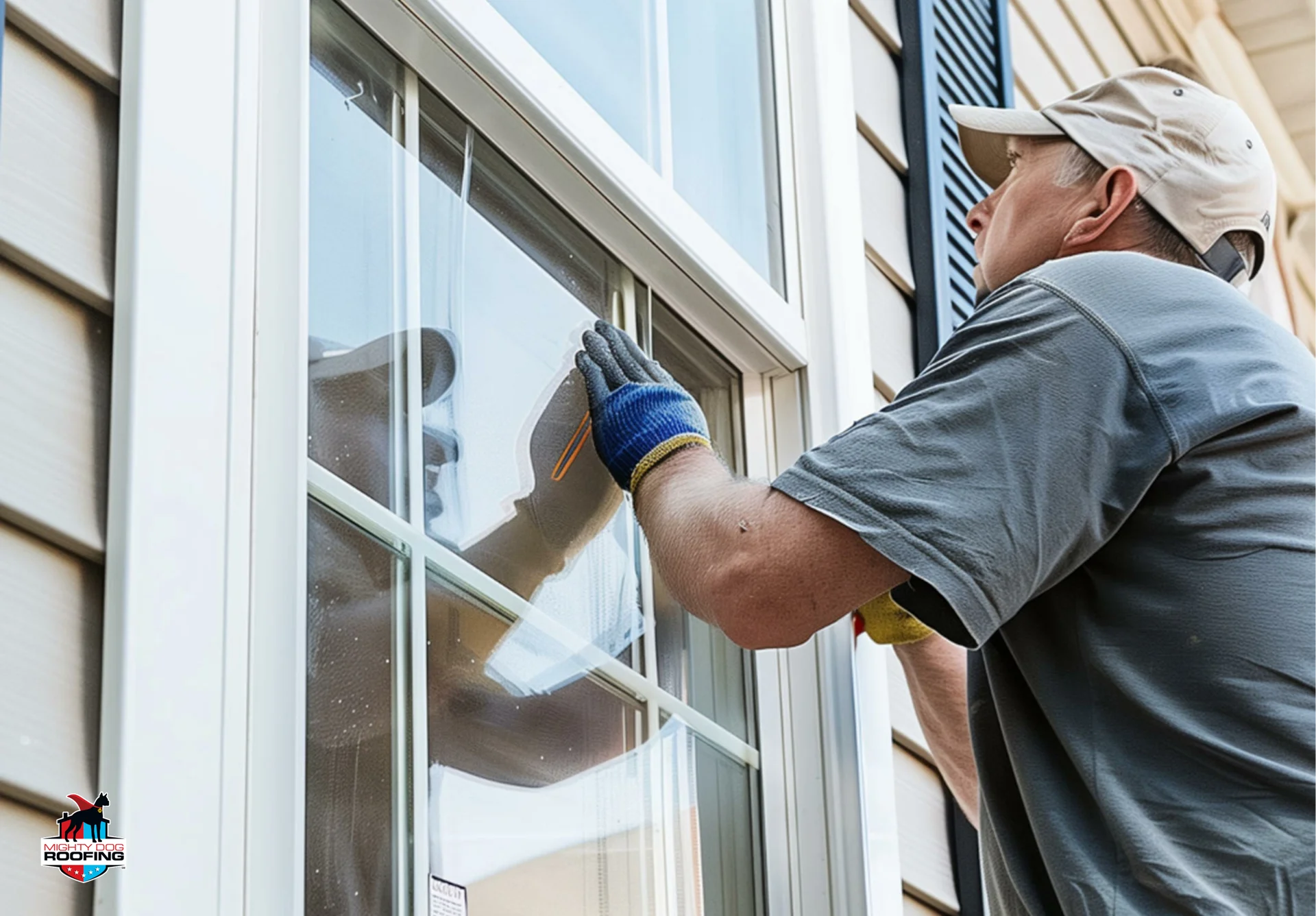
Window replacement energy savings hinge more on glazing technology than the quantity of glass layers. Low-emissivity coatings deflect infrared radiation while transmitting visible light, vastly outperforming standard dual-pane configurations. Frame construction carries equal weight—vinyl and fiberglass materials resist heat conduction far better than aluminum, preserving comfortable interior conditions.
Critical Performance Specifications:
- U-factor quantifies thermal transmission speed; smaller values signal superior insulation
- SHGC (Solar Heat Gain Coefficient) reveals how much solar radiation penetrates the glass
- Chester County's climate demands careful balance between winter heat retention and summer heat rejection
Windows achieving U-factors under 0.30 paired with SHGC ratings between 0.25-0.40 deliver optimal seasonal performance locally.
Air Sealing Around Windows — Often Bigger Than the Window Itself
Cracked caulking and worn weatherstripping can completely negate the benefits of high-performance windows. Resealing existing window assemblies costs substantially less than complete replacement and frequently eliminates comfort issues immediately. Replacement becomes necessary when frames exhibit structural decay or warping—otherwise, professional sealing around current windows often suffices.
What Doesn't Deliver the Savings Promised
Upgrades That Underperform Without Supporting Work
Fresh siding installed without envelope sealing barely registers on utility statements. Likewise, high-end windows mounted within inadequately insulated walls underperform as heat circumvents them through adjacent materials. Reflective roofing positioned above an uninsulated attic achieves almost nothing—thermal transfer simply redirects through ceiling materials instead of roofing surfaces.
How to Avoid Wasting the Investment
Building envelopes operate as unified systems rather than separate components. Prior to committing to specific improvements, professional auditing pinpoints actual loss locations throughout your structure. Question contractors specifically about anticipated bill reductions—Mighty Dog Roofing delivers precise evaluations instead of vague assurances—and confirm their proposals target your property's genuine deficiencies.
ROI and Available Incentives
What Each Upgrade Typically Returns
Grasping exterior upgrades ROI assists with spending prioritization, whether your property sits in Chester County or you're pursuing home energy efficiency Delaware County specialists recommend. Different improvement categories yield distinct return profiles shaped by current building conditions and regional utility pricing.
Projected Returns by Category:
- Roofing and attic modifications: Maximum long-term ROI, commonly achieving 15-20% annual bill reduction
- Window installations: Moderate ROI accompanied by substantial comfort advantages beyond cost savings
- Siding installations: Minimal direct thermal ROI, though exceptional returns in longevity and visual appeal
Consulting with a residential roofing company near you allows discussion of how combined modifications produce cumulative benefits rather than isolated gains.
Tax Credits and Utility Incentives in Pennsylvania
Federal incentive programs active through 2025-2026 reimburse 30% of qualifying insulation, window, and select roofing material expenses. Pennsylvania utility providers administer supplementary rebate initiatives for insulation and window installations, with specifics varying by service territory. Strategic timing and stacking federal credits alongside utility rebates frequently reduces total project investment by 25-35%.
Where to Start if You're Doing One Upgrade at a Time
.png.webp)
The Right Order for Maximum Impact
Prioritize attic insulation and ventilation before any visible exterior modification—this creates your foundational thermal barrier. Subsequently, tackle envelope sealing before window or siding replacement. When finances permit, combining siding and window projects lowers aggregate installation expenses while guaranteeing seamless integration between adjacent components.
Getting a Professional Assessment
Qualified contractors assess complete exterior assemblies for thermal performance rather than evaluating isolated products. Mighty Dog Roofing examines each property comprehensively, determining where modifications will translate to genuine bill reductions. Request your complimentary estimate to identify current thermal vulnerabilities throughout your home—and discover which solutions produce authentic savings.
The Right Upgrades, in the Right Order, Make the Difference
Exterior modifications succeed when approached as integrated systems rather than disconnected purchases. Your property's particular characteristics dictate which solutions prove most impactful. Mighty Dog Roofing guides Chester County homeowners through identifying those priorities, guaranteeing that each dollar invested contributes to documented savings and sustained indoor comfort.