

Winter throughout Chester County takes a toll not just on residents — it systematically breaks down every exterior surface of your home over several months. Once warmer temperatures return, a familiar pattern of maintenance needs emerges. Addressing these concerns early remains far more affordable than waiting until deterioration advances. At Mighty Dog Roofing, we've assembled this comprehensive guide to help you survey your property with confidence and identify exactly what demands attention.
Why a Spring Exterior Check Matters
What Winter Actually Does to an Exterior
Repeated freeze-thaw cycles impact each building material in distinct ways, showing no favoritism. Moisture penetrates hairline fractures during mild afternoons, then expands forcefully as overnight temperatures plummet. By the time spring arrives near Chadds Ford and surrounding areas, this relentless process has enlarged openings, compromised material bonds, and established new pathways for additional moisture intrusion. Issues identified in March generally cost significantly less to remedy than identical problems discovered in June, after hidden damage has proliferated behind visible surfaces.
How to Approach This Inspection
Before beginning your spring exterior inspection Chester County residents should assemble several essential tools. Binoculars enable detailed roof examination without leaving the ground. A quality flashlight illuminates shadowed recesses beneath eaves and overhangs. A standard garden hose allows functional gutter testing. Moreover, carry a notepad or smartphone to record your observations systematically.
Ground-Level vs. Ladder Checks:
- Complete a full perimeter walk first, documenting anything observable from ground level
- Rely on binoculars for rooftop details rather than climbing
- Examine soffit and fascia from below before contemplating ladder usage
- Capture photographs of concerning areas for future reference and potential insurance claims
Certain evaluations demand specialized equipment and professional expertise. Should you encounter substantial damage or face the need to reach steeply pitched areas, pause immediately and contact a local roofing contractor instead of endangering yourself.
The Roof — Start at the Top
What to Check From the Ground
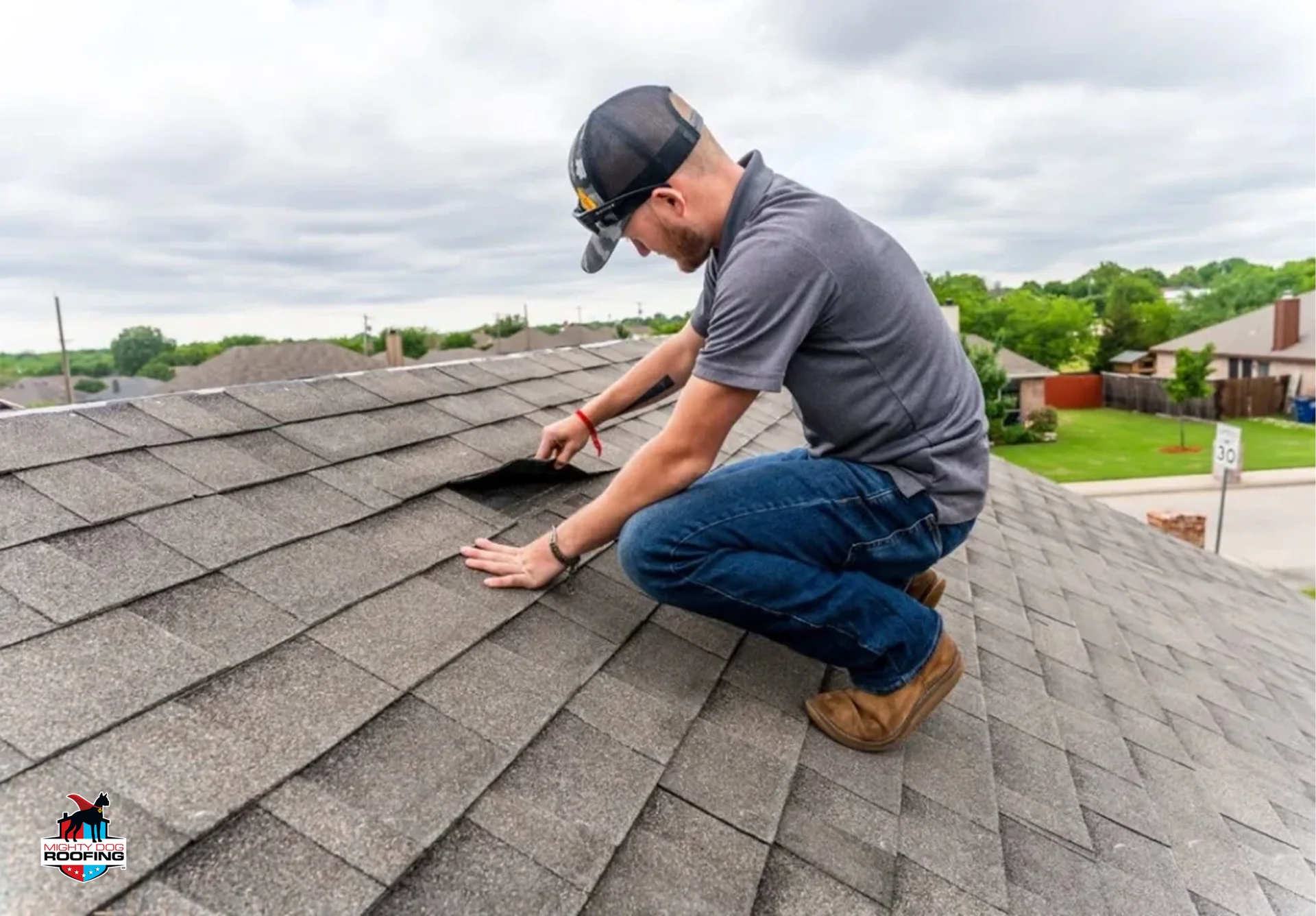
Your home exterior checklist spring should commence at the highest point — the roof. Standing at ground level, carefully scan for absent, elevated, or curling shingles particularly along ridge lines and eave edges. Examine the discharge zones beneath downspouts for granule accumulation — a telltale indicator of shingle degradation. Additionally, position yourself at a distance to evaluate the roofline profile. Any visible sagging or irregularity in the horizontal plane suggests structural concerns requiring prompt evaluation by a residential roofing company near you.
Flashing and Chimney
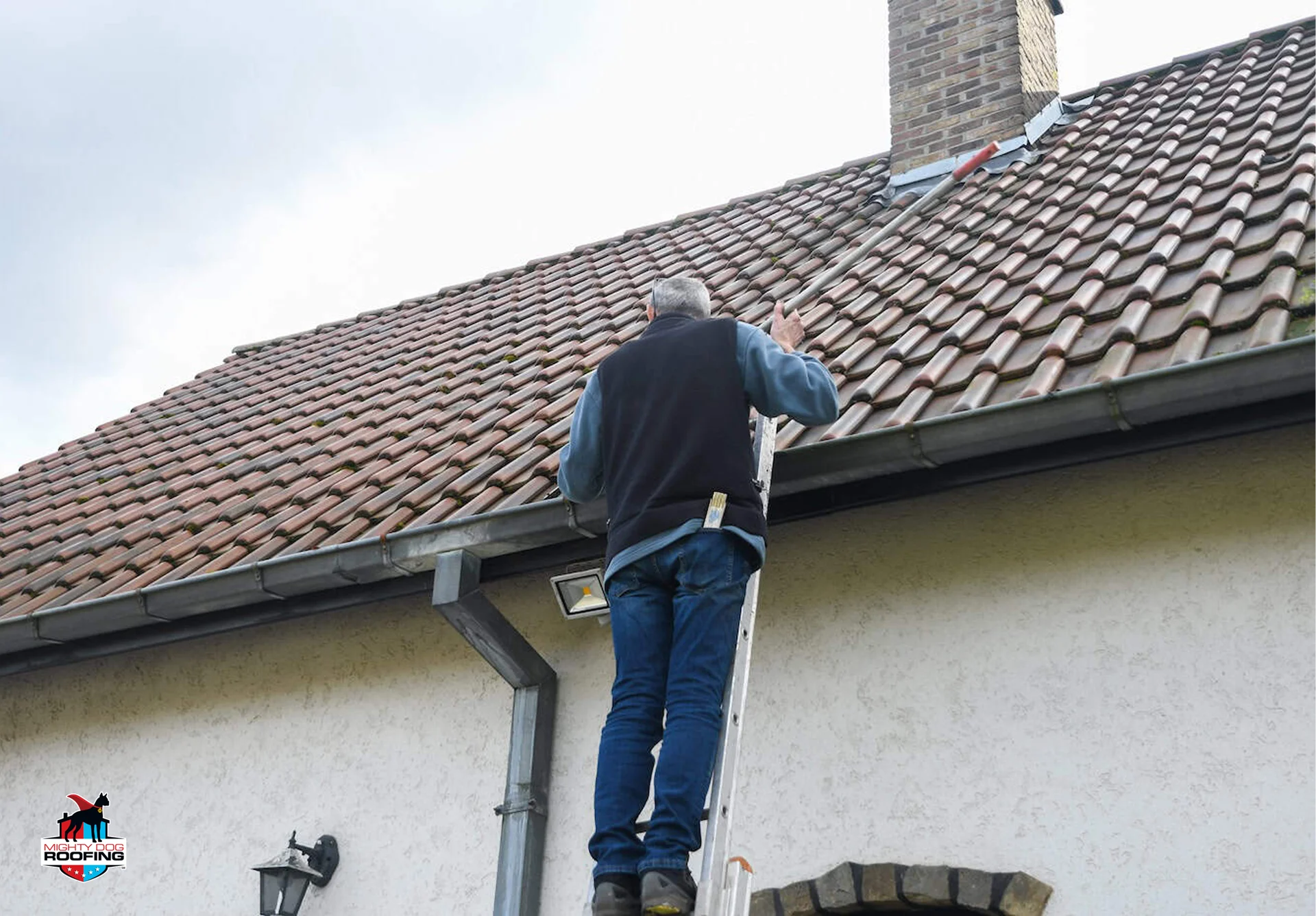
Metal flashing pulls away from chimney bases and dormer junctions far more frequently than most property owners suspect. Winter ice formation forces metal components away from masonry surfaces, opening gaps that invite moisture penetration. From your vantage point on the ground, scan for deteriorated mortar joints along the chimney stack. Rust discoloration on metal flashing components functions as an early alert system — once oxidation initiates, complete failure approaches. These roof siding gutter inspection spring priorities safeguard against expensive interior consequences.
Gutters and Downspouts
Visual Signs of Winter Damage
Heavy ice loading stresses gutter systems throughout the cold months. Search for drooping segments and detachment from fascia boards. Look carefully for visible oxidation, fractures, or openings at connection points where sections join. Furthermore, scrutinize hangers spanning the complete gutter length. Deformed or absent hangers permit gutters to separate gradually, channeling runoff toward your foundation rather than safely away.
Functional Tests
Visual review alone reveals only partial information. Direct your garden hose through the entire system while monitoring for leakage at joints, end caps, and downspout connections. This straightforward procedure exposes deficiencies invisible during ground-level observation.
What to Monitor During Testing:
Drips or streams emerging at joint connections under pressure
Downspout discharge positioning relative to your foundation (maintain minimum 4-6 feet clearance)
Slow drainage or backup symptoms suggesting blockages
Overflow evidence creating staining on siding beneath gutters
Overflow marks on siding below gutter lines indicate repeated moisture escape incidents. That runoff has been cascading down your exterior walls, and exterior damage after winter frequently originates precisely this way.
Siding — Surface, Seams, and Caulking
What to Look for on the Surface
Post-winter home inspection Pennsylvania property owners perform should emphasize siding condition heavily. Freeze-thaw cycling generates cracking, deformation, and panel buckling across exterior surfaces. Fading or chalky residue signals UV degradation that has compromised the protective coating. Beyond that, search for impact marks from ice chunks falling off rooflines or wind-propelled debris during winter storm events.
Seams, Corners, and Trim
Moving past surface-level concerns, examine junction points where siding elements connect. Openings developing at seams and corner posts create infiltration pathways for moisture. Caulking surrounding windows and doorframes fractures and separates progressively, accelerating during dramatic temperature fluctuations. Trim detachment establishes direct routes for moisture entry into wall assemblies. Mighty Dog Roofing advises remedying these gaps before spring precipitation challenges every seal throughout your home.
Windows and Doors
Frame and Seal Inspection
Fog or condensation appearing between glass panes signals compromised seals that diminish insulation performance. On wooden frames, watch for paint or stain deterioration — exposed lumber absorbs moisture aggressively. Evaluate caulking integrity surrounding all window borders. Cracked or absent caulking permits moisture passage behind trim pieces and into structural framing, where deterioration accumulates without visible evidence.
Operational Check
Windows and doors exhibiting sticking or dragging behavior often reflect freeze-thaw displacement within frames or adjacent structures. Operate each unit to verify smooth functionality. Examine screens following winter storage or prolonged exposure for tears and frame deterioration. Lastly, evaluate weatherstripping compression levels. Degraded stripping enables air leakage that elevates cooling expenses substantially during warmer months ahead.
Foundation and Grading
What to Look for at Ground Level
Foundation evaluation completes your spring home maintenance Chester County property survey. Frost heave produces fresh cracks that remained invisible during autumn months. Traverse the complete perimeter while examining concrete surfaces closely.
Foundation Evaluation Points:
Horizontal fractures suggesting lateral soil pressure from frozen ground
Vertical cracks exhibiting widening since your previous review
Stair-step crack patterns in block foundation walls
Soil separation where ground has retreated from foundation surfaces
Basement window wells warrant careful attention as well. Accumulated moisture and obstructed drains within wells direct problems toward vulnerable areas. In contrast, soil grading should slope away from foundation walls, never toward them. Mighty Dog Roofing observes that foundation-related moisture complications stem from inadequate grading more commonly than any alternative cause.
Drainage Patterns Around the Home
Following the next rainfall, monitor where puddles collect and which direction surface flow travels. Accumulation adjacent to foundations indicates grading deficiencies or insufficient drainage capacity. Verify that downspout extensions redirect runoff at least four feet beyond the structure. Similarly, examine mulch beds and planted areas. Direct contact between organic materials and siding traps moisture against exterior surfaces, hastening material breakdown.
What to Do With What You Find
Prioritizing Repairs
Not every discovery demands immediate intervention. Nevertheless, roof and gutter concerns always warrant first priority — these systems shield everything positioned below them. Window and door seal failures rank as secondary priorities. Cosmetic siding issues can generally wait until summer schedules permit. Should storm damage appear responsible for any documented findings, compile thorough photographic and written records for insurance purposes prior to commencing repairs.
Getting a Professional Assessment
Certified roofing specialists identify complications that visual surveys cannot detect. They evaluate underlayment integrity, flashing condition beneath surface materials, and ventilation performance — elements entirely hidden from ground-level perspective. At Mighty Dog Roofing, one thorough evaluation encompasses your roof, gutters, and complete exterior simultaneously, delivering a comprehensive understanding of your property's condition. Reserve your appointment ahead of the spring rush to secure convenient scheduling and circumvent emergency service rates.
Catch It in March, Fix It on Your Terms
A single property walkthrough during March delivers substantially more value than an unexpected repair bill in May. Discover issues now and address them according to your timeline — before spring rainfall conducts its own rigorous assessment of every surface. Mighty Dog Roofing proudly serves Chester County homeowners prepared to safeguard their investment before minor concerns escalate into major expenses.