
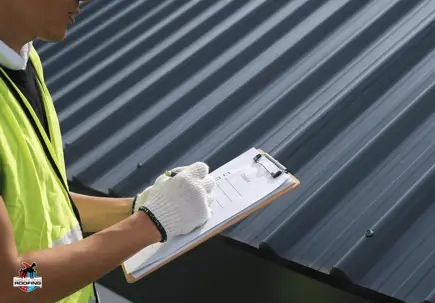
Harsh Pennsylvania winters put residential roofing systems through extreme conditions, making a spring roof inspection Chadds Ford homeowners' critical first action toward safeguarding their property. Ice dams, accumulated snow weight, and continuous freeze-thaw patterns generate concealed issues that deteriorate progressively. Through a comprehensive post-winter roof check, you can spot minor concerns before they transform into expensive repairs. This guide from Mighty Dog Roofing provides everything necessary for understanding roof damage inspection and preventative roof maintenance.
Why Spring Roof Inspections Are Essential in Chadds Ford
Pennsylvania's cold season subjects roofing materials to remarkable strain. Constant freeze-thaw patterns force materials to expand and contract repeatedly, slowly compromising seals and dislodging shingles. Ice formations develop along eaves, pushing moisture beneath protective layers. Heavy snowfall simultaneously places considerable structural burden on your home's framework throughout colder months.
Chester County Climate Concerns:
- Severe temperature swings weakening sealant compounds
- Ice buildup forming along edges
- Wind-driven precipitation entering compromised zones
- Snow accumulation surpassing design limits
Timely detection through a Chester County roof inspection prevents thousands in potential repair costs. Furthermore, proper documentation enhances insurance claim outcomes. While self-conducted assessments offer valuable preliminary data, a professional roof inspection uncovers concealed concerns that untrained observers typically overlook.
Safety First: When to Call a Professional
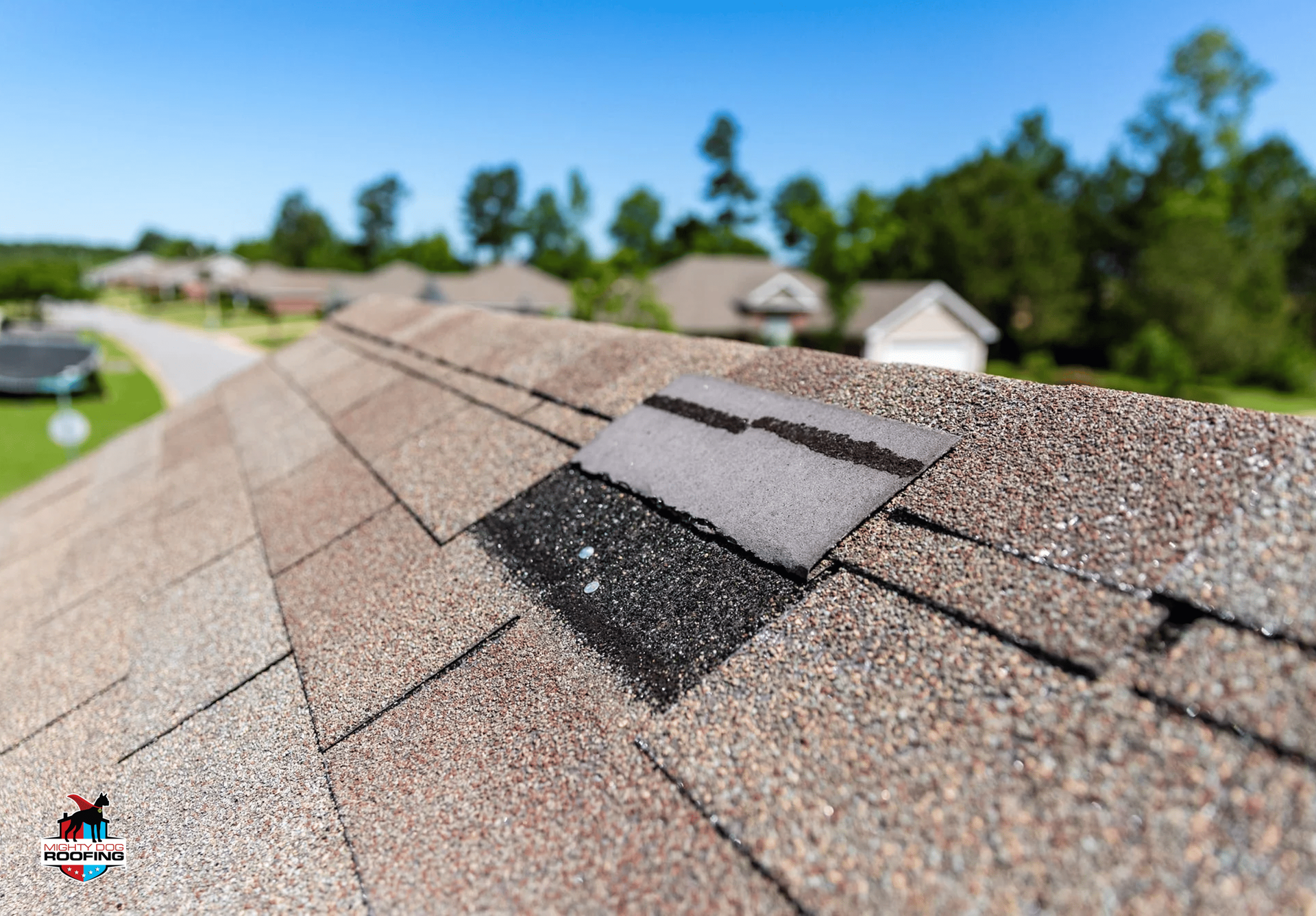
Elevated surfaces present considerable hazards, especially following winter weather. Steep angles, slick conditions, and unreliable footing create risky circumstances for homeowners lacking proper training. Additionally, standard household ladders frequently lack adequate reach and stability for secure access. Contractors bring specialized gear, full insurance coverage, and expertise identifying concealed issues. When age, mobility constraints, or uncertainty give you hesitation, investing in an expert evaluation provides both precise results and considerable peace of mind.
Exterior Inspection Checklist from Ground Level
Shingle and Material Assessment
Start your winter roof damage assessment by examining the surface from ground level with binoculars. Search for missing or shifted shingles, indicating wind effects or adhesive breakdown. Curling, cupping, and cracking suggest material deterioration from temperature swings. Inspect your gutters for collected granules, since excessive loss signals aging materials. Moreover, observe any bare spots, unusual color changes, or raised edges exposing the underlayment to moisture penetration.
Flashing Inspection Points
Flashing failures account for a substantial portion of leaks. Check chimney flashing for separation where metal contacts masonry. Valley flashing requires close scrutiny, as these channels direct water flow. Examine vent pipe boots for splits or wear, and assess skylight and dormer flashing for comparable concerns. Rust, corroded sections, and failing sealant compounds indicate that attention from a roofing contractor near you becomes necessary.
Gutter System Evaluation
Gutters endure considerable strain during winter months. Ice formations regularly detach gutters from fascia boards, while frozen debris makes sections droop or disconnect. Check connections between gutters and downspouts for separation. Search for rust patches, openings, and collected debris obstructing proper flow. Just as importantly, confirm that downspouts channel water away from your foundation to avoid basement moisture complications.
What to Check from Inside Your Home
Attic Inspection Priorities
Your attic provides crucial insights about overall condition. With a flashlight, search for daylight coming through the decking, suggesting gaps or openings. Water marks on decking and rafters indicate active or previous leaks. Examine insulation for wetness, compression, or displacement. Any frost buildup, mold development, or mildew requires prompt attention. Lastly, evaluate ventilation effectiveness and inspect rafters and trusses for structural compromise indicators.
Interior Ceiling and Wall Signs
Interior surfaces frequently show early warning indicators of overhead problems. Water marks and discoloration on ceilings suggest moisture entry. Paint peeling near the roofline indicates persistent dampness. Soft areas or drooping ceiling sections demand prompt investigation. Watch corners for emerging cracks and observe any temperature differences between rooms. Musty smells typically signal hidden moisture buildup requiring expert evaluation.
Common Winter Damage Types in Chester County
Ice Dam Damage
Ice dams produce some of winter's most destructive outcomes. When ice accumulates along eaves, it raises shingles and drives melting water beneath the roofing system. This backup soaks underlayment, harms decking, and enters interior spaces. Gutters frequently sustain severe harm from ice weight, and fascia boards weaken from extended moisture contact. Mighty Dog Roofing suggests addressing insulation and ventilation deficiencies to prevent ice dam development during subsequent winters.
Wind Damage Assessment
Winter storms deliver powerful gusts that challenge every roofing component. Raised or missing shingles leave vulnerable underlayment exposed to elements. Strong winds also harm soffits, fascia, and chimney caps while shifting satellite dishes and vents. Tree limbs may strike the surface, depositing debris and creating punctures. Any visible underlayment or decking demands emergency attention to stop water entry.
Snow Load Impact
Substantial Pennsylvania snowfalls exert tremendous pressure on structures. Warning indicators include noticeable decking sagging, rafter bending, and unusual creaking noises. Excessive weight can compromise ice and water shield membranes and permanently compress materials. Knowing your load capacity helps determine when snow clearing becomes essential. An expert assessment after significant snowfall confirms structural soundness remains unaffected.
Documenting Damage for Insurance Claims
Thorough documentation significantly strengthens insurance claims. Capture photographs of all affected zones from various angles, including wide views and detailed close-ups. Date-stamp each image and compare current conditions against any photographs captured before winter. Compose detailed written accounts of each problem zone and secure an inspection report from your local roofing contractor. Submit claims promptly, since most policies enforce strict reporting windows. A roofing contractor near you can supply estimates and navigate you through the claims procedure effectively.
Minor Issues Homeowners Can Address
Certain spring roof maintenance tasks remain within homeowner abilities. Clearing gutters and downspouts, eliminating debris from surfaces, and cutting back overhanging branches enhance performance and lifespan. Unblocking soffit vents maintains proper attic airflow. Nevertheless, recognizing when DIY attempts become hazardous stays essential. Temporary fixes seldom replace permanent repairs, and improper work may invalidate manufacturer warranties. When uncertain, consult a residential roofing company near you.
Red Flags Requiring Immediate Professional Attention
Specific conditions require urgent intervention from specialists. Active leaks, considerable shingle loss, and drooping sections all signal serious situations demanding immediate response. Visible decking, substantial ice dam formations, and apparent structural concerns jeopardize your home's integrity and your family's safety.
Emergency Warning Signs:
- Water actively penetrating living spaces
- Multiple zones displaying simultaneous problems
- Mold or mildew spreading through attic spaces
- Flashing systems visibly failing
- Missing or compromised ventilation components
These circumstances surpass typical homeowner repair abilities. Postponing assessment risks exponentially higher costs. Contact Mighty Dog Roofing immediately when these warning signs emerge.
Professional Inspection: What to Expect
Comprehensive Assessment Process
A thorough inspection adheres to systematic procedures. Technicians assess exterior conditions completely, then perform interior attic inspections identifying concealed problems. Structural soundness evaluations examine rafters, trusses, and decking. Ventilation systems undergo careful review, alongside all flashing installations and sealant applications. The gutter system receives complete examination. Throughout this process, detailed photographic documentation establishes a permanent record supporting recommendations.
Understanding Inspection Reports
Quality inspection reports deliver actionable insights. Issues receive severity classifications distinguishing immediate concerns from future maintenance needs. Reports clearly separate repair-suitable situations from replacement recommendations. Cost projections, timeline urgency markers, and warranty implications assist homeowners in making educated decisions. Insurance claim guidance and continuing maintenance suggestions complete comprehensive reporting.
Preventative Maintenance for Future Winters
Safeguarding your home starts well before winter arrives. Fall preparation involves examining and addressing any vulnerabilities while weather permits. Adequate attic insulation and sufficient ventilation prevent ice dam development. Gutter guards minimize debris buildup, and regular tree trimming removes branch hazards. Building a relationship with a local roofing contractor guarantees prompt attention when problems surface. Following a roof inspection checklist within a maintenance program yields substantial long-term cost reductions.
Repair vs Replacement: Making the Decision
Establishing whether to repair or replace demands careful evaluation. Your system's age substantially influences this choice, since materials nearing their anticipated lifespan often merit replacement over repeated fixes. The scope of issues and history of earlier repairs weigh heavily in cost-benefit assessments.
Decision Factors to Consider:
- Energy efficiency enhancement opportunities
- Insurance coverage constraints and requirements
- Timeline for potential home sale
- Available financing alternatives
- Expert recommendations derived from inspection findings
Ultimately, guidance from a trusted residential roofing company delivers the most dependable direction. Short-term repair savings occasionally result in larger long-term expenditures.
Choosing a Qualified Roofing Contractor
Selecting an appropriate contractor safeguards your investment. Prioritize companies possessing extensive Chadds Ford experience who comprehend local climate challenges. Confirm licensing, insurance coverage, and manufacturer certifications before executing any agreement. Review references and online testimonials for consistent quality markers. Request written estimates specifying scope, materials, and warranties. Assess communication responsiveness and emergency service availability. Transparent contracts featuring reasonable payment schedules protect both parties throughout the project.
Cost Expectations for Common Spring Repairs
Grasping typical repair costs assists homeowners in budgeting appropriately. Spring repairs following winter fluctuate considerably based on scope, materials, and accessibility. Minor issues resolved promptly cost substantially less than problems allowed to deteriorate over time.
Typical Spring Repair Cost Ranges:
Repair Type | Cost Range |
Minor shingle replacement | $200–$800 |
Flashing repair | $300–$1,500 |
Gutter repair or replacement | $600–$2,500 |
Ice dam removal and prevention | $500–$3,000 |
Ventilation improvements | $300–$2,000 |
Emergency leak repair | $500–$2,000 |
Full replacement | $8,000–$25,000+ |
Inspection services | $150–$400 |
Numerous factors influence final pricing, including pitch, accessibility, and material selections. Consider these expenditures as investments preserving your home's value rather than simple expenses.
Protecting Your Chadds Ford Home This Spring
Acting after winter safeguards your home and family. Mighty Dog Roofing provides comprehensive inspection services, winter expertise, and candid assessments customized to your particular circumstances. Whether requiring quality repairs or complete replacement, our team offers insurance claim support and emergency response when pressing situations develop. Partnering with a trusted residential roofing company near you stops minor issues from growing into major complications. Book your spring inspection today and make well-informed decisions regarding your home's most vital protective system.