
Your rainwater channels remain firmly attached. No bends, no visible fractures, no obvious signs of distress. This must mean everything survived the cold months intact—correct? Unfortunately, that assumption proves wrong more often than homeowners realize. Winter generates hidden gutter damage winter conditions create silently, and these structural compromises stay invisible until spring downpours direct water straight at your home's base. At Mighty Dog Roofing, our technicians encounter these overlooked failures every March and April. Below you'll find exactly what deserves attention before seasonal rains expose vulnerabilities the hard way.
Why Winter Is So Hard on Gutters
Three Forces That Damage Gutters Over Winter
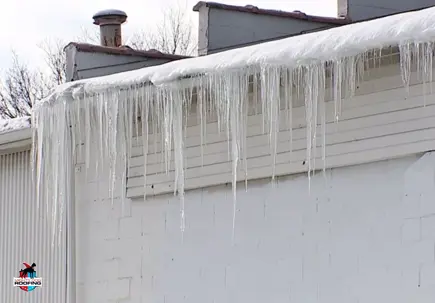
Cold-weather months subject your rainwater management system to cumulative strain that builds week after week. Every snowfall, ice formation, and temperature swing adds pressure to mounting brackets, joints, and metal surfaces. By late winter, even recently installed systems may harbor structural compromise that stays completely hidden from street-level observation.
Primary Winter Stressors:
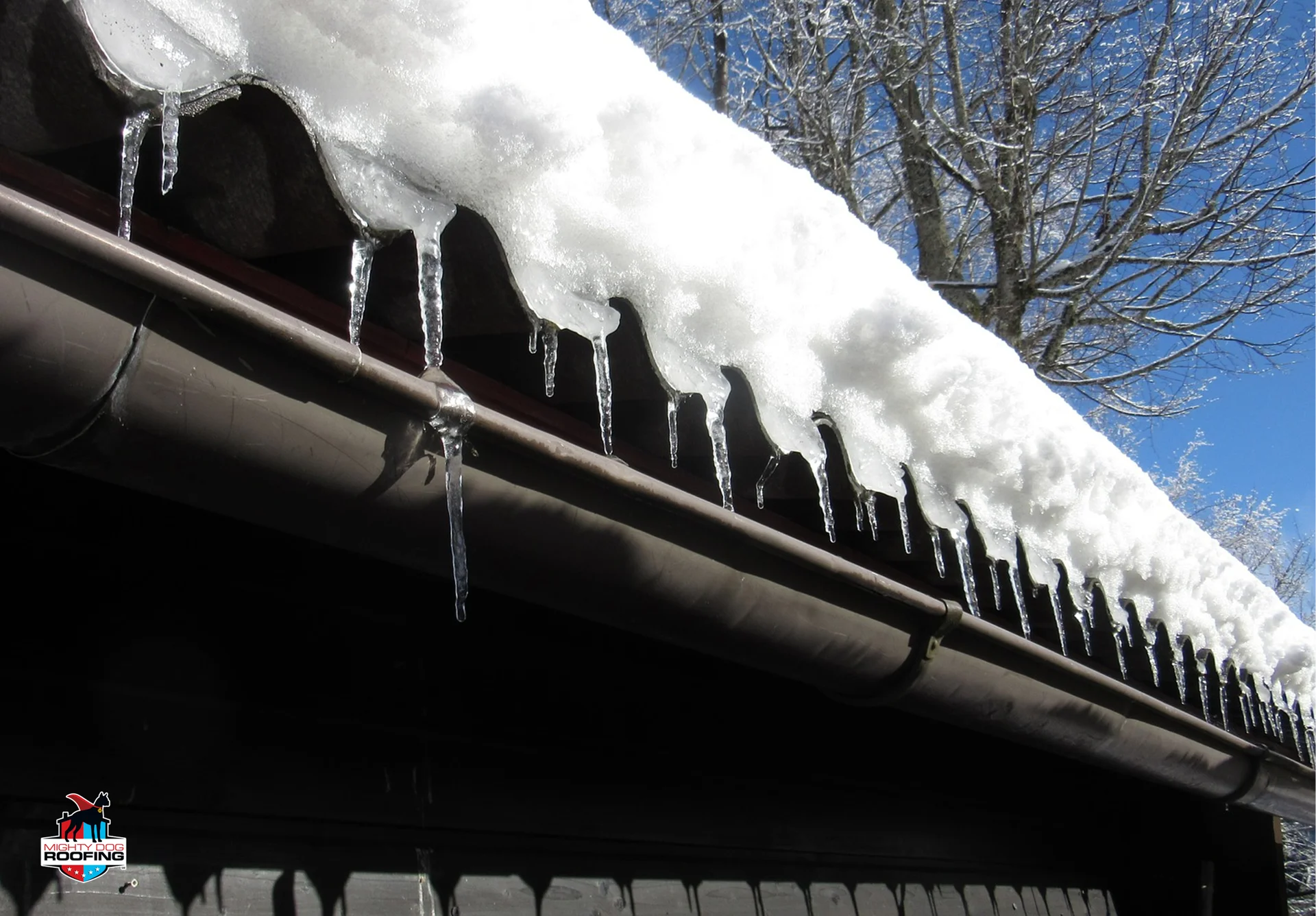
- Frozen water mass pushing downward and outward against every segment, warping aluminum and taxing mounting hardware
- Repeated freeze-thaw cycling placing continuous tension on connection points and support brackets
- Leaf and twig accumulation trapping humidity against metal surfaces, speeding oxidation and material breakdown
These destructive elements operate simultaneously, and their combined impact multiplies throughout a harsh Pennsylvania winter. Recognizing this pattern helps property owners understand why gutter inspection Chester County specialists recommend becomes critical once temperatures rise.
Why the Damage Is So Easy to Miss
Nearly all cold-weather deterioration occurs at connection joints, behind the channel where it meets your roofline, or beneath ground level in buried discharge lines. Drainage systems frequently appear secure even when internally weakened. Furthermore, aging sectional configurations demonstrate far greater susceptibility than modern seamless alternatives since every junction represents another potential weak point.
5 Types of Hidden Gutter Damage to Check For
1. Micro-Cracks at Seams
Hairline fractures at junction points seem almost invisible yet drip persistently whenever water flows through. Examine connections carefully for tiny splits or chalky mineral residue signaling previous leakage. Although caulk applications provide short-term relief, widespread cracking typically indicates that gutter repair spring maintenance should involve segment replacement rather than temporary patches.
2. Fascia Board Rot Behind the Gutter
Wood deterioration behind your channels remains entirely concealed without physically detaching sections from your home. Nevertheless, early warning signs become visible from ground level through paint bubbling, dark vertical streaking, or subtle swelling along board edges. Once humidity becomes trapped against wooden trim, decay spreads aggressively through warmer spring and summer conditions.
3. Pitch Shift — Gutters That Drain the Wrong Way
Channels might appear perfectly horizontal yet actually slope toward your structure instead of toward discharge points. Verify flow direction using a standard garden hose—liquid should travel steadily toward outlets without accumulating mid-span. Incorrect angling repeatedly directs runoff toward your foundation, eventually causing soil displacement, basement humidity, and gradual structural settlement.
4. Loose or Missing Hangers
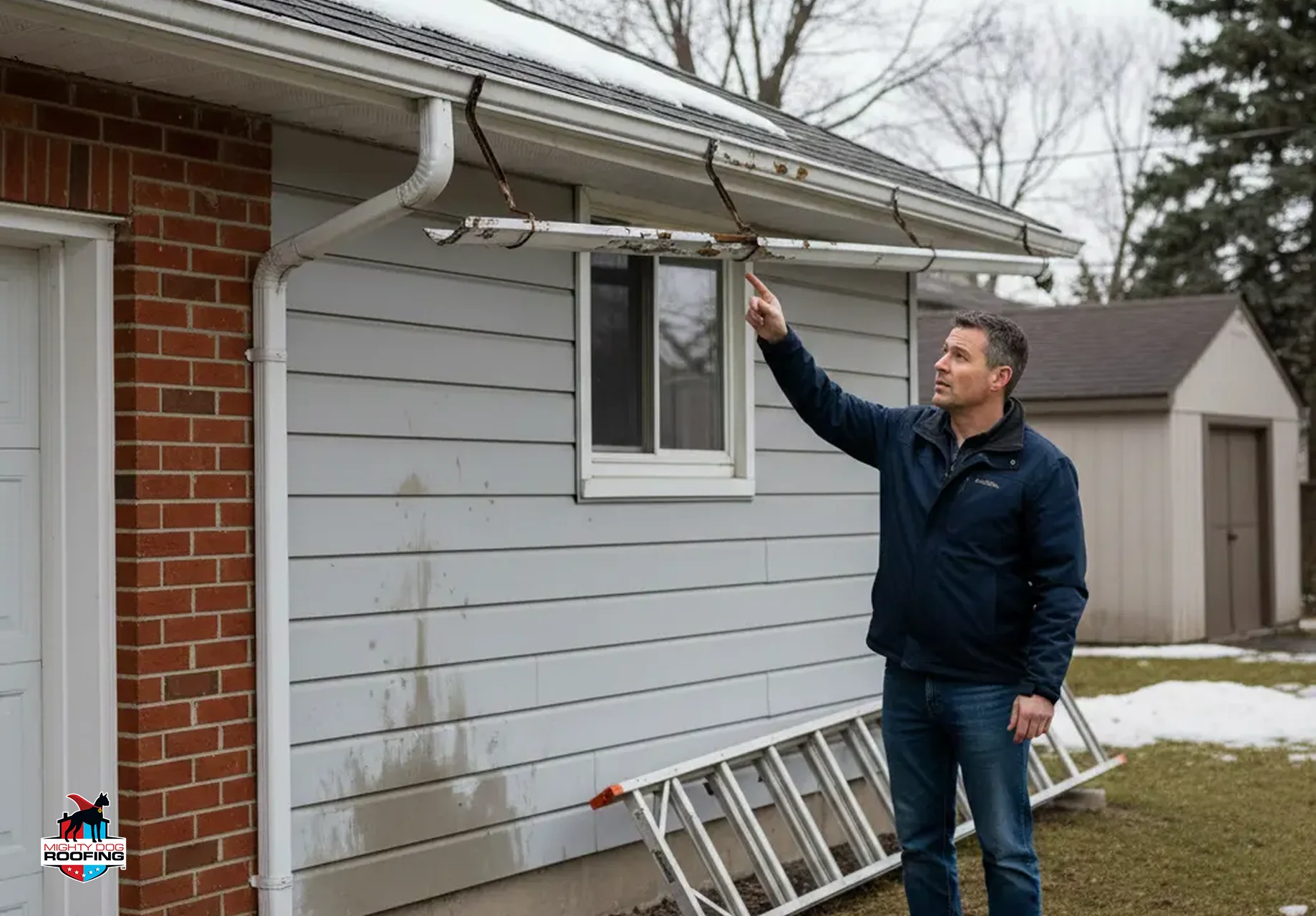
A channel with compromised brackets remains attached but moves noticeably during windstorms and heavy precipitation. Support hardware typically fails first at corner sections, adjacent to downspouts, and at center points where frozen accumulation reaches maximum weight. This winter gutter problems scenario leads to sudden complete separation without advance warning, potentially striking landscaping features or pedestrians below.
5. Underground Downspout Blockage
Rainwater seems to evacuate normally yet mysteriously accumulates near your foundation within hours after precipitation ends. Identify this condition without excavation by examining soil saturation near buried pipe outlets or by running water through the system while timing how quickly pooling develops at ground level. Foundation humidity and basement condensation frequently trace directly to this commonly missed condition.
How to Check Your Gutters Without Getting on a Ladder
Ground-Level Visual Inspection
Careful observation from your yard reveals substantially more than most property owners anticipate. Circle your entire home slowly while examining the roofline. Concentrate on spotting abnormalities that suggest concealed failures requiring evaluation by a local roofing contractor.
Key Visual Indicators:
- Noticeable drooping or waviness along any horizontal run
- Exterior wall discoloration beneath channel sections suggesting overflow events
- Stain patterns on siding directly below connection points
- Visible separation between channel backing and trim boards
Schedule this examination on cloudy days when harsh shadows won't obscure important details. Mid-morning typically offers optimal lighting conditions. Post-rainfall periods present additional opportunities—search for moisture marks on exterior surfaces that shouldn't appear when the system operates correctly.
The Garden Hose Test
Direct water through your drainage network using a standard hose positioned at the end farthest from discharge points. Monitor closely for moisture escaping at joints, spillover at midpoints before reaching outlets, and sluggish evacuation at downspout entrances. Joint seepage reveals sealant deterioration. Mid-section spillover suggests pitch displacement or internal obstructions. Sluggish downspout flow indicates blockages that overwhelm the entire network during substantial rainfall.
What Happens If You Leave It Until Summer
Foundation and Basement Damage
Malfunctioning channels redirect thousands of gallons toward your home's foundation throughout spring storm season. Subterranean moisture infiltration and water penetration develop incrementally, often escaping notice until mold colonies appear or masonry displays white mineral efflorescence. Foundation restoration expenses typically exceed by ten to twenty times what gutter damage after winter Pennsylvania residents address promptly through timely evaluation and correction.
Rot, Erosion, and Exterior Damage
Trim board decay accelerates substantially through spring and summer as ambient temperatures climb and trapped humidity feeds fungal activity. Simultaneously, landscaping erosion around your property's perimeter displaces topsoil and exposes plant root systems. Siding and window frame deterioration from persistent overflow compounds these concerns, generating restoration invoices that vastly exceed the investment in gutter replacement Chester County professional services.
Repair or Replace? How to Decide
When Repair Is the Right Call
Targeted correction makes sense when problems remain confined to particular segments while your overall network stays structurally sound. Seamless installations especially benefit from focused interventions since individual sections integrate cleanly without affecting neighboring runs. Networks under a decade old showing no systemic weakness typically warrant correction over complete replacement. Mighty Dog Roofing assesses each circumstance individually to suggest the most economical approach.
Repair vs. Replace Decision Factors
Factor | Favors Repair | Favors Replacement |
System Age | Under 10 years | Over 15-20 years |
Problem Location | Isolated sections | Throughout network |
Installation Type | Seamless | Sectional with multiple failing joints |
Bracket Condition | Predominantly secure | Widespread failure |
Previous Work | None or minimal | Repeated seasonal interventions |
Evaluate these considerations honestly before committing. When several indicators point toward replacement, investing in a completely new network prevents recurring maintenance costs and delivers enduring protection.
When Full Replacement Makes More Sense
Complete network installation becomes the wiser investment when system-wide bracket failure or pitch displacement exists throughout. Sectional configurations with numerous deteriorating joints seldom justify ongoing patchwork. Moreover, installations exceeding fifteen to twenty years with recurring seasonal complications have exhausted their functional service life. Mighty Dog Roofing guides homeowners through this determination with straightforward, honest evaluations.
Get Your Gutters Checked Before Spring Rains Arrive
What a Professional Gutter Inspection Covers
A thorough post-winter home inspection encompasses comprehensive network evaluation addressing trim board condition, pitch precision, bracket integrity, and discharge functionality. You receive documented findings alongside clear correction versus replacement guidance. Contact our certified roofing professionals today to arrange an assessment protecting your Greater Chadds Ford property before spring precipitation arrives.