
Your attic insulation roof performance relationship determines how many years your roofing system will serve you reliably. Inadequate thermal barriers accelerate premature wear through temperature swings, humidity issues, and frozen buildup along eaves. The Greater Chadds Ford climate—featuring brutal winters and sticky summers—demands proper roof insulation to safeguard your property. At Mighty Dog Roofing, we guide Chester County homeowners through addressing these concerns to achieve dramatically extended service periods.
The Critical Relationship Between Insulation and Roof Health
Upper-level conditions directly shape how your materials behave and deteriorate over decades. Temperature gaps between heated living areas and frigid exteriors create humidity challenges that undermine insulation roof health. Furthermore, energy-efficient roofing relies on effective attic temperature control paired with adequate airflow. These foundational building science principles shield your property while trimming long-term expenses.
Primary Factors Influencing System Longevity:
- Thermal regulation minimizing material fatigue
- Humidity management eliminating condensation harm
- Coordinated airflow supporting barrier effectiveness
- Seasonal climate management addressing all weather patterns
Grasping this connection empowers Kennett Square homeowners to make smarter choices. Additionally, sufficient thermal shielding establishes stable environments that halt material breakdown and significantly stretch your system's functional years.
How Poor Insulation Damages Your Roof
Winter Damage Mechanisms
Warmth escaping through substandard thermal barriers liquefies snowpack on your surface, triggering frozen buildup along lower edges. This repeated freeze-thaw pattern weakens shingles subjected to dramatic temperature shifts. Moreover, condensation generates humidity troubles causing structural timber decay and accelerated material aging throughout your roofing assembly.
Summer Heat Impact
Scorching upper-level temperatures climbing to 140-160°F or beyond essentially cook your shingles, sparking premature aging and adhesive failure. This intense warmth speeds granule shedding and may warp your decking. Simultaneously, interior temperatures climb, pushing your HVAC equipment harder and substantially inflating energy expenses.
Moisture-Related Problems
Condensation develops during frigid months when heated, humid air contacts cold surfaces in inadequately protected upper levels. This dampness flattens thermal barriers, encourages fungal growth, and triggers timber decay in rafters and decking. As a result, diminished R-value, compromised structural soundness, and degraded indoor air quality pose potential wellness risks.
Understanding R-Value Requirements for Pennsylvania
R-value quantifies thermal resistance against heat transfer, with Department of Energy guidelines suggesting R-38 to R-60 for upper levels in Pennsylvania's climate zone. Present building codes set baseline requirements, though numerous existing Chester County dwellings fall beneath these benchmarks. Various materials deliver different R-values per inch, making expert evaluation and energy assessments invaluable for mapping cost-effective upgrade routes. Our specialists deliver thorough evaluations pinpointing your particular requirements.
Types of Attic Insulation and Roof Impact
Fiberglass Batt Insulation
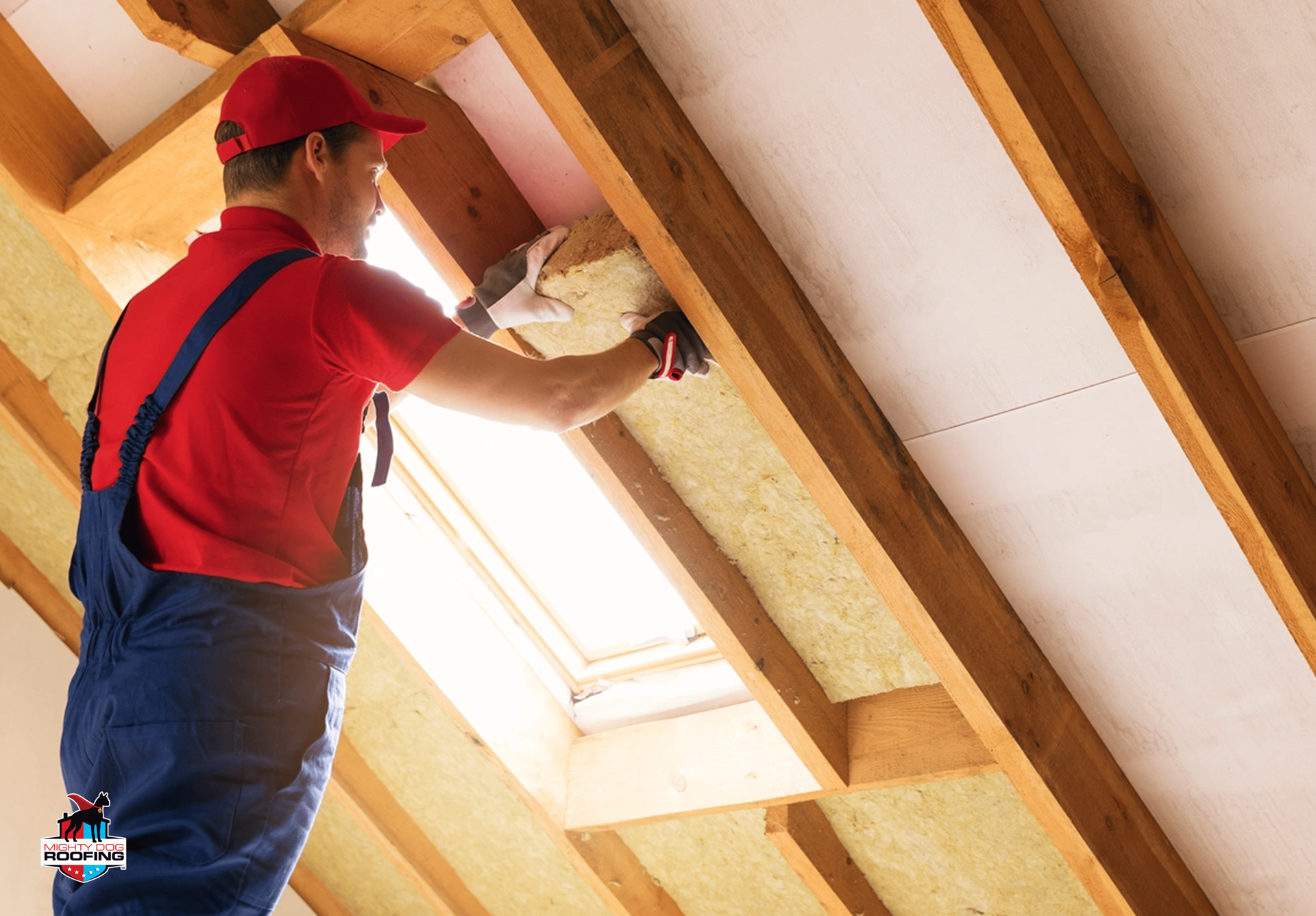
Fiberglass batts fit between joists and rafters, delivering economical coverage when correctly positioned. Nevertheless, gaps and compression sharply diminish R-value performance. Humidity resistance stays limited, making meticulous installation vital for roof performance optimization. Typical errors—such as leaving voids near obstacles—directly harm your system's wellness and expected service duration.
Blown-In Cellulose Insulation
Blown-in cellulose delivers thorough coverage benefits, occupying gaps and uneven spaces efficiently. Although settling happens gradually, fire-resistant treatments boost safety profiles. Humidity absorption warrants attention, yet this material fits existing Chadds Ford home upgrades exceptionally well. Expert installation guarantees appropriate density and lasting performance for superior thermal shielding.
Spray Foam Insulation
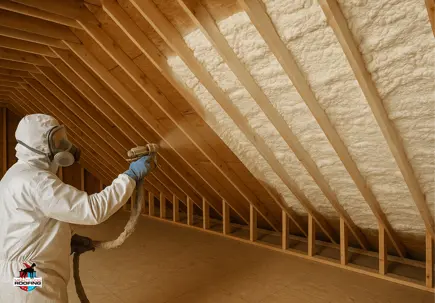
Spray foam provides outstanding air-sealing capability while forming an effective humidity barrier. Its superior R-value per inch validates higher costs for numerous applications. Airflow specifications shift with closed-cell installations, so professional handling remains critical. This choice delivers exceptional deck shielding and enduring durability advantages.
Rigid Foam Board
Rigid foam panels address specialized applications, particularly eliminating thermal bridges at crucial connection points. Robust humidity resistance aids installations in demanding locations. Installation intricacy and expense factors make this material perfect for hybrid approaches combining multiple types. Effectiveness in Pennsylvania's diverse climate remains dependable when expertly installed.
Proper Ventilation: Insulation's Essential Partner
Why Ventilation Matters
Attic ventilation importance deserves emphasis—it expels warmth and humidity while stabilizing temperatures year-round. Sufficient airflow blocks condensation, enables ice dam prevention, and lengthens shingle service periods. Furthermore, this system enhances energy efficiency and satisfies building code mandates. Mighty Dog Roofing guarantees the equilibrium between thermal barriers and airflow generates ideal conditions for extended durability.
Ventilation Types and Requirements
Ridge openings along the peak deliver excellent exhaust benefits when matched with soffit intake along eaves. Gable openings serve supplementary functions, while powered attic fans demand careful evaluation. The 1:300 calculation formula directs appropriate sizing. Intake and exhaust equilibrium, combined with correctly positioned baffles sustaining airflow channels, necessitates professional evaluation.
Common Ventilation Mistakes
Obstructed soffit openings from thermal materials pushed against decking represent the most widespread error Kennett Square homeowners face. Insufficient airflow capacity and imbalanced intake/exhaust proportions magnify difficulties. Improperly combining system types, permitting materials to block openings, and disrupting airflow patterns all breach building codes and hasten deterioration.
Ice Dam Prevention Through Proper Insulation
Frozen dams develop when warmth escapes through insufficient thermal barriers, melting snowpack that refreezes at cooler edges. This cycle damages gutters and produces interior leaks ruining ceilings and walls. Prevention through adequate coverage, paired with air sealing and airflow coordination, removes the upper-level bypasses where warmth escapes. Chester County experiences regular frozen dam conditions, making prevention considerably more economical than restoration.
Comprehensive Frozen Dam Prevention Approach:
- Sufficient coverage achieving R-38 minimum thresholds
- Air sealing every penetration and gap
- Balanced airflow preserving cold surface temperatures
- Upper-level bypass elimination at fixtures, pipes, and ducts
Mighty Dog Roofing delivers expert winterization services tackling every factor contributing to frozen dam development. Extended protection approaches save Greater Chadds Ford homeowners thousands in potential water damage repairs, effectively preventing roof damage season after season.
Energy Efficiency and Cost Savings
Energy-efficient roofing assemblies with adequate thermal barriers slash heating expenses by 20-30% while generating comparable cooling reductions. Your HVAC equipment faces less strain, considerably extending its functional lifespan. Steady temperatures throughout your dwelling boost comfort while shrinking utility invoices. Tax credits, rebates, and Pennsylvania energy initiatives help offset upgrade expenses. The payback timeline, environmental footprint reduction, and lasting financial gains make these improvements genuinely worthwhile.
Signs of Inadequate Attic Insulation
Inconsistent temperatures across rooms, elevated energy invoices, and recurring frozen dams signal thermal protection deficiencies. Icicles along eaves, ceiling discoloration, and upper-level frost during winter demand immediate attention. Excessive summer heat, perpetually cycling HVAC, and perceptible drafts also expose shortcomings. Older Chadds Ford properties frequently contain original materials beneath current standards. Expert assessment determines whether your coverage sufficiently shields your dwelling.
Insulation Assessment and Upgrade Process
Professional Energy Audit
A thorough dwelling evaluation encompasses thermal imaging inspection and blower door testing to locate air leaks with precision. Technicians gauge existing R-value and evaluate airflow system adequacy. This assessment generates a tailored recommendation report with expense projections for improvements, enabling homeowners to sequence upgrades according to impact and budget constraints.
Insulation Upgrade Steps
Air sealing takes precedence before incorporating materials, since leaks sabotage thermal effectiveness. Airflow enhancements coordinate with this work to preserve proper equilibrium. Choosing the suitable type for your circumstances ensures peak results. Expert installation, quality verification inspection, and performance confirmation finalize the process. Documentation and warranty protection safeguard your expenditure.
DIY vs Professional Insulation Installation
Although DIY methods appear budget-friendly, substantial obstacles make professional installation the superior choice. Safety risks from electrical systems and compromised airflow create genuine hazards. Securing complete coverage without gaps demands expertise, and air sealing requires professional tools and methods. Building code adherence introduces complexity that amateur installers routinely miss.
Why Expert Installation Produces Superior Outcomes:
- Specialized equipment ensuring thorough coverage
- Air sealing mastery maximizing effectiveness
- Airflow coordination averting humidity complications
- Code adherence validating warranty terms
A roofing contractor near you possessing thermal barrier expertise delivers optimal outcomes. Additionally, professional installation supplies lasting performance guarantees that amateur approaches simply cannot replicate.
Insulation and Roof Replacement Timing
Replacement offers the prime window for thermal upgrades since contractors readily access upper-level spaces. Bundling improvements generates savings versus separate undertakings. Any decking damage uncovered during replacement receives immediate attention. Airflow system upgrades blend seamlessly with fresh installation. A residential roofing company near you manages both projects efficiently, maximizing your new system's longevity through comprehensive enhancement and roof lifespan extension.
Common Insulation Mistakes That Damage Roofs
Blocking soffit openings with thermal materials obstructs vital airflow, capturing humidity and warmth. Inadequate sealing of upper-level bypasses permits conditioned air to leak continuously. Incorrect type selection, deficient R-value, and disregarding airflow specifications all jeopardize system wellness. Compressing batt materials slashes effectiveness substantially. Expert installation sidesteps these expensive errors that truncate service duration.
Maintaining Insulation Performance Over Time
Yearly upper-level inspections identify compression, settling, and humidity troubles before they inflict damage. Confirm airflow systems stay unobstructed and operational each season. Air leak sealing demands continuous upkeep as dwellings settle and materials mature. Evaluate for pest damage compromising thermal integrity. Mighty Dog Roofing supplies professional maintenance services documenting conditions and protecting your expenditure for sustained cost savings.
Return on Investment: Insulation Upgrades
Typical upgrade expenses span $1,500 to $4,000, while yearly energy savings generally reach $200 to $600. Most Chester County homeowners attain complete payback within 3-7 years. Beyond energy savings, boosted property value and stretched lifespan—potentially 5-10 additional years—compound financial benefits substantially.
Thermal Upgrade Value Summary:
Category | Representative Value |
Upgrade Investment | $1,500–$4,000 |
Yearly Energy Savings | $200–$600 |
Payback Timeline | 3–7 years |
Extended Service Duration | 5–10 years |
Property Value Boost | 2–5% |
Avoided Damage Expenses | $5,000–$15,000+ |
Factoring in enhanced comfort, ecological benefits, and resale attractiveness, the complete value proposition positions these upgrades among the wisest dwelling improvements obtainable. Preventing damage through sufficient thermal shielding generates returns compounding throughout your entire ownership span.
Protecting Your Roof Investment
Comprehending the link between thermal barriers and structural wellness equips you to forestall premature failure while cutting energy expenses. Mighty Dog Roofing furnishes comprehensive upper-level assessments, appropriate R-value guidance, and expert installation services synchronized with airflow optimization. Book an evaluation with an experienced roofing contractor near you today to shield your lasting investment and elevate dwelling comfort.