
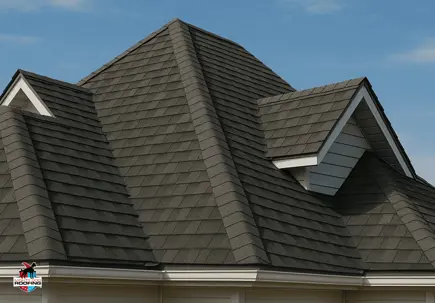
Roof pitch Delaware County residents deal with varies dramatically based on their home's architectural heritage, and grasping this crucial measurement shapes every roof slope material choices decision. The angle of your overhead structure dictates which products deliver lasting protection, satisfy code requirements, and shield your property through countless seasons. Mighty Dog Roofing guides homeowners through architectural roofing decisions by clarifying how steepness impacts all aspects of roof replacement options.
What Is Roof Pitch and How Is It Measured
This fundamental metric captures vertical elevation gained over horizontal distance, commonly written as ratios such as 6:12—indicating six inches upward for each twelve inches across. A roof pitch calculator offers homeowners preliminary measurements, though expert evaluation guarantees precision. Many property owners interchange "pitch" and "slope," yet both expressions convey identical structural characteristics.
Standard Angle Notations Explained:
- 4:12 translates to roughly 18.4 degrees
- 6:12 converts to approximately 26.6 degrees
- 8:12 measures around 33.7 degrees
- 12:12 creates a perfect 45-degree angle
Throughout Chadds Ford and surrounding Delaware County communities, typical measurements span from 4:12 on sprawling ranches to 12:12 on stately colonials. Municipal codes mandate minimum specifications tied to material choices, establishing this metric as foundational for any replacement endeavor.
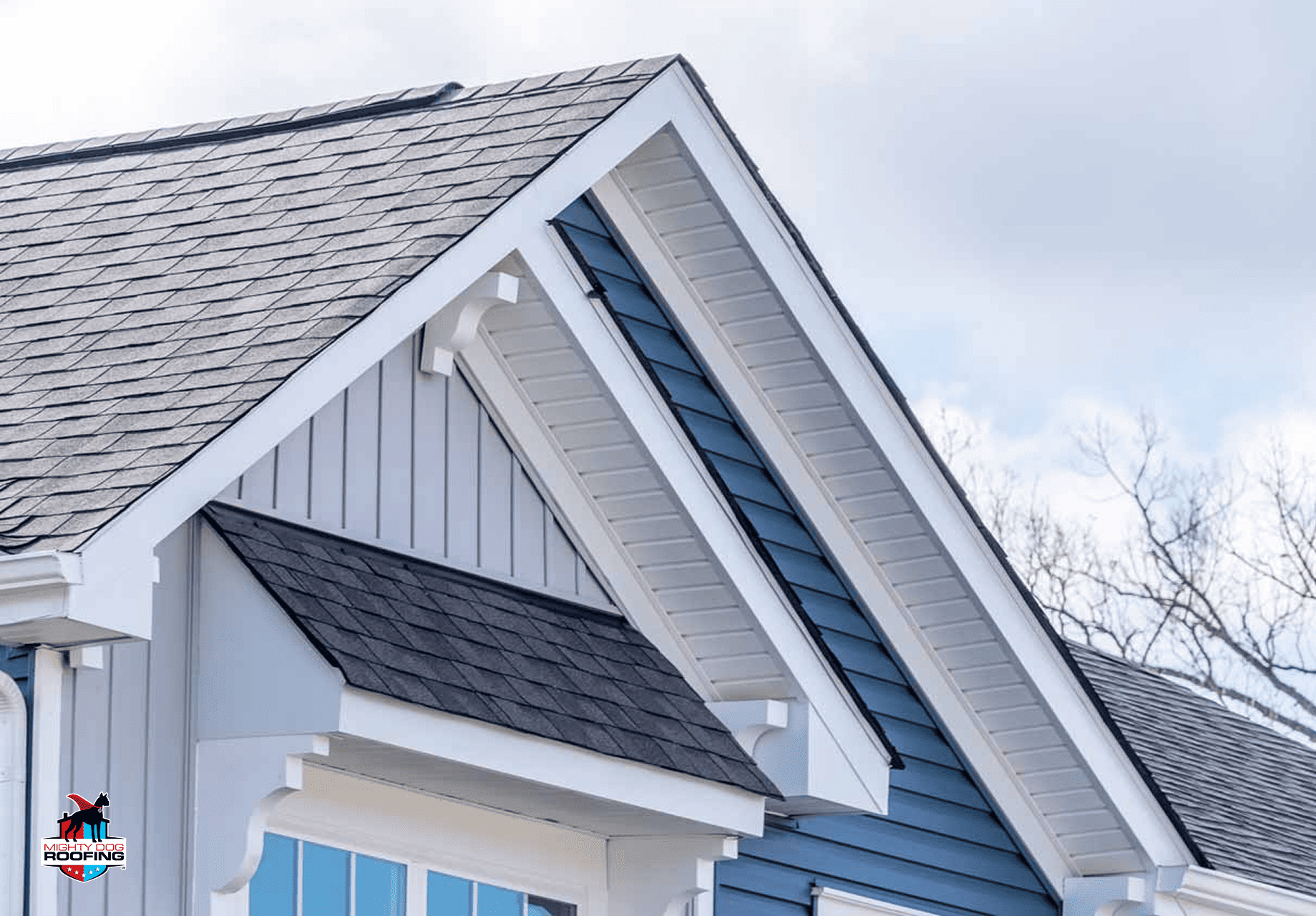
Roof Pitch Categories and Characteristics
Low-Slope Roofs (2:12 to 4:12)
Low slope roofing introduces distinct obstacles for Delaware County properties, especially concerning moisture evacuation. These configurations demand specialized membrane assemblies since conventional shingles fail against pooling water. Material alternatives remain constrained, and skilled technicians become essential. Upkeep grows increasingly important, and property owners should anticipate elevated material expenses to guarantee adequate weatherproofing against Pennsylvania's unpredictable conditions.
Medium-Pitch Roofs (4:12 to 8:12)
Moderate angles dominate residential construction across Delaware County and Chester County roof design traditions. These gradients encourage efficient drainage while welcoming virtually every material category. Project execution proves uncomplicated, upkeep stays manageable, and budgets remain reasonable. Pennsylvania's seasonal variations pair excellently with medium measurements, and crews access these surfaces safely with conventional gear.
Steep-Pitch Roofs (8:12 and higher)
Steep roof materials generate striking visual presence while enabling superior water evacuation. Nevertheless, project complexity escalates considerably, necessitating enhanced safety protocols and veteran crews. Despite premium pricing, aggressive angles provide exceptional wind defense and frequently yield functional attic areas. Numerous heritage homes near Kennett Square showcase dramatic measurements defining their distinctive character.
How Pitch Affects Material Selection
Roofing material selection hinges substantially on your structure's gradient since various products demand specific minimum slopes for optimal function. Producers establish these thresholds considering drainage dynamics and structural behavior. Additionally, municipal codes reinforce these parameters to shield homeowners from early system failures.
Essential Considerations for Gradient-Based Material Decisions:
- Producer-specified minimum slopes protecting warranty validity
- Load distribution throughout the framework
- Technique compatibility with angular surfaces
- Extended weather resilience projections
- Budget fluctuations tied to project intricacy
Partnering with a local roofing contractor such as Mighty Dog Roofing guarantees proper roofing materials align with your exact specifications. Delaware County's atmospheric patterns—encompassing substantial rainfall, heavy snowfall, and freezing conditions—necessitate thoughtful deliberation when choosing materials for any gradient category.
Roofing Materials for Low-Slope Roofs
Built-Up Roofing (BUR)
Built-up assemblies incorporate numerous alternating strata of bitumen and reinforcing textiles, crowned with aggregate or protective sheeting. This methodology suits low-gradient applications effectively, delivering 15-30 years of dependable service when expertly executed. Commercial structures commonly utilize BUR, although residential implementations exist. Projects demand professional proficiency, with expenditures generally spanning $3-$6 per square foot. Delaware County's atmospheric conditions require premium materials and meticulous execution.
Modified Bitumen
Modified bitumen delivers rolled material benefits alongside enhanced resilience for Pennsylvania's demanding weather cycles. Torch-applied and self-adhering application approaches accommodate diverse circumstances, while straightforward repair adds pragmatic value. This product endures 10-20 years at $3-$6 per square foot when professionally completed. Residential appropriateness positions modified bitumen favorably for low-gradient sections, although qualified professionals remain vital for warranty preservation.
EPDM and TPO (Rubber Roofing)
Single-membrane assemblies including EPDM and TPO provide outstanding results on low-gradient structures requiring minimal upkeep. These materials boast remarkable energy efficiency via reflective characteristics and persist 20-30 years. Projects involve bonding or mechanically securing expansive sheets, with pricing between $4-$8 per square foot. Expanding residential acceptance reflects growing homeowner recognition of these robust, climate-resistant alternatives.
Why Traditional Shingles Don't Work
Applying conventional asphalt shingles to low-gradient structures generates severe moisture penetration hazards damaging underlying frameworks. Producers invalidate warranties when shingles cover angles beneath their designated specifications, and building authorities prohibit such applications. Consequently, property owners must select purpose-designed alternatives for gentle slopes. A residential roofing company near you can clarify suitable materials for your circumstances.
Roofing Materials for Medium-Pitch Roofs
Asphalt Shingles
Asphalt shingles command medium-gradient projects spanning 4:12 to 8:12 thanks to exceptional value and adaptability. Three-tab varieties furnish economical coverage, whereas architectural shingles supply elevated aesthetics and extended warranties. Quality-dependent lifespans stretch from 15-30 years, with pricing between $3-$5 per square foot upon completion. Our specialists at Mighty Dog Roofing regularly suggest asphalt shingles for Delaware County property owners given climate compatibility and repair simplicity.
Metal Roofing
Standing seam and metal shingle alternatives thrive on medium gradients, providing remarkable longevity spanning 40-70 years. Energy conservation benefits trim cooling expenses, though initial investment reaches $7-$14 per square foot. Regardless, minimal upkeep demands and contemporary visual appeal draw numerous homeowners. Pennsylvania weather performance proves exceptional, with metal assemblies managing snow, precipitation, and gusts effectively. Many Chadds Ford homeowners appreciate this durable option.
Composite/Synthetic Shingles
Manufactured composite materials convincingly replicate slate, timber, or tile aesthetics while delivering superior impact and wind defense. These products persist 30-50 years at $8-$14 per square foot, establishing them as premium substitutes. Featherweight construction minimizes structural strain, and extensive warranties safeguard homeowner investments. Surging popularity throughout Chester County demonstrates appreciation for their endurance and aesthetic flexibility.
Wood Shakes and Shingles
Cedar shakes and shingles present organic visual charm complementing numerous architectural traditions. Most producers mandate minimum 4:12 measurements for proper function, with longevity reaching 20-40 years when owners commit to consistent upkeep. Pricing spans $6-$12 per square foot. Fire classification requirements and municipal ordinance awareness become critical factors before selecting timber products.
Roofing Materials for Steep-Pitch Roofs
Slate Roofing
Slate provides unparalleled authenticity for heritage home restorations throughout Delaware County's historic neighborhoods, including Kennett Square. Extraordinary longevity spanning 75-150+ years validates the substantial investment of $15-$30+ per square foot. Nevertheless, considerable weight mandates structural assessment and potential reinforcement before projects commence. Specialized expertise guarantees proper execution, while negligible upkeep maintains affordability despite initial outlay.
Clay and Concrete Tiles
Clay and concrete tiles introduce Mediterranean and Spanish visual character to steep configurations with impressive durability spanning 50-100+ years. These materials excel at channeling moisture and provide excellent fire resistance. Weight factors require structural verification, and project complexity elevates costs to $10-$25 per square foot. Modest Pennsylvania adoption mirrors regional climate tendencies, though correctly placed tiles perform admirably.
Metal Panels and Shingles
Vertical seam metal on steep configurations delivers superior moisture channeling alongside snow and ice shedding advantages. Lightweight composition relative to tile or slate decreases structural demands while providing cost-efficient longevity. Contemporary or heritage appearances satisfy varied tastes, and energy conservation remains consistent throughout every season. Chester County homeowners increasingly favor this versatile option.
Pitch and Water Drainage Performance
Gravitational forces naturally accelerate moisture flow on steeper angles toward collection systems, while low-gradient structures encounter pooling hazards that hasten material degradation. Ice dam development fluctuates markedly by measurement, with moderate slopes frequently experiencing heightened difficulties during Delaware County winters.
Drainage Configuration Factors by Gradient:
- Gutter dimensions must correspond with gradient and surface area
- Downspout capacity requirements expand with steeper angles
- Snowpack loads and melt cycles influence drainage timing
- Strategic system engineering prevents foundation compromise
Mighty Dog Roofing delivers professional evaluations examining your drainage configuration relative to your structure's gradient. Forestalling premature material breakdown begins with comprehending moisture movement across your particular design.
Installation Complexity and Costs by Pitch
Low-Slope Installation Challenges
Low-gradient projects require specialized contractor capabilities since waterproofing proves utterly essential for success. Seaming and sealing methodologies demand considerable expertise, frequently extending schedules beyond conventional projects. Elevated material expenses per square foot merge with scarce contractor availability to amplify total expenditures. Warranty stipulations render qualified professional selection imperative.
Medium-Pitch Installation Efficiency
Most contractors possess extensive medium-gradient project expertise, employing standard safety apparatus and streamlined methodologies. Accelerated timelines yield competitive pricing, while abundant contractor options afford homeowners flexibility. Material selection latitude permits balancing budgets, visual preferences, and performance priorities productively.
Steep-Pitch Installation Premiums
Safety apparatus mandates and deliberate work pacing on steep configurations append 20-50% labor cost premiums to projects. Specialized contractor proficiency ensures quality outcomes despite demanding angles. Material waste escalates when cutting for steep applications, and accessibility obstacles extend timelines. Coverage and liability considerations factor into contractor estimates.
Architectural Style and Pitch Norms
Delaware County's architectural tapestry encompasses colonial residences featuring 8:12 to 12:12 measurements, ranch properties showcasing 4:12 to 6:12 gradients, and Victorian structures displaying dramatic steep angles. Cape Cod configurations preserve moderate heritage traditions, while contemporary farmhouse flexibility welcomes diverse preferences. Community aesthetic cohesion and resale implications shape material and gradient selections, rendering professional design guidance invaluable for substantial undertakings.
Changing Your Roof Pitch: Possibilities and Costs
Modifying your structure's gradient proves sensible when expanding functional attic areas, resolving chronic drainage complications, or enabling alternative material possibilities. Nevertheless, structural alterations mandate engineering evaluation before advancement. Permit procurement and code adherence introduce additional project layers.
Gradient Modification Expense Variables
Variable | Budget Impact |
Structural reinforcement | $5,000–$15,000 |
Framing alterations | $8,000–$20,000 |
Fresh materials | $10,000–$25,000 |
Permits and engineering | $2,000–$5,000 |
Aggregate typical span | $15,000–$50,000+ |
A local contractor can assess practicality and furnish precise estimates for gradient alterations. Return calculations should incorporate elevated property value, enhanced energy conservation, and broadened replacement possibilities when determining whether this commitment proves worthwhile.
Pitch and Energy Efficiency Considerations
Your structure's gradient directly shapes attic ventilation volume, insulation accommodation, and solar panel positioning. Steeper measurements frequently yield greater insulation capacity and superior airflow, while flatter configurations may necessitate supplementary ventilation approaches. Delaware County climate enhancement involves reconciling summer heat control with winter ice dam avoidance, establishing R-value attainment and air barrier integrity as vital regardless of gradient.
Building Codes and Pitch Requirements
Pennsylvania residential codes mandate minimum gradient specifications correlated with chosen materials and regional circumstances. Delaware County snowpack requirements and wind uplift factors govern structural support parameters. Permit mandates apply to most undertakings, and Mighty Dog Roofing ensures adherence throughout every engagement. Professional counsel prevents resale inspection complications and insurance policy conflicts.
Determining Your Roof's Current Pitch
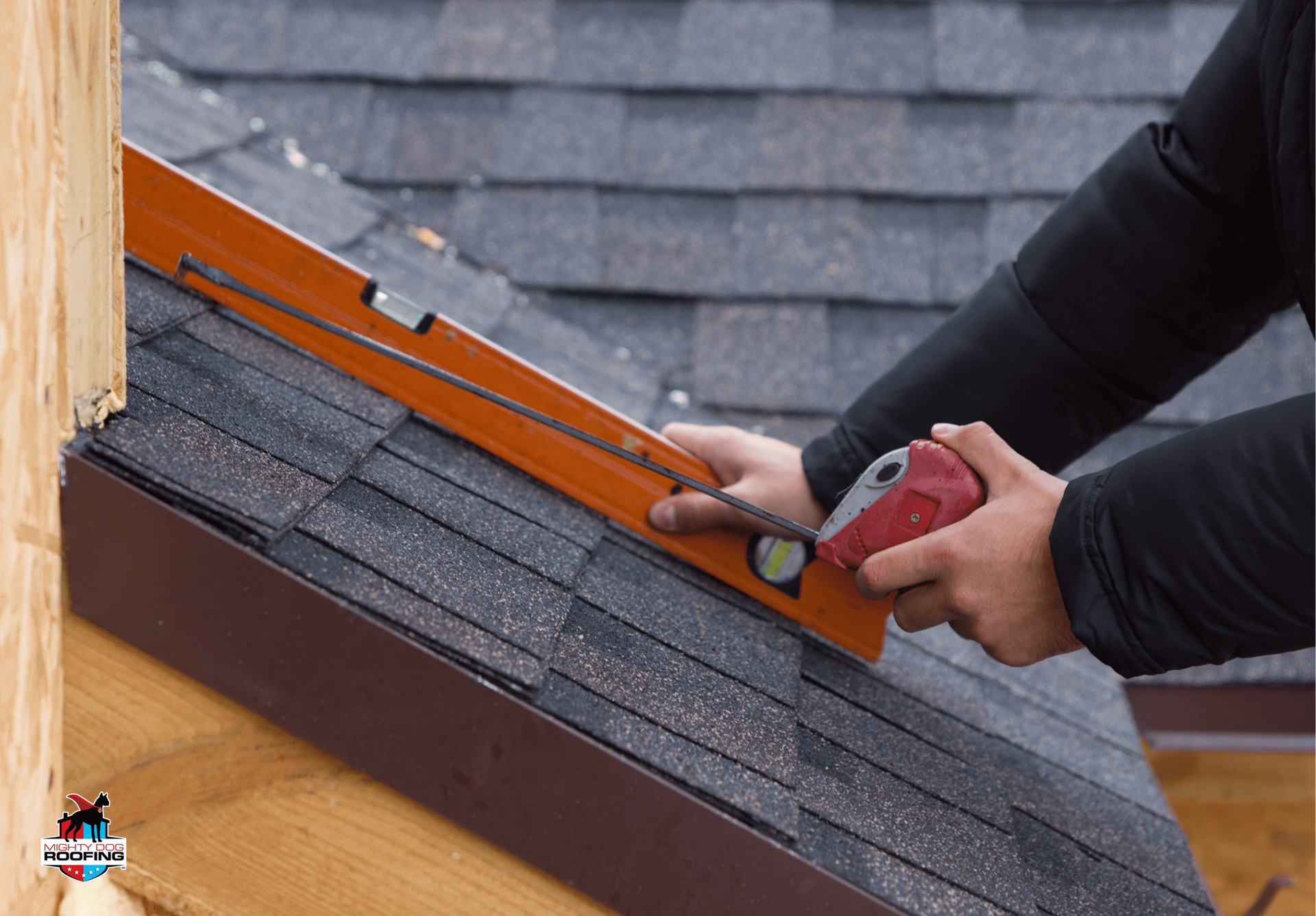
Property owners can gauge angles from attic spaces utilizing levels and measuring tapes, or apply exterior measurement approaches from ground positions. Calculator applications supply convenient approximations, though professional measurement delivers precision for planning objectives. Documentation supports future reference demands, insurance submissions, material selection strategizing, and property transaction records. A local contractor furnishes assessment services verifying your structure's precise specifications.
Making the Right Material Choice for Your Pitch
Producer specification adherence safeguards warranty protection while building code mandates ensure safety and function. Budget parameters, visual inclinations, and durability projections direct preliminary choices, while upkeep commitment influences extended satisfaction. Delaware County climate realities demand resilient materials, and property resale implications merit deliberation. Consulting with specialists furnishes tailored recommendations addressing your unique circumstances.
Understanding Pitch for Delaware County Homeowners
Our team furnishes expert gradient evaluation, material recommendations calibrated to your slope, and code compliance verification for every engagement. Structural assessments, refined methodologies, and producer specification adherence comprehensively protect your investment. Grasping your structure's measurement empowers selecting fitting materials, circumventing expensive errors, and maximizing function throughout your system's duration. Collaborating with seasoned contractors transforms replacement deliberations from bewildering to assured.