
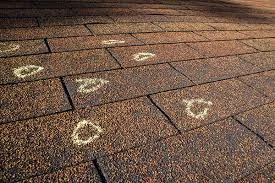
Storm damage in Longmont carries consequences unlike any other city in this series. The One Square Rule means hail damage exceeding 100 square feet triggers a full roof replacement. In cities where a 200-square-foot hail repair costs $2,500, the same damage in Longmont costs $12,000 to $18,000 for a full replacement. Longmont's 100,000+ residents along the St. Vrain Creek corridor also face flash flood exposure proven by the catastrophic 2013 flood ($150 million in infrastructure damage). The 110 mph sustained wind requirement, mandatory ice shield, and 3-tab ban create the strictest recovery standards on the Front Range. Understanding how the One Square Rule transforms every storm claim, identifying damage accurately, and navigating Longmont's code protects your home and your finances.
Storm damage on your Longmont roof? The One Square Rule determines your next step.
Call Mighty Dog Roofing of Downtown Denver at (720) 702-1572 for a free inspection with damage measurement.
Visit our Longmont service page or contact us online.
How the One Square Rule Transforms Storm Claims
In most cities, hail damage creates a repair claim. The contractor fixes the damaged area and the homeowner pays the deductible. In Longmont, any hail damage exceeding 100 square feet creates a replacement claim. The contractor replaces the entire roof with 110 mph-rated laminated shingles, mandatory ice shield, and full tear-off. The homeowner pays a replacement deductible. The difference is significant: a repair costs $1,200 to $3,000 while a replacement costs $9,500 to $18,000+. The One Square Rule means Longmont homeowners must carry insurance that covers full replacement for hail events. Policies that cover only repair are inadequate for Longmont's code. Review your coverage before storm season.
Types of Storm Damage in Longmont
| Threat | How It Damages Your Roof | Longmont-Specific Factor |
|---|---|---|
| Hail | Dislodges granules, fractures mat, cracks shingles | One Square Rule: >100 sq ft = full replacement. |
| Wind (110 mph) | Lifts tabs, tears ridge caps, drives rain under gaps | St. Vrain corridor. 110 mph rating required for all shingles. |
| Flash flood | Saturates deck, overwhelms gutters | 2013 flood: $150M damage. St. Vrain + Left Hand Creek. |
| UV radiation | Degrades granules, dries asphalt, cracks sealant | 4,979 ft elevation. 20% more intense than sea level. |
| Ice dams | Water backs up under shingles at eaves | Ice shield mandatory. Freeze-thaw cycles along creek corridor. |
The National Weather Service in Boulder tracks storms through the St. Vrain corridor. Colorado saw nearly 800 reports of hail over one inch in 2023. The May 2024 storm caused $1.9 billion in metro-wide damage. Hail resistance is tested against UL 2218 standards.

Do not wait. In Longmont, 100 square feet of damage changes everything.
Call (720) 702-1572 or visit our Longmont service page to schedule your free inspection.
Contact us by phone, email, or through our website.
What to Do After a Storm Hits Your Longmont Home
Step 1: Document and Measure
Walk your property. Photograph damage from the ground. Check gutters, cars, AC units, siding, and interior ceilings. Do not climb on your roof. The critical measurement in Longmont is the total damaged area. If it appears to cover more than a 10-by-10 section (100 square feet), you are likely facing a full replacement under the One Square Rule.
Step 2: Call for a One Square Rule Inspection
Contact Mighty Dog Roofing at (720) 702-1572. We measure the total damaged area with precision. Schedule a free inspection at any time.
Step 3: File Your Insurance Claim
The Colorado Division of Insurance provides resources. In Longmont, claims exceeding 100 square feet of damage must reflect full replacement scope: tear-off, 110 mph shingles, ice shield, drip edge, and ventilation. Claims filed as partial repairs above this threshold face rejection from the Building Inspection Division.
Step 4: Meet the Adjuster
We meet adjusters at your Longmont property with the damage measurement documented. Claims must specify laminated architectural shingles (no 3-tab) with 110 mph sustained wind warranty, mandatory ice shield, and full tear-off. Longmont Building Inspection at 385 Kimbark Street (303-651-8332) confirms all requirements.
Step 5: Permit and Begin Work
We file the permit and schedule the full tear-off. Longmont does not require mid-roof inspection for standard asphalt work, so the project proceeds without scheduling gaps. For full details, visit our roof replacement page. We handle gutter repair and installation. Our residential roofing page covers complete services.
The 2013 Flood: Longmont's Ongoing Storm Vulnerability
The September 2013 flood dropped over 17 inches of rain on the region. In Longmont, the St. Vrain Creek and Left Hand Creek burst their banks, cutting the city in two. The Royal Mobile Home Park was largely destroyed. Infrastructure damage reached $150 million. The city invested $140 to $160 million in the Resilient St. Vrain Project and earned UN recognition as the first U.S. Resilience Hub. Homes near the creek corridors that survived the flood carry lingering moisture damage in their decking and framing. This weakness compounds every subsequent hail and wind event. The U.S. Department of Energy recommends ventilation and insulation to manage moisture. Products certified by the Cool Roof Rating Council resist UV degradation at altitude. The EPA ENERGY STAR program recommends R-49 for Climate Zone 5.
Avoiding Storm Chasers in Longmont
Longmont's 100,000+ residents and One Square Rule attract storm chasers after every hail event. They arrive with materials and methods that work in other cities but fail in Longmont. They install 3-tab shingles (banned). They skip ice shield (mandatory). They attempt partial repairs above 100 square feet (not allowed). They use shingles without 110 mph sustained wind warranties (rejected at inspection). Every one of these failures costs the homeowner a second round of labor, materials, and permitting. Longmont's Building Inspection Division at 303-651-8332 enforces the strictest code in this series rigorously. Storm chasers also often fail to account for the overlay ban. They propose to install over existing layers to save cost, but Longmont requires full tear-off on every project. The tear-off exposes deck damage from the 2013 flood on St. Vrain corridor homes. Skipping it means installing new materials over compromised substrate. Mighty Dog Roofing of Downtown Denver is licensed, insured, and experienced with every Longmont requirement.
Longmont's Seasonal Storm Risk Calendar
Spring (March through April)
Schedule a professional inspection before hail season. Photograph your roof to establish baseline condition. Under the One Square Rule, before-and-after documentation proves the damaged area measurement that determines repair vs. replacement.
Summer (May through September)
Combined hail and flash flood season. Peak hail runs April through July. Flash floods hit the St. Vrain and Left Hand Creek corridors during intense thunderstorms. After every storm, photograph from the ground. If you see dents on AC units, cars, or gutters, call for a One Square Rule measurement immediately.
Fall (October through November)
Clean gutters. Check flashing sealant. Verify attic insulation and ventilation before winter. This is the ideal upgrade window to install Class 4 before next year's hail season.
Winter (December through February)
Monitor ice dam formation at eaves. Longmont's mandatory ice shield provides protection. Chinook freeze-thaw cycles stress flashing and sealant. Heavy Front Range snow loads test structural integrity on older homes.
Longmont Neighborhoods Most Exposed to Storm Damage
The St. Vrain Creek corridor faces combined hail and flash flood exposure. Left Hand Creek neighborhoods face the same dual threat. Downtown/Old Town homes face aging-stock vulnerability combined with creek proximity. Garden Acres, Prospect, and Fox Hill face open-terrain hail exposure on the city's eastern edge. Somerset and the Hover corridor face direct storm paths from northeast-tracking supercells. The Sandstone Ranch area faces open-terrain wind. Every Longmont neighborhood faces the One Square Rule equally, making hail damage more consequential here than in any other city in this series.
Frequently Asked Questions: Storm Damage in Longmont, CO
How does the One Square Rule change storm claims?
>100 sq ft damage = full replacement, not repair. Most hail events exceed this. Claims must reflect full replacement scope: tear-off, 110 mph shingles, ice shield.
What should I do after a storm?
Document from the ground. Call for a One Square Rule measurement. File your claim. Ensure your policy covers full replacement for Longmont's code.
How did the 2013 flood affect storm vulnerability?
$150M infrastructure damage. St. Vrain and Left Hand Creek cut the city in two. Flood-weakened decking compounds future hail and wind damage on creek corridor homes.
Why do storm chasers fail in Longmont?
3-tab banned. Ice shield mandatory. Partial repairs above 100 sq ft rejected. 110 mph wind required. Every code violation costs the homeowner a redo.
What storm damage is most common?
Hail triggers the One Square Rule most frequently. Wind along the St. Vrain corridor compounds damage. Flash floods (May-September) overwhelm gutters and saturate creek corridor homes.
In Longmont, 100 square feet of hail damage means a full replacement. Know your exposure before the next storm.
Call Mighty Dog Roofing of Downtown Denver at (720) 702-1572
Visit mightydogroofing.com
Reach us by phone, email, or through our online contact form. We are here to help.
The One Square Rule makes every storm in Longmont a higher-stakes event. Contact Mighty Dog Roofing of Downtown Denver today for your free inspection with One Square Rule damage measurement.