
Lakewood is Colorado's 5th most populous city with approximately 156,000 residents across 43 square miles in Jefferson County. The city stretches from the high plains to the foothills, with Green Mountain rising to 6,854 feet in the west-central portion. Incorporated in 1969 as one of the largest cities ever to incorporate in the United States, Lakewood is home to the Denver Federal Center (the largest concentration of federal agencies outside Washington, D.C.), the Belmar mixed-use district, Colorado Christian University, and Red Rocks Community College. With a median home value near $590,000 and significant housing stock from the 1969 through 1980 post-incorporation boom, roof repair in Lakewood follows a streamlined code with features distinct from neighboring cities. Lakewood was also ground zero for the May 2017 supercell that caused over $2.3 billion in metro-wide insured losses.
Need roof repair in Lakewood, CO?
Call Mighty Dog Roofing of Downtown Denver at (720) 702-1572 for a free inspection.
You also reach us online at mightydogroofing.com
The 2017 Supercell: Lakewood Was Ground Zero
On May 8, 2017, a massive supercell formed over the foothills and descended directly into Lakewood. The storm produced baseball-sized hail and tracked northeast through Wheat Ridge, Arvada, and Thornton. Lakewood took the initial and most intense hit. The event caused over $2.3 billion in metro-wide insured losses and remains one of the costliest hailstorms in Colorado history. Thousands of Lakewood roofs were damaged or destroyed. The National Weather Service in Boulder tracks these storms along the Front Range.
Colorado experienced nearly 800 reports of hail over one inch during the 2023 water year. Reports of baseball-sized hail surged nearly threefold since 2019. The May 2024 storm caused $1.9 billion in additional metro-wide damage. Lakewood's position at the foothills-to-plains transition means the city catches storms as they intensify. Hail resistance is tested against UL 2218 standards.
Common Roof Repair Problems in Lakewood
Hail Damage on Lakewood's 156,000-Person Housing Stock
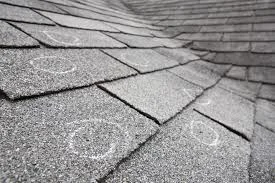
Hail dislodges protective granules, fractures the fiberglass mat, and creates soft spots that develop into leaks. Lakewood's diverse terrain means different neighborhoods face different exposure levels. Homes near Green Mountain, along the US-6 corridor, and in the western foothills-adjacent areas face the earliest storm impacts. Eastern Lakewood neighborhoods near Denver catch the same storms as they move northeast.
Wind Damage Along the US-6 and Colfax Corridors
Lakewood spans from the plains to the foothills. Wind funnels through the valleys and along the major east-west corridors. Chinook events from the foothills accelerate through Green Mountain's flanks. Wind lifts shingle tabs, tears ridge caps, bends flashing, and drives rain under gaps. The U.S. Department of Energy recommends proper ventilation to reduce wind-driven moisture stress.
Aging Post-Incorporation Housing Stock
A significant portion of Lakewood housing was built between 1969 and 1980 during the post-incorporation construction boom. These homes are now 45 to 55+ years old. Many have been re-roofed once or twice. Older homes face deck deterioration, outdated ventilation, and layered repairs that mask underlying problems. Products certified by the Cool Roof Rating Council resist UV degradation at altitude better than standard materials.
Spotted damage on your Lakewood roof? Do not wait.
Call (720) 702-1572 or visit our Lakewood service page to schedule your free roof inspection.
We also respond to email and online contact forms on our website.
Lakewood's Streamlined Roofing Code: What Sets This City Apart
The City of Lakewood Building Division handles permits through the eTRAKiT online portal. Lakewood follows the 2024 International Codes.
| Requirement | Lakewood Specification | How It Differs from Neighbors |
|---|---|---|
| Permit threshold | All reroofing (repairs under 1 sq exempt) | Standard threshold |
| Ice and water shield | NOT required (unless manufacturer specifies) | Many neighbors require it at eaves |
| Ice barrier underlayment | NOT required | Unique: double exemption on ice protection |
| Mid-roof inspection | Only for tile/metal (not asphalt shingle) | Many cities require mid-roof for all materials |
| Final inspection | Required for all projects | Standard |
| Drip edge | Required at eaves and gables | Standard |
| Low-slope underlayment | Double felt for slopes under 4:12 | Ice & Water Shield accepted as substitute |
| Flashing replacement | All damaged/rusted must be replaced | Standard enforcement |
| Permit portal | eTRAKiT online system | Electronic-only submittal |
| Snow load design | 30 psf minimum | Standard for Front Range |
Lakewood's most distinctive features are the double exemption on ice protection (neither ice and water shield nor ice barrier underlayment is required) and the asphalt-shingle exemption from mid-roof inspections. This creates the most streamlined repair process among the cities in this series. Projects move faster because there is no mid-roof scheduling gap for standard shingle work. The eTRAKiT electronic-only submittal system keeps permitting efficient.
What to Expect During a Roof Repair in Lakewood
Step 1: Free Inspection and Damage Assessment
We perform a comprehensive roof inspection. We photograph all findings and provide a written report for insurance claims. On Lakewood's post-1970s housing stock, we assess deck condition beneath the existing material.
Step 2: Estimate with Lakewood Specifications
We deliver a detailed estimate specifying drip edge, flashing replacement, underlayment matched to slope, and material options. Visit our residential roofing page for service details.
Step 3: Permit through eTRAKiT and Completion
We file the permit through eTRAKiT. For standard asphalt shingle repairs, no mid-roof inspection is required. We complete the repair and schedule the final inspection. You receive all documentation. We also handle gutter repair and installation.
Insurance Claims for Lakewood Roof Repair
The Colorado Division of Insurance provides resources for homeowners. On Lakewood homes valued near $590,000, a two percent wind and hail deductible means roughly $11,800 out of pocket. Lakewood's streamlined code (no ice shield, no mid-roof for asphalt) means claims reflect a different scope than neighboring cities with stricter requirements. Review your policy before storm season. The EPA ENERGY STAR program recommends R-49 insulation for Lakewood's Climate Zone 5.
Seasonal Maintenance for Lakewood Roofs
Spring (March through April)
Schedule a professional inspection before hail season. Clean gutters. Document your roof's condition for insurance.
Summer (May through September)
After storms, photograph indicators. The 2017 supercell hit Lakewood in May. Peak hail runs April through July.
Fall (October through November)
Clean gutters before winter. Check flashing sealant. Verify attic insulation and ventilation. Since Lakewood does not require ice shield, ensure adequate insulation prevents ice dam conditions.
Winter (December through February)
Watch for ice buildup at eaves. Contact a professional if water stains appear on ceilings after a thaw.
Lakewood Neighborhoods We Serve
We provide roof repair across all of Lakewood's 43 square miles: Green Mountain, Belmar, Bear Creek, Eiber, Applewood, Morse Park, O'Kane Park, Two Creeks, Carmody, Lakewood Country Club area, the Colfax corridor, the US-6/6th Avenue corridor, the Denver Federal Center area, and all surrounding neighborhoods. We handle full replacements when repairs are extensive.
Frequently Asked Questions: Roof Repair in Lakewood, CO
How much does roof repair cost in Lakewood?
Minor repairs: $400 to $1,800. Larger repairs: $1,800 to $6,000. Lakewood's streamlined code (no ice shield, no mid-roof for asphalt) reduces scope versus stricter cities.
Does Lakewood require ice and water shield?
No. Neither ice and water shield nor ice barrier underlayment is required unless the shingle manufacturer specifies it. This double exemption is unique among neighboring cities.
Does Lakewood require a mid-roof inspection for shingle work?
No. Mid-roof inspections apply only to tile or metal systems. Standard asphalt shingle work requires only a final inspection.
How did the 2017 supercell affect Lakewood?
Lakewood was ground zero. The storm formed over the foothills, descended into Lakewood with baseball-sized hail, and caused $2.3 billion in metro-wide losses. Thousands of roofs were damaged or destroyed.
What codes does Lakewood follow?
2024 International Codes. Permits through eTRAKiT. Drip edge required. Double felt for low slopes. All damaged flashing replaced. Final inspection required.
Your Lakewood home sits where the 2017 supercell hit first. Keep your roof ready for the next one.
Call Mighty Dog Roofing of Downtown Denver at (720) 702-1572
Visit us at mightydogroofing.com
We are ready to help by phone, email, or through our online contact form.
Lakewood is Colorado's 5th largest city with streamlined roofing codes and direct hail corridor exposure. The 2017 supercell proved the threat is real. Contact Mighty Dog Roofing of Downtown Denver today for your free roof inspection.