
Louisville is a home rule city in southeastern Boulder County with approximately 21,000 residents. The city sits at 5,335 feet elevation along the Denver-Boulder US-36 corridor. Louisville began as a coal mining town in 1877, with 30 mines operating within city limits at peak production. Today, the city holds a median household income of $147,319 and has been named one of the best places to live in America. Louisville is home to historic Downtown Louisville, Monarch High School, Coal Creek Golf Course, and Avista Adventist Hospital. The December 30, 2021 Marshall Fire changed everything. Colorado's most destructive wildfire destroyed 553 homes and damaged 45 others in Louisville alone, causing over $2 billion in total losses. The city is still rebuilding. Louisville now faces a dual threat no other city in this series shares: wildfire from the grasslands to the west and hail from the Front Range corridor to the east.
Need roof repair in Louisville, CO?
Call Mighty Dog Roofing of Downtown Denver at (720) 702-1572 for a free inspection.
You can also reach us online at mightydogroofing.com
The Marshall Fire: Louisville's Defining Event
On December 30, 2021, the Marshall Fire ignited near Marshall Road and spread into Louisville driven by 100+ mph wind gusts. The fire destroyed 553 homes and damaged 45 others in Louisville. Over 21,000 Louisville residents were evacuated. The fire burned 6,080 acres across Louisville, Superior, and unincorporated Boulder County, destroying 1,084 structures total. The event caused over $2 billion in insured losses and remains Colorado's most destructive wildfire.
Research from the Insurance Institute for Business and Home Safety found that up to 90 percent of structure ignitions in suburban wildfires come from ember cast. In Louisville, embers traveled on 100+ mph winds and ignited roofs through attic vents without screens, gutters filled with debris, gaps in soffits, and wood fences running up to homes. The fire proved that suburban roofs are the first line of defense against wildfire, and traditional hail-focused roofing alone is not enough for Louisville.
Common Roof Repair Problems in Louisville
Marshall Fire Heat and Ember Damage
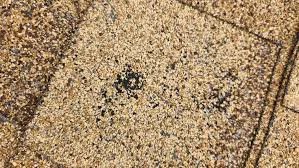
Homes near the fire perimeter that survived often sustained radiant heat damage. Heat degrades shingle granules, dries adhesive strips, and weakens underlayment. Ember exposure creates small punctures or melt spots. These homes need professional inspection to assess hidden damage.
Hail Damage Along the Denver-Boulder Corridor
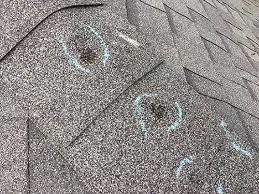
Louisville sits in the Front Range hail zone along the US-36 corridor. The National Weather Service in Boulder tracks storms through this area. Colorado saw nearly 800 reports of hail over one inch in 2023. The May 2024 storm caused $1.9 billion in metro-wide damage. Hail dislodges granules, fractures the fiberglass mat, and creates soft spots. Hail resistance is tested against UL 2218 standards.
Wind Damage and UV Degradation
Louisville's 115 mph wind speed rating reflects the extreme wind events proven by the Marshall Fire. The U.S. Department of Energy recommends proper ventilation and insulation for energy efficiency and moisture control. Products certified by the Cool Roof Rating Council resist UV degradation at altitude.
Spotted damage on your Louisville roof? Do not wait.
Call (720) 702-1572 or visit our service page to schedule your free roof inspection.
We also respond to email and online contact forms on our website.
Louisville's Building Codes: Post-Marshall Fire Standards
The Louisville Building Safety Division at (303) 335-4584 handles all permits. Louisville adopted 2024 ICC codes effective December 6, 2025.
| Requirement | Louisville Specification | Why It Matters |
|---|---|---|
| Code base | 2024 ICC codes (effective Dec 6, 2025) | Most current codes in this series |
| Wind speed rating | 115 mph with 3-second gusts | Marshall Fire proved 100+ mph events |
| Fire resistance | Enhanced for wildland-urban interface | Post-Marshall Fire lessons applied |
| Ember resistance | Screened vents, sealed soffits, fire-rated materials | 90% of suburban fire ignitions from embers |
| Rebuilding standards | Louisville Rebuilds program active | 553 homes rebuilding to new codes |
| Permit required | Yes, for all roofing projects | Standard requirement |
| Dual threat materials | Fire-rated AND hail-resistant recommended | Louisville's unique risk profile |
Louisville's post-Marshall Fire code environment prioritizes fire resistance alongside traditional hail protection. The 115 mph wind rating is not theoretical in Louisville: the Marshall Fire proved it. Screened attic vents, sealed soffits, and fire-rated materials are now essential components of any Louisville roofing project.
What to Expect During a Roof Repair in Louisville
Step 1: Free Inspection with Dual-Threat Assessment
We perform a comprehensive roof inspection. In Louisville, we assess both hail damage indicators and fire/heat exposure damage. We check attic vents for screening, soffits for gaps, and gutters for ember vulnerability.
Step 2: Estimate with Louisville Code Specifications
We deliver a detailed estimate accounting for Louisville's 2024 ICC codes, 115 mph wind rating, and dual-threat material needs. Visit our residential roofing page for service details.
Step 3: Permit, Repair, and Inspection
We file the permit with Louisville Building Safety. We complete repairs to manufacturer specifications with fire-rated and hail-resistant materials. We schedule the inspection. You receive all documentation. We handle gutter repair and installation and full replacements when repairs are extensive.
.jpg.webp)
Insurance Claims for Louisville Roof Repair
The Colorado Division of Insurance provides resources for homeowners. Louisville's post-Marshall Fire insurance environment is complex. Many policies now include wildfire-specific provisions. Class 4 hail-resistant shingles reduce premiums 15 to 28 percent. The EPA ENERGY STAR program recommends R-49 insulation for Louisville's Climate Zone 5. On Louisville homes with a median value corresponding to $147,319 household income, deductibles and coverage limits require careful review.
Louisville Neighborhoods We Serve
We provide roof repair across all of Louisville: Historic Downtown, the Via Appia area, Coal Creek neighborhoods, the Monarch High School area, neighborhoods along McCaslin Boulevard, the US-36 corridor, and all Marshall Fire-affected and unaffected areas. We serve both rebuilt homes and original structures.
Frequently Asked Questions: Roof Repair in Louisville, CO
How much does roof repair cost in Louisville?
Minor repairs: $450 to $2,000. Larger repairs: $2,000 to $6,500. Louisville's 2024 ICC codes and dual-threat materials affect scope and cost.
How did the Marshall Fire affect Louisville roofs?
553 homes destroyed, 45 damaged. 21,000 evacuated. Ember cast through attic vents, gutters, and soffits. Surviving homes sustained radiant heat damage reducing roof life.
What codes does Louisville follow?
2024 ICC codes (effective Dec 6, 2025). 115 mph wind speed rating. Enhanced fire resistance. Building Safety: (303) 335-4584.
Does Louisville face hail and wildfire?
Yes. The only city in this series with a documented dual threat: wildfire from the west (Marshall Fire) and hail from the east (Front Range corridor).
Should Marshall Fire survivors inspect undamaged homes?
Yes. Radiant heat degrades shingles, adhesive, and underlayment even without flame contact. Ember exposure creates punctures and melt spots. Professional inspection is essential.
Louisville faces wildfire and hail. The Marshall Fire proved one threat. Every storm season proves the other.
Call Mighty Dog Roofing of Downtown Denver at (720) 702-1572
Visit us at mightydogroofing.com
We are ready to help by phone, email, or through our online contact form.
Louisville's dual wildfire and hail exposure makes roof protection more critical here than anywhere else in this series. Contact Mighty Dog Roofing of Downtown Denver today for your free roof inspection.