

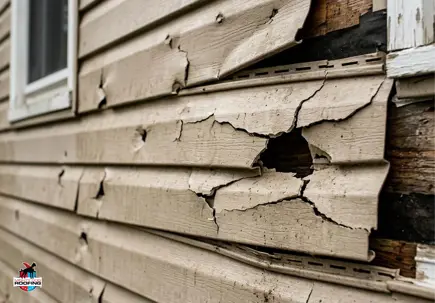
Malvern combines a walkable historic borough with surrounding neighborhoods in Willistown, East Whiteland, and Charlestown townships. Many homes in the area have siding that has been in place for 25 years or more, from original wood clapboard to first-generation vinyl and aluminum. Over time, that siding starts to show its age through fading, cracking, loose panels, and moisture damage.
Replacing siding with modern vinyl is one way to refresh a home’s appearance and protect its walls. For Malvern homeowners considering vinyl siding replacement, understanding the condition of the existing exterior is the first step. This guide explains when it’s time to replace, what happens to the old material, and how to make good decisions about your new siding.
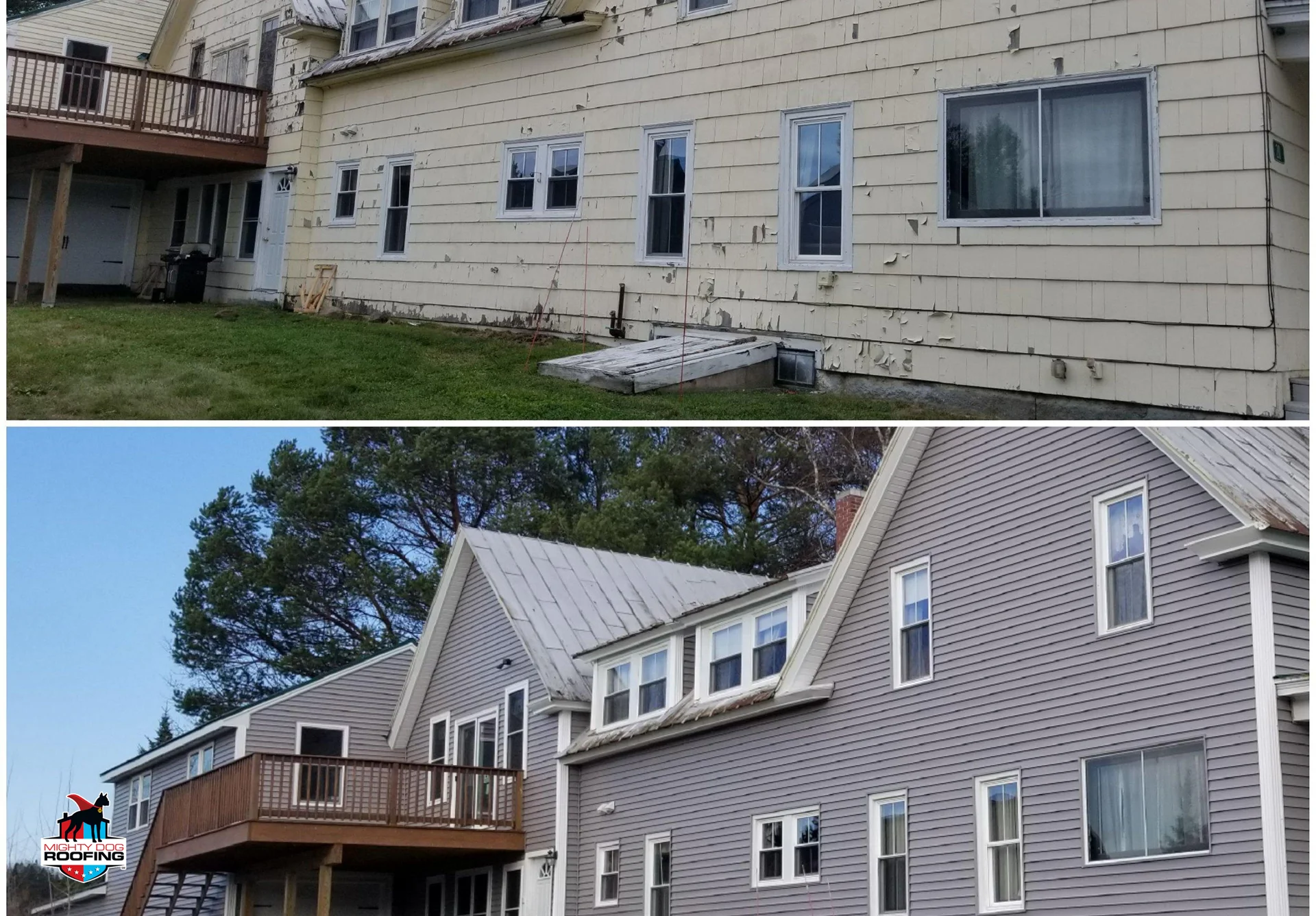
Signs Your Malvern Home Needs New Siding
Not every siding issue requires full replacement. But when several of these signs show up together, replacement is usually the better long-term choice:
Sign | What It Looks Like | What It Usually Means |
Fading and chalking | Color looks washed out; a powdery residue rubs off | The surface has broken down from UV exposure |
Cracked or broken panels | Splits, holes, or missing pieces | Panels became brittle with age or were hit in cold weather |
Warping or buckling | Wavy panels or sections bulging outward | Siding was nailed too tight or exposed to heat |
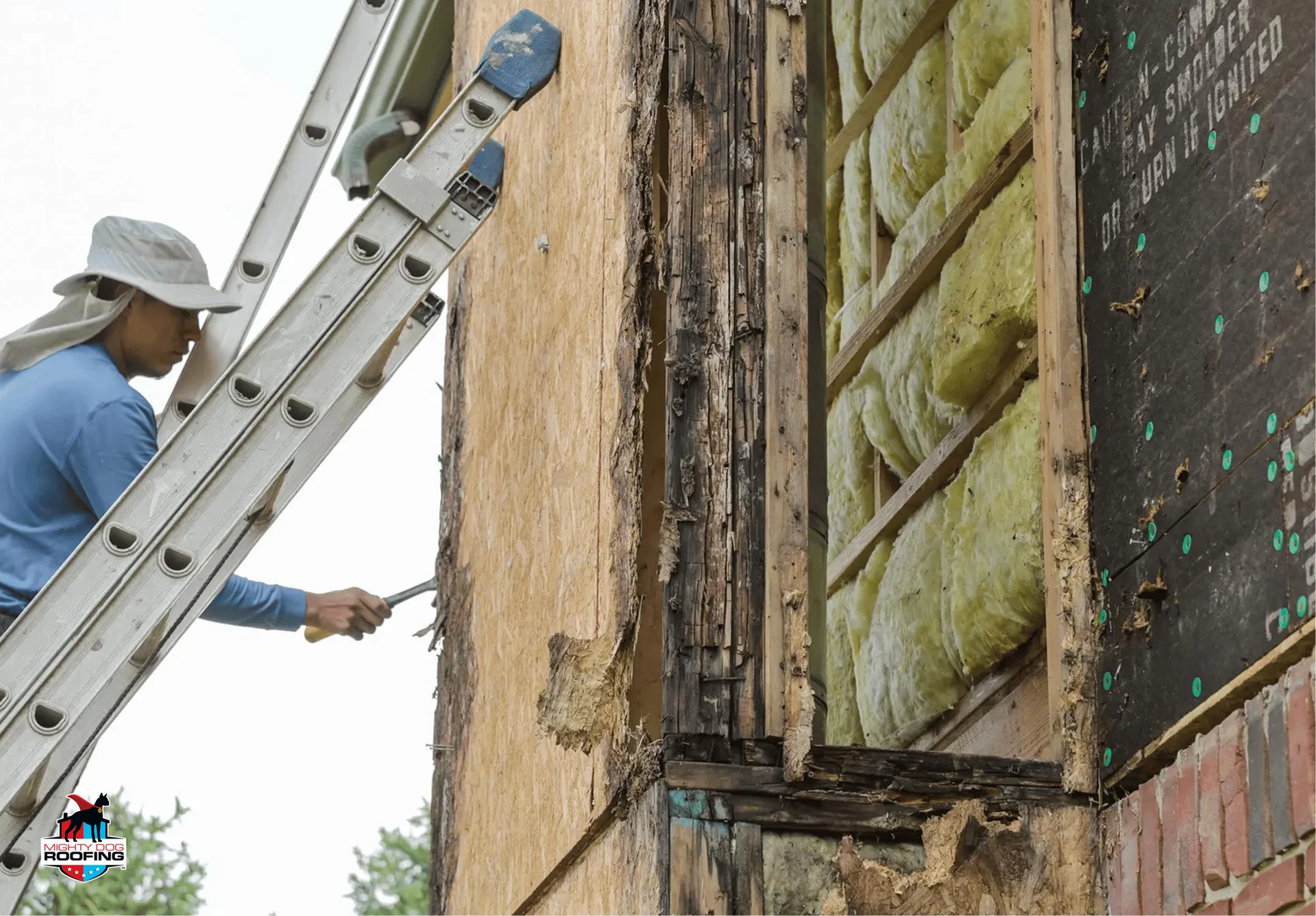
Rot or soft spots | Spongy wood siding, trim, or sheathing | Water has been getting behind the siding |
Peeling paint on wood | Paint failing within a few years of repainting | Moisture, surface preparation, or coating problems may be involved |
Rising energy bills | Drafts near outlets or exterior walls | Air leakage or inadequate insulation may be contributing |
Mold or mildew inside | Stains or musty smells on interior walls | Possible moisture intrusion or condensation requiring investigation |
If your siding needs constant repairs, or if you can’t find matching replacement panels for older vinyl, a full replacement can be more cost-effective over time than repeated repairs.
Replacing Wood or Aluminum Siding With Vinyl
Many older Malvern homes still have wood or aluminum siding. Switching to vinyl eliminates the need for regular exterior painting and, when installed with a properly integrated weather-resistant barrier, helps protect the home's walls from moisture.
Moving From Wood Siding
Wood siding looks great when it’s maintained, but it needs scraping, priming, and painting every several years. When wood starts to rot, the repairs add up quickly. Switching from wood to vinyl siding in a lap or Dutch lap profile can preserve a traditional appearance while eliminating the need for regular exterior painting.
For homes in Malvern’s historic district, check with the borough before changing siding materials. Some properties have guidelines about exterior appearance, and early review helps avoid delays.
Moving From Aluminum Siding
Aluminum siding was popular in the mid-1900s. Today, it often has dents, faded paint, and loose panels that rattle in wind. Vinyl siding does not develop the same types of dents as aluminum, generally requires no repainting, and can reduce some of the rattling associated with loose metal panels.
Should Old Siding Be Removed or Covered?
Some contractors offer to install new vinyl directly over existing siding. While this can lower the price, it usually isn’t the best choice for older homes.
Approach | Advantages | Disadvantages |
Full tear-off | Allows inspection and repair of sheathing; installs a new weather barrier; creates a flat surface | Higher labor cost and longer project time |
Overlay (cover existing siding) | Lower upfront cost and less debris | Hides rot and moisture damage; can create an uneven wall; may cause trim and window depth problems |
Old siding removal lets your contractor see what’s happening underneath. Water damage, rotted sheathing, and missing flashing can be corrected before new siding goes on, which protects your investment.
What the Siding Replacement Process Looks Like
Homeowners researching how to replace vinyl siding should understand that a complete replacement involves more than installing new panels. Professional vinyl siding installation includes evaluating the wall underneath, correcting damaged areas, and integrating flashing and weather protection.
Inspection and estimate. The contractor looks at the siding, trim, windows, gutters, and roof edges, then prepares a written scope.
- Material selection. You choose the vinyl product line, profile, color, and trim.
- Removal of old siding. The crew removes old material and disposes of it.
- Sheathing repairs. Rotted or damaged areas are replaced.
- House wrap and flashing. A new weather-resistant barrier is installed, with flashing at windows, doors, and roof-to-wall areas.
- Vinyl installation. Trim, starter strip, and panels are installed with room for expansion.
- Cleanup and walkthrough. The site is cleaned and the finished work is reviewed with you.
If you’re searching for siding contractors near me, start by comparing companies experienced with older Malvern homes. When comparing siding replacement options, look for a siding contractor in Malvern, PA, who can explain whether a full tear-off or overlay is appropriate for your home and why. When comparing estimates for siding installation and replacement, ask each company to include that recommendation in writing.
Fix the Water Sources Before New Siding Goes On
When old siding is damaged by water, the cause is often nearby. Overflowing or leaking gutters can soak the walls below them and wear out siding and trim faster. Checking the gutter system during the project helps prevent repeat damage. If gutters are pulling away from the fascia or overflowing in heavy rain, plan gutter repair and installation at the same time.
Roof edges are another source of water. Damaged drip edge, worn step flashing, and missing kick-out flashing where a roof meets a wall can direct water straight into the siding. These issues can be corrected with targeted roof repair services before the new siding is installed.
Is November a Good Time to Replace Siding?
Late fall is a practical time to start a siding replacement project in Malvern. The weather is often still workable for installation, and contractors who install vinyl in cooler temperatures adjust for the material’s stiffness by cutting carefully and leaving extra room for expansion.
Even if installation waits until spring, November is a good month to request estimates, compare product lines, and confirm any borough or township requirements. Homeowners who plan ahead are usually among the first on the spring schedule.
Replacing old siding with vinyl gives your Malvern home a cleaner look, lower maintenance, and better protection from the weather. With a full inspection, a proper tear-off, and attention to gutters and roof edges, new siding can serve your home well for decades.