
What should homeowners expect during a professional roof inspection?
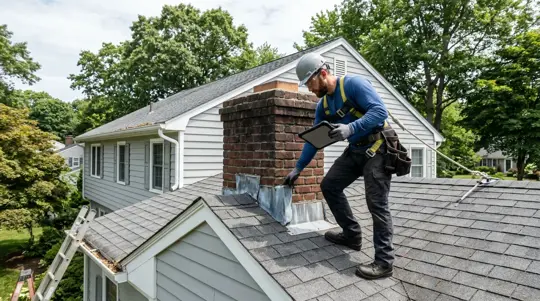
Homeowners should expect a professional roof inspection to assess the roof surface, flashing, vents, penetrations, drainage, visible structure, workmanship, and accessible attic areas. The inspector may document findings with photos and a written summary. Roof access, pitch, weather, and safety conditions will determine how the inspection is performed.
What Areas Does a Professional Roof Inspection Cover?
A professional roof inspection is a systematic evaluation of the roofing system rather than a quick look at the shingles. The inspector examines accessible components for damage, deterioration, installation concerns, and other conditions that could affect the roof’s performance.
The inspection typically includes:
Roof surface: Shingles or other roofing materials are checked for cracking, curling, lifting, displacement, excessive wear, and missing sections.
Flashing: Metal installed around chimneys, walls, valleys, skylights, and other transitions is examined for gaps, corrosion, movement, or improper installation.
Vents and penetrations: Plumbing vents, exhaust vents, fasteners, boots, and sealants are reviewed for deterioration or openings that may allow water intrusion.
Drainage components: Gutters, downspouts, valleys, and roof edges are assessed for debris, poor drainage, damage, or signs that water is not moving away effectively.
Visible structure: The inspector looks for sagging, uneven rooflines, soft areas, or other visible conditions that may indicate a structural concern.
Workmanship: Installation details are evaluated to identify improper fastening, poorly placed materials, or repairs that may not perform as intended.
A roof can appear acceptable from the ground while still having concerns around flashing, penetrations, or less-visible slopes. That is why a detailed inspection considers how all accessible components work together.
Will the Inspector Enter the Attic?
When an attic is present and safely accessible, it is often an important part of the inspection. The attic can reveal conditions that are difficult or impossible to identify from the exterior alone.
An inspector may look for water staining, active moisture, damaged roof decking, visible openings, inadequate ventilation, or compressed and displaced insulation. Rusted fasteners, darkened wood, or staining near vents and penetrations can also help identify where water may have entered.
Attic observations provide useful context, but access is not always possible. Finished ceilings, limited entry points, stored belongings, low clearance, or unsafe conditions may restrict the inspection. Any inaccessible areas should be identified in the final summary so the homeowner understands the inspection’s scope.
For homes in Ridgefield, Connecticut, examining both exterior and accessible interior areas can be especially helpful after strong winds, heavy precipitation, falling branches, or seasonal temperature changes.
How Do Access, Weather, and Safety Affect the Inspection?
The inspector must be able to evaluate the roof without creating unnecessary risk or damaging roofing materials. A steep pitch, multiple roof levels, fragile surfaces, wet conditions, ice, high winds, or limited ladder placement can affect whether every section can be walked safely.
When direct access is not appropriate, the inspector may use observations from the ground, a ladder at the roof edge, windows, or other safe vantage points. These methods can still provide valuable information, although certain details may remain out of view. The report should explain any limitations.
Weather also affects what the inspector can observe. Rain may reveal active drainage or leakage concerns, but it can make walking the roof unsafe. Snow or debris may conceal roofing materials. In those situations, a follow-up evaluation under safer or clearer conditions may be appropriate.
Homes throughout Ridgefield and Fairfield County vary in height, pitch, architecture, and surrounding tree coverage. A professional inspection method should therefore be adapted to the individual property rather than following an identical access routine for every home.
What Happens After the Roof Inspection?
After examining the accessible areas, the inspector may take photographs to document visible conditions. Photos help homeowners understand where a concern is located and distinguish isolated damage from broader wear.
Homeowners should also expect a written summary that identifies the areas inspected, notable observations, access limitations, and items that may require attention. Depending on the findings, the next step could involve monitoring a minor condition, completing a targeted repair, investigating possible moisture intrusion, or discussing roof installation when the existing system has widespread deterioration.
The report should give homeowners practical information for planning—not simply state that the roof passed or failed. It can also support decisions involving related exterior projects. For example, flashing details may need coordination during skylight installation, while roof-edge conditions can matter when planning siding installation or window installation.
In short, homeowners can expect a careful review of the accessible roofing system, clear documentation, and an explanation of any conditions that could not be fully evaluated.
FAQ
How long does a professional roof inspection take?
The time required depends on the roof’s size, pitch, complexity, accessibility, attic access, and visible conditions. A larger or more complex roofing system generally requires a more detailed evaluation.
Does a roof inspection always require walking on the roof?
No. Steep slopes, wet materials, ice, wind, fragile surfaces, or limited access may make walking unsafe. Inspectors can use other suitable vantage points and document resulting limitations.
Should homeowners attend the roof inspection?
Attendance is not always required, but being available afterward can be helpful. Homeowners can review photographs, ask questions, and clarify any recommended repairs, monitoring, or further evaluation.
Can an inspection determine whether roof replacement is necessary?
An inspection can identify widespread wear, damage, and installation concerns that may support considering replacement. The recommendation should reflect the observed roof condition, access limitations, and repair feasibility.
What should homeowners expect during a professional roof inspection?
Homeowners should expect a professional roof inspection to evaluate the roof surface, flashing, vents, penetrations, drainage, visible structure, workmanship, and accessible attic areas. The inspector may take photos and provide a written summary of concerns. In Ridgefield, roof access, pitch, weather, and safety conditions can affect how the inspection is completed.
Conclusion
A professional roof inspection should evaluate accessible exterior and attic components, document visible concerns, and explain how weather, pitch, access, or safety affected the process. Homeowners should finish with a clearer understanding of their roof’s condition and any reasonable next steps.