
If you’ve ever requested multiple roofing estimates in Fairfield County, you may have noticed something frustrating: the prices can be wildly different. One contractor may quote a price that’s thousands of dollars lower—or higher—than another for what seems like the same job.
For Ridgefield homeowners, understanding why roofing estimates vary is essential to making a confident, informed decision. The truth is, roofing estimates are rarely apples-to-apples, and price differences usually reflect meaningful differences in materials, labor, and long-term performance.
Roofing Materials Make a Big Difference
Not all roofing materials are created equal, even when they look similar from the ground. Estimates may vary based on:
- Shingle brand and product line
- Wind ratings and impact resistance
- Underlayment type and thickness
- Ice and water shield coverage
- Flashing materials (aluminum vs. copper or steel)
Higher-quality materials typically cost more upfront but provide better protection against Connecticut’s harsh winters and storms.
Roof Design and Complexity
Ridgefield homes often feature:
- Steep roof pitches
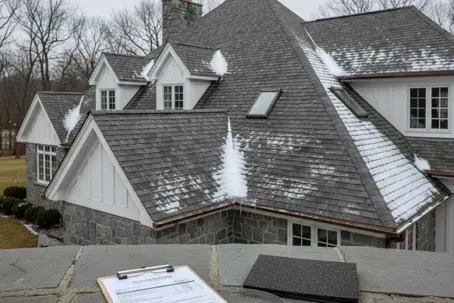
- Multiple valleys and dormers
- Skylights and chimneys
- Older framing or decking
Each of these increases labor time, safety requirements, and installation complexity. Two homes with the same square footage can have very different costs depending on design.
Labor Costs in Fairfield County
Labor rates in Fairfield County are higher than in many parts of the state due to:
- Cost of living
- Skilled labor demand
- Insurance and workers’ compensation costs
Experienced, properly insured contractors must account for these realities, which directly impacts pricing.
Code Compliance and Required Upgrades
Connecticut building codes often require:
- Ice and water shield at eaves and valleys
- Proper attic ventilation
- Replacement of damaged roof decking
- Updated flashing details
Some low estimates may exclude these items entirely, leaving homeowners exposed to future problems—or code violations.
Why the Lowest Estimate Can Cost More Long-Term
A low bid may seem attractive, but it often comes with trade-offs:
- Reduced material quality
- Incomplete underlayment
- Poor ventilation
- Minimal or no workmanship warranty
These shortcuts can lead to leaks, premature failure, and expensive repairs.
What a Trustworthy Roofing Estimate Should Include
A professional estimate should clearly outline:
- Exact materials being used
- Scope of work
- Code compliance details
- Warranty coverage
- Cleanup and disposal
At Mighty Dog Roofing of Ridgefield, we believe clarity builds trust. Our estimates are detailed so homeowners understand exactly what they’re getting—and why it matters.