
What is the most common problem with roof shingles?
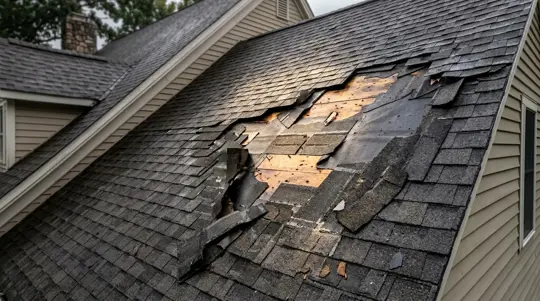
The most common problem with roof shingles is damage caused by extreme weather, including hail, high winds, heavy rain, and other severe weather events. These conditions can crack, loosen, curl, lift, or remove shingles, leaving a roof more vulnerable to leaks, moisture intrusion, and long-term structural damage if not addressed promptly.
How Severe Weather Damages Roofing Shingles
Roof shingles are designed to protect a home from the elements, but they are constantly exposed to changing weather conditions. Over time, severe weather can weaken shingles and reduce their ability to protect the roof system effectively.
High winds are one of the most common causes of shingle damage. Strong gusts can lift the edges of shingles, break their seal, or tear them away completely. Once shingles become loose or missing, the underlying roofing materials are exposed to water and moisture.
Hail can also cause significant damage. Even small hailstones may create dents, cracks, or granule loss on asphalt shingles. Larger hailstones can cause immediate visible damage that may shorten the lifespan of the roof.
In areas such as Ridgefield, Connecticut, homeowners experience a variety of seasonal weather conditions throughout the year. Winter storms, heavy rain, and occasional high-wind events can all contribute to shingle wear and deterioration over time.
What Signs Indicate Shingle Problems?
Recognizing roof shingle issues early can help prevent more extensive repairs. Some signs are easy to spot from the ground, while others may require a professional roof inspection.
Common indicators of shingle damage include:
Missing shingles
Cracked or broken shingles
Curled or buckled shingles
Loose shingle tabs
Granules collecting in gutters
Dark patches on the roof surface
Visible roof leaks or water stains inside the home
Not all damage is immediately obvious. After a severe storm, shingles may appear intact while still sustaining hidden damage that affects their performance. This is why inspections following major weather events can be valuable.
Granule Loss and Aging
Asphalt shingles contain protective granules that shield the roof from ultraviolet rays and weather exposure. Over time, these granules naturally wear away. However, severe weather can accelerate this process.
Excessive granule loss may leave shingles vulnerable to faster deterioration and reduced weather resistance. Homeowners may notice granules accumulating in downspouts or gutters as an early warning sign.
Why Weather-Related Shingle Damage Should Not Be Ignored
Weather-related shingle damage can lead to larger roofing issues if left untreated. A single missing or damaged shingle may seem minor, but it can create an entry point for water.
Potential consequences include:
Roof leaks
Water damage to attic spaces
Mold and mildew growth
Damaged insulation
Wood rot within the roof structure
The longer damage remains unaddressed, the greater the risk of additional repairs becoming necessary. Regular inspections and maintenance can help identify concerns before they become more serious.
For homeowners in Fairfield County and Ridgefield, seasonal weather changes make routine roof evaluations especially important.
How Can Homeowners Protect Their Roofing System?
While no roofing system can completely prevent weather-related wear, homeowners can take steps to minimize the risk of shingle problems.
Helpful maintenance practices include:
Schedule regular roof inspections.
Inspect the roof after major storms.
Keep gutters clear of debris.
Address damaged shingles promptly.
Trim overhanging tree branches that may impact the roof during storms.
Professional inspections can identify issues that may not be visible from the ground and help determine whether repairs or roof installation services are necessary.
In some cases, homeowners may also choose to evaluate other exterior components such as siding installation, window installation, or skylight installation projects when assessing overall weather protection for the home.
Can Weather Damage Affect New Roofs?
Yes, even relatively new roofs can experience shingle damage when exposed to severe weather conditions. While newer roofing materials are designed for durability, no roof is completely immune to extreme environmental forces.
High winds, hail impacts, and falling debris can affect roofs regardless of age. However, properly installed roofing systems generally provide better resistance and may reduce the likelihood of premature damage.
Routine maintenance remains important throughout the lifespan of any roof, whether it was installed recently or has been protecting the home for many years.
FAQ
Can high winds damage shingles even if none are missing?
Yes. High winds can loosen shingle seals, lift edges, and weaken shingles without completely removing them. Damage may not always be visible from the ground.
How often should a roof be inspected for shingle damage?
Many homeowners benefit from annual roof inspections and additional inspections following severe weather events that may have affected the roofing system.
What causes shingles to curl or buckle?
Curling and buckling can result from aging, moisture exposure, poor ventilation, or repeated weather-related stress over time.
Are missing shingles always a sign of storm damage?
Not always. Missing shingles can result from storm activity, but age, installation issues, and long-term wear may also contribute to shingle loss.
What is the most common problem with roof shingles?
Extreme weather is one of the most common causes of roof shingle damage. High winds, hail, heavy rain, and temperature fluctuations can loosen, crack, curl, or remove shingles over time. In Ridgefield and surrounding communities, regular roofing inspections can help identify weather-related issues before they lead to more extensive damage and larger roofing concerns.
Conclusion
Weather-related damage is the most common problem affecting roof shingles. High winds, hail, heavy rain, and other severe weather events can weaken, loosen, crack, or remove shingles, increasing the risk of leaks and further roof deterioration.