
Where Is the Celebration Located and What Accommodations Work Best?
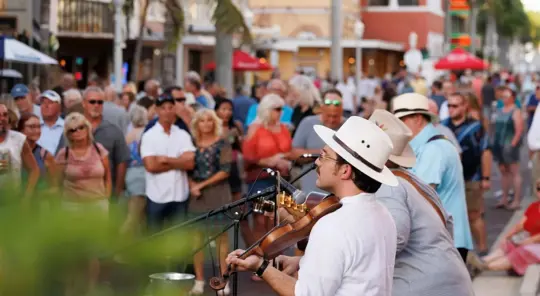
Navigating a major cultural event for the first time requires clear geographic direction and strategic lodging choices. The annual Southwest Florida summer street festival is moving into the absolute center of the historic River District in Fort Myers. Centered directly in front of the Sidney & Berne Davis Art Center at 2301 First Street, the main festivities occupy the local asphalt corridors of First Street and Lee Street. For an individual participating in the activities, choosing a hotel within walking distance reduces the stress of local traffic blockades and limited event parking.
The Luminary Hotel & Co., situated right along the riverfront, positions an attendee just two blocks away from the main gathering points. This specific location permits a quick retreat from the afternoon humidity. For dining, visitors can secure reservations at The Standard Restaurant, which acts as the official hub for the Sunday morning brunch gathering. Early planning for these local spaces prevents long wait times, as the influx of regional visitors impacts the immediate downtown hospitality sector.
What Strategic Preparations and Clothing Choices Prevent Physical Exhaustion?
Participating in an outdoor summer event along the Gulf Coast introduces severe environmental challenges, specifically extreme heat and sudden subtropical downpours. A first-time attendee must prioritize physical comfort by selecting light, breathable fabrics and supportive footwear suitable for hours of standing on hot city pavement. Bright colors and expressive accessories define the gathering, but physical safety remains dependent on heat mitigation strategies. Bringing a portable fan, high-UV sunglasses, and a compact umbrella provides essential personal shelter from the intense mid-June sun.
Hydration plays an explicit role in how the body handles a full day of outdoor exposure. The celebration begins in the afternoon and stretches into the late evening hours, meaning individuals face peak thermal radiation. Drinking water consistently throughout the prior morning counteracts the dehydrating effects of walking through unshaded street routes. Knowing the layout of the River District also helps, as public cooling areas and local establishments like Millennial Brewing Company on Royal Palm Avenue offer nearby air-conditioned environments to rest.
How Does the Intense June Climate Affect the Infrastructure Supporting These Events?
The heavy solar radiation that warms the downtown streets during summer festivities is a constant factor for the surrounding properties. While attendees utilize umbrellas and shade structures for temporary relief, commercial and residential structures absorb this extreme heat continuously. Unchecked thermal absorption stresses local buildings, accelerating the deterioration of external protective layers. When a roof undergoes this constant temperature shifting, the underlying materials expand and contract, leading to hidden structural strain.
Unprotected exposure to the intense Florida sun degrades standard building envelopes over time. Property owners minimize these climate effects by implementing a proactive Roof Inspection to identify thermal cracking before tropical storm systems arrive. Neglecting these minor structural changes results in immediate water intrusion when summer downpours hit the coast. Property managers who track these environmental impacts understand that local building health requires consistent monitoring to combat the accelerated aging caused by regional weather.
Why Are Local Property Owners Turning to Sustainable Energy Solutions This Season?
The relationship between intense seasonal heat and rising energy demands creates a direct economic challenge for regional homeowners. High outdoor temperatures force air conditioning systems to operate at maximum capacity, resulting in elevated monthly expenditures. To mitigate these rising costs, residential properties utilize the abundant sunshine by transitioning toward advanced solar installation and replacement initiatives. This shift converts a harsh environmental liability into a direct source of clean power for the household.
Harnessing the sun protects the property framework while optimizing overall energy efficiency. Modern solar setups act as a physical barrier, absorbing the brunt of the radiation before it reaches the traditional roofing materials. To support these setups, homeowners often upgrade to resilient residential roofing systems that stabilize the solar infrastructure. For properties with aging configurations, scheduling a comprehensive assessment determines if the current roof can support the modification or if a roof maintenance program is required to reinforce the decking.
How Do Sudden Coastal Storms Create Modern Property Management Obstacles?
Summer in Southwest Florida involves a rapid transition from bright sunshine to severe, wind-driven rainstorms. These sudden atmospheric changes put immense pressure on localized drainage networks and roof perimeters. When a storm deposits inches of water within an hour, a functional gutter repair and installation setup becomes the primary defense against localized pooling and foundation erosion. Blocked or damaged channels fail to redirect the deluge, causing water to back up directly beneath the roofline shingles.
When extreme weather events surpass standard thresholds, immediate structural breaches can occur without warning. Homeowners facing sudden leaks or structural compromises rely on specialized emergency roofing teams to deploy temporary tarps and secure the perimeter against further deterioration. Addressing these vulnerabilities immediately prevents moisture from compromising internal drywall and support beams. Managing a home through the volatile summer season requires consistent vigilance, balancing the rewards of regional events with the realities of coastal weather protection.
Since 2008, Mighty Dog Roofing has supplied the technical skill required to protect the buildings serving America's most sun-drenched communities. Progressing through the summer season requires a partnership with professionals who value the property and the timeline, examining every component to meet the rigorous demands of the coastal environment. Solving these problems early stops the weather decay cycle from threatening the life of the building.