
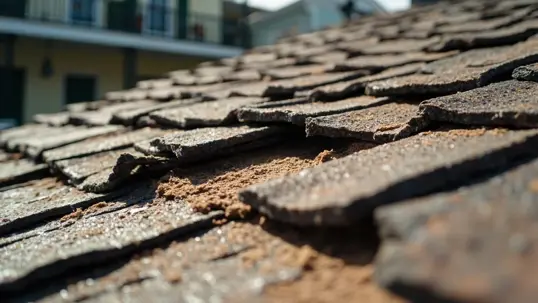
Fort Myers properties face intense solar radiation, high humidity, and heavy seasonal storms throughout the year. Constant exposure to ultraviolet rays breaks down traditional asphalt roofing material, causing shingles to dry out, curl, and lose protective granules. When roof integrity degrades, heat penetrates the structure more easily, driving up internal cooling costs and stressing household electrical systems.
Local homeowners must therefore manage these relentless environmental pressures before minor material fatigue escalates into severe structural decay. Addressing these vulnerabilities early prevents moisture from infiltrating underlying decking and preserves the safety of the entire building envelope. Implementing proactive maintenance strategies ultimately safeguards property value against the damaging effects of the harsh coastal climate.
Integrating local energy generation provides a dual benefit for area homeowners. Modern solar installations absorb heavy sunlight that would otherwise heat the attic space, serving as a protective shield over the underlying structure. This thermal barrier lowers overall attic temperatures while generating clean electricity to run household air conditioning continuously. Selecting durable solar panels mounted on a sturdy framework transforms daily sunlight exposure from a source of material wear into a consistent financial advantage.
Why Do Aging Power Structures Drive Up Monthly Expenses for Local Homeowners?
Utility rates rise steadily across South Florida, placing a continuous financial burden on households relying entirely on traditional power grids. Older roofs that lack modern energy features allow heat to transfer directly into living areas, forcing HVAC units to work harder and consume excessive electricity. Over several years, this dynamic creates unnecessarily high power bills that strain household budgets.
Adopting localized power generation alters this dynamic immediately. Property owners who transition to solar energy systems generate their own electricity on-site, decreasing reliance on regional power companies. Excess energy produced during peak sunlight hours offsets consumption during evening periods, creating stable, predictable energy expenses. By replacing aging infrastructure with functional energy-producing components, homeowners take control of monthly operational costs while raising the overall market value of the property.
What Physical Signs Indicate That Current Solar Equipment Requires Upgrading?
Solar equipment operates under harsh exterior conditions, and electrical components experience continuous physical exposure over time. Physical damage often manifests as cracked glass, moisture intrusion under the frame, or severe discoloration across the modules. These visible flaws compromise the protective seal of the unit, allowing water to reach internal wiring and creating severe operational hazards.
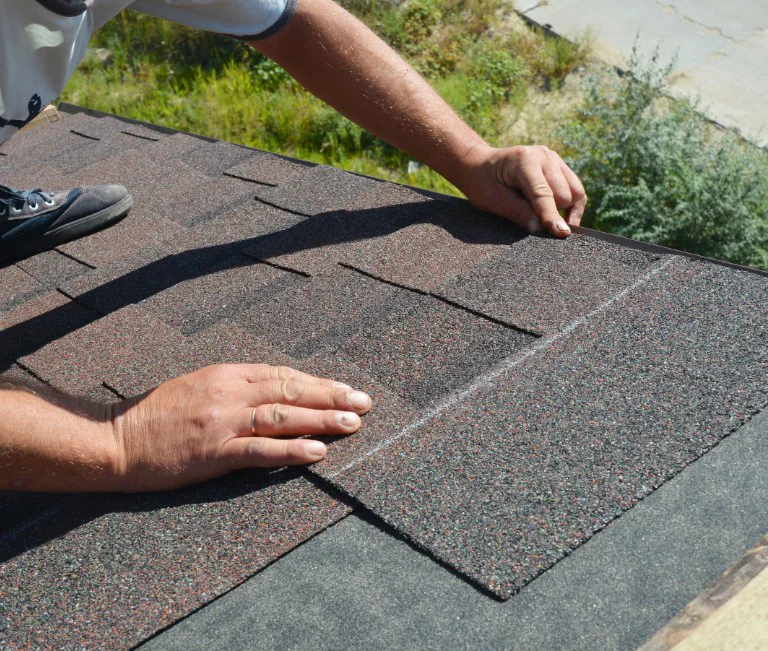
Performance drops also signal the need for equipment replacement, making a timely solar replacement necessary to maintain household efficiency. When energy production drops by twenty percent or more below rated output, the system fails to deliver expected utility savings. Older systems exceeding fifteen years of service often suffer from internal degradation that reduces overall efficiency. Ignoring these indicators leads to system shutdowns or electrical faults. Promptly replacing outdated units restores full power capacity and secures the electrical safety of the home.
How Does a Professional Assessment Protect Home Structural Integrity?
Installing heavy equipment on a residential property requires precise structural evaluations beforehand. Mounting hardware must penetrate specific points of the roof decking without compromising water barriers or causing hidden leaks. Improper installation techniques lead to structural weakening, severe water intrusion during tropical rainstorms, and voided manufacturer warranties.
Working with experienced professionals guarantees that the existing roof deck receives a thorough inspection before mounting any heavy components. Specialists calculate load-bearing capacities, verify structural stability, and select compatible attachment methods. Whether integrating subtle solar shingles or elevated panels, proper placement protocols safeguard the building envelope from water damage while maximizing daily sun exposure.
How Does an Organized Step-by-Step Installation Simplify the Energy Transition?
Transitioning a home to modern energy generation can seem complex without clear guidance. Attempting DIY modifications or hiring unverified contractors leads to improper wiring, code violations, and prolonged project timelines. A structured installation process removes confusion and keeps the project moving smoothly toward completion.
The process begins with a detailed property evaluation to measure sun angles, roof dimensions, and current energy consumption. Experts review these findings to recommend optimal equipment configurations for long-term power generation. Professional technicians execute the installation in strict compliance with local building codes and safety regulations. This structured approach eliminates delays, prevents structural mistakes, and ensures the new system operates at peak capacity from day one.
Mighty Dog Roofing of Fort Myers upgrades residential properties across South Florida. Advancing through Florida's intense weather seasons demands a partnership with dedicated professionals who prioritize structural integrity and project efficiency. Stop roof wear, outdated energy systems, and thermal decay from threatening the safety and value of your home.