Manufacturer Warranty vs. Workmanship Warranty: What Each Covers
What a Manufacturer Warranty Covers
A manufacturer warranty covers defects in the product itself — premature granule loss, cracking from a manufacturing flaw, shingles that fail to self-seal under normal conditions. What it does not cover is any damage caused by improper installation, inadequate ventilation, or failure to follow the manufacturer's installation specifications. The phrase "limited lifetime" is worth examining: on most shingle products, "lifetime" is defined as 30 years, and coverage is prorated — meaning the payout for a valid claim in year 25 is a fraction of what it would be in year five.
What a Workmanship Warranty Covers
A workmanship warranty covers the installation — specifically, leaks or failures caused by how the roof was put on rather than a defect in the material. This warranty comes from the contractor, not the manufacturer. Standard workmanship warranties run 1–5 years. Certified contractors through programs like GAF Master Elite or Owens Corning Preferred can offer 10- or 25-year workmanship warranties as part of enhanced coverage packages.
Both warranties are necessary — a manufacturing defect is a manufacturer claim; an installation failure is a workmanship claim. Mighty Dog Roofing of Greater Chadds Ford provides both in writing before work starts. As a residential roofing company near you, we can walk you through exactly what each warranty covers on the specific product being installed before you commit to anything.
Warranty Coverage Comparison by Type
Warranty Type | Provided By | Typical Duration | What Voids It |
Standard manufacturer | Manufacturer | 25–30 years (prorated) | Improper installation, wrong underlayment, inadequate ventilation, cover-over |
Enhanced manufacturer (System Plus / Golden Pledge) | Manufacturer + certified contractor | 50 years / lifetime, non-prorated | Same as above; requires certified installer to activate |
Standard workmanship | Contractor | 1–5 years | Homeowner modifications, third-party rooftop work without coordination |
Extended workmanship (certified contractor) | Contractor / manufacturer-backed | 10–25 years | Missed annual inspections, unauthorized modifications |
Installation Mistakes That Void Manufacturer Coverage
Nailing Patterns and Fastener Placement
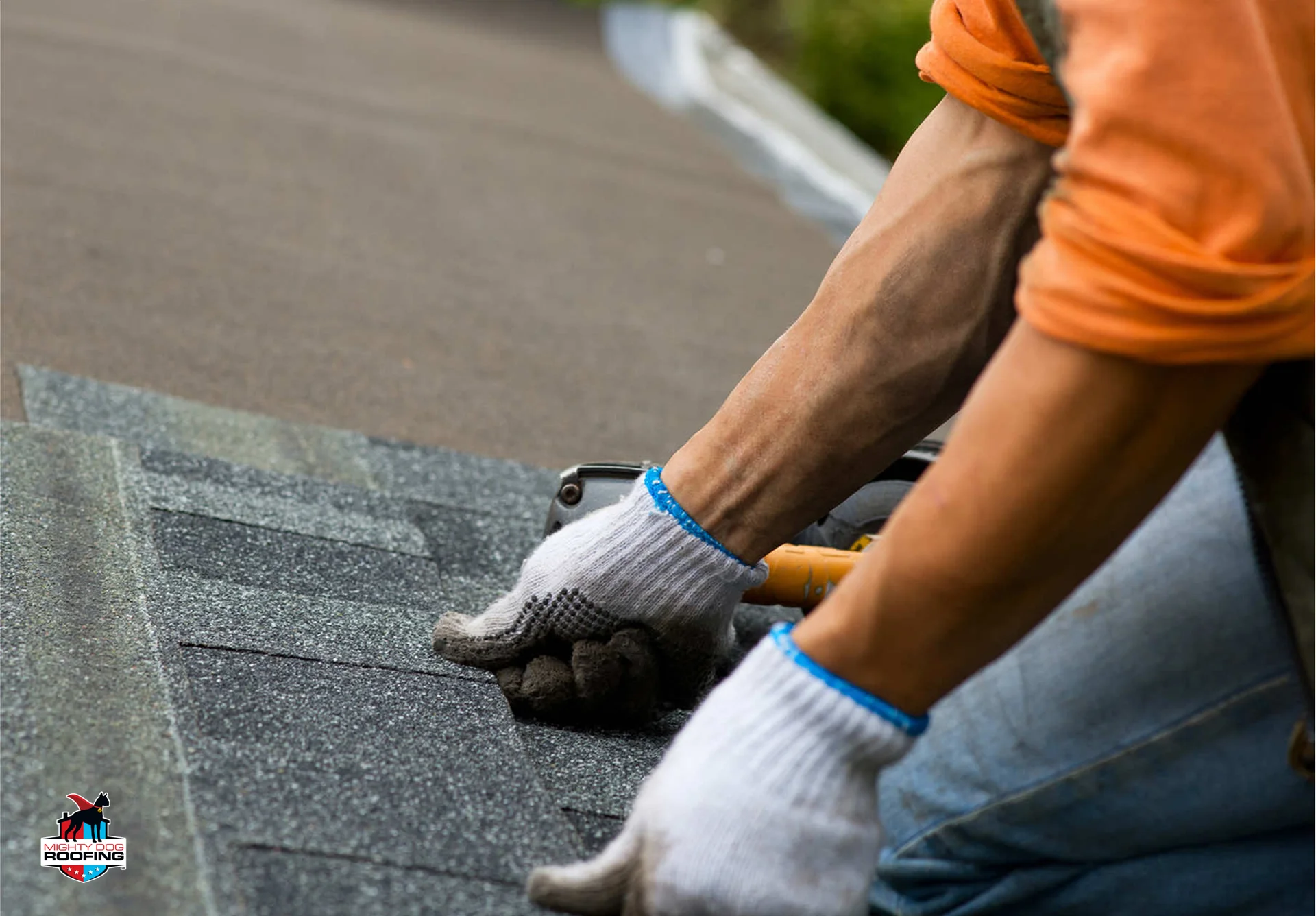
Every shingle manufacturer specifies an exact nailing zone — a band across the shingle where fasteners must be placed for the installation to be warranty-compliant. High-nailing, which places fasteners above this zone, is one of the most common installation errors and one of the most frequently cited reasons for warranty denial. It reduces wind uplift resistance and prevents the self-sealing strip from functioning. The problem: high-nailing is invisible after installation is complete. The only way to verify compliance is to inspect in progress or to have someone physically lift shingles to check placement after the fact.
Incompatible Underlayment and Inadequate Ventilation
Using an underlayment not listed on the manufacturer's approved product compatibility list can void coverage if the roof fails and the incompatible product is found to have contributed. Similarly, most major manufacturers require a minimum ventilation ratio — typically 1 sq ft of net free vent area per 150 sq ft of attic floor, balanced between intake and exhaust. Installing shingles over an attic that doesn't meet this standard voids coverage under most major warranty programs. At Mighty Dog Roofing of Greater Chadds Ford, every roof replacement includes a ventilation assessment before any material goes on — not as an afterthought once the old shingles are off.
Cover-Over Installations
Installing new shingles directly over existing ones rather than starting on clean decking is prohibited under most manufacturer installation specifications and voids the warranty outright. It also makes it impossible to inspect the decking for rot or moisture damage. Any contractor proposing a cover-over on a warranty-backed product should be asked in writing how they intend to handle warranty registration before you sign anything.
Homeowner Actions That Void Coverage
Rooftop Work and Foot Traffic
Manufacturers classify damage from walking on a roof as mechanical damage — not a product defect — and it isn't covered. The more common scenario involves other tradespeople on the roof after installation: HVAC technicians, satellite installers, solar panel crews. Any of these can cause damage the manufacturer classifies as third-party mechanical impact. If solar or HVAC work is planned after a new roof goes on, coordinate with your roofing contractor in advance so penetrations and flashings are done in a warranty-compliant way.
Skipping Annual Maintenance — and What Documentation to Keep
Some enhanced warranties require documented annual inspections to remain valid. Without records, a claim can be denied on the grounds that the homeowner failed to maintain the system as required. The certified roofing professionals at Mighty Dog Roofing of Greater Chadds Ford provide dated written inspection reports that serve as both maintenance documentation and warranty protection. Keep all of the following together after installation:
- The product spec sheet for the shingles installed, including the product line and warranty tier
- The installation contract with the contractor's license number and warranty terms in writing
- The permit and any building department inspection records
- The warranty registration confirmation received directly from the manufacturer — not just from the contractor
- Annual inspection reports, dated and signed, for each year the warranty requires them
How to Choose a Contractor Who Protects Your Warranty

Manufacturer certification programs — GAF Master Elite, Owens Corning Preferred, CertainTeed SELECT ShingleMaster — require contractors to meet training requirements, maintain appropriate insurance, and demonstrate installation quality. Contractors at higher tiers can offer enhanced warranties that exceed what a non-certified installer can provide on the same product. Ask any contractor you're evaluating which manufacturer programs they're certified through and at what tier, then verify it directly on the manufacturer's contractor locator before signing.
Warranty registration must be completed within a specific window after installation — most manufacturers require it within 30 to 60 days. Confirm with your contractor that registration has been submitted and that you receive the certificate directly from the manufacturer. If you're planning a roof replacement in Chester County and want an installation done in a way that keeps coverage intact, get a free estimate from Mighty Dog Roofing of Greater Chadds Ford — every installation includes warranty registration support and written documentation of what was installed and how.