Vinyl siding is one of the most popular exterior upgrades in Exton, and for good reason. It handles Chester County’s freeze-thaw winters, needs little maintenance, and comes in a wide range of colors and profiles. But the material is only half of the result. How long vinyl siding lasts, how it looks after a few summers, and whether it keeps water out of the wall depends heavily on the installer.
Many homes in Exton and the surrounding West Whiteland and Uwchlan neighborhoods were built between the 1980s and early 2000s. When choosing a siding contractor in Exton, PA, homeowners should look for experience with these properties and the installation issues that come with aging exterior materials. A lot of that original siding is now reaching the point where fading, cracking, and loose panels are hard to ignore. When homeowners start comparing quotes, the prices can look similar on paper while the actual work behind them is very different.
This guide explains what separates a qualified vinyl siding installer from a rushed one, which questions to ask before signing, and why late fall is a smart time to start the process.
Why the Installer Matters as Much as the Siding
Vinyl Moves More Than Most Homeowners Realize
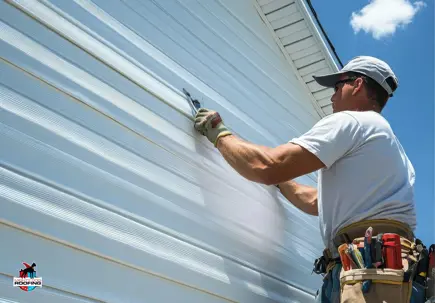
Proper vinyl siding installation starts with understanding how the material responds to temperature changes. Vinyl expands in summer heat and contracts in cold weather. A full-length panel can move a noticeable amount between a hot July afternoon and a January night. Installers account for this by hanging panels loosely on the nails, leaving the right gap at corners and trim, and never nailing too tight. When that step is done poorly, the result is waviness, buckling, or panels that pull loose in strong wind.
What Happens Behind the Panels
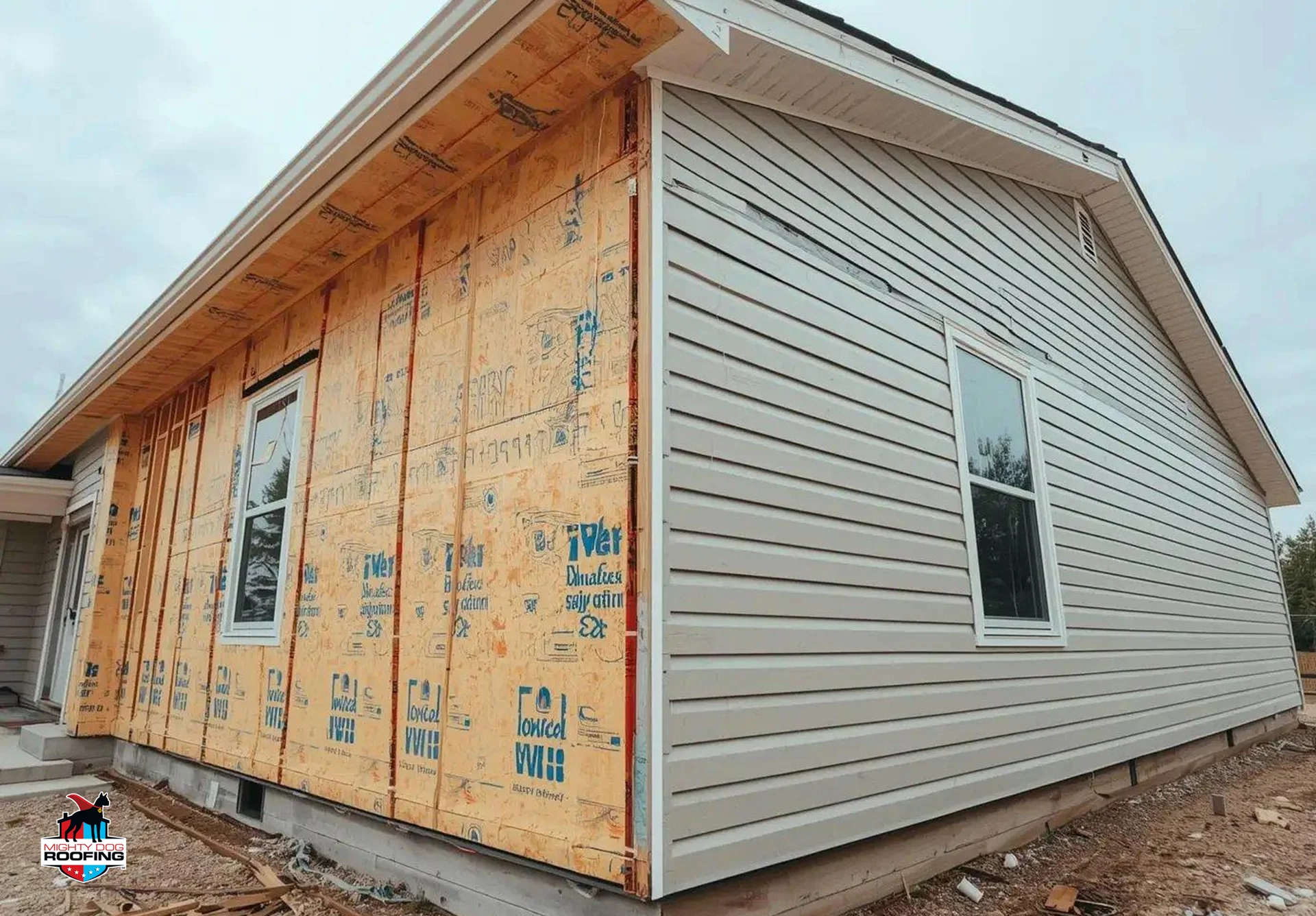
Vinyl siding is not a waterproof shell. It is a rain screen that sheds most water, while the weather-resistant barrier and flashing behind it handle the rest. An installer who skips flashing around windows and doors, or who reuses torn house wrap, can leave a wall that looks new from the street but holds moisture inside. These problems often show up years later as rot, mold, or soft sheathing.
What to Look For in a Vinyl Siding Installer
When searching for vinyl siding contractors near me, Exton homeowners should focus on how each company plans to do the work, not just the final number on the estimate. Knowing how to choose a siding contractor means checking wall preparation, installation methods, and written warranty terms before signing. Experienced siding contractors should be able to explain these details clearly.
What to Check | What a Good Answer Looks Like | Why It Matters |
Registration and insurance | Pennsylvania Home Improvement Contractor registration plus liability and workers’ compensation coverage | Protects you if someone is injured or property is damaged during the job |
Tear-off vs. overlay | A clear recommendation based on the condition of the existing siding and sheathing | Covering damaged material hides problems instead of fixing them |
Weather barrier and flashing | House wrap, window and door flashing, and kick-out flashing where roofs meet walls | Keeps water out of the wall cavity |
Expansion and fastening | Panels hung with room to move and nails driven straight, not tight | Prevents waviness and buckling |
Trim, soffit, and fascia | A plan for corners, J-channel, soffit, and fascia in the same scope | Finished edges are where water and pests get in |
Written warranty | Manufacturer coverage on the product plus a separate workmanship warranty | Shows the installer stands behind the labor, not only the material |
Local references | Recent projects in Exton or nearby Chester County communities | Proves experience with local homes and HOA requirements |
Understand What the Vinyl Siding Warranty Covers
A vinyl siding warranty typically covers specific defects in the siding material, while a contractor's workmanship warranty addresses installation-related problems. These are separate forms of protection, and neither automatically covers every type of damage. Before signing, ask for both warranties in writing and check the terms for fading, cracking, improper fastening, water intrusion, and exclusions.
Ask How They Handle HOA Requirements
Many Exton neighborhoods have homeowners associations with rules on siding color, profile, and trim. An experienced installer will ask about your HOA early and help you prepare the details your board needs for approval. That saves weeks of back-and-forth and reduces the risk of having to change materials after the order is placed.
Look at How the Estimate Is Written
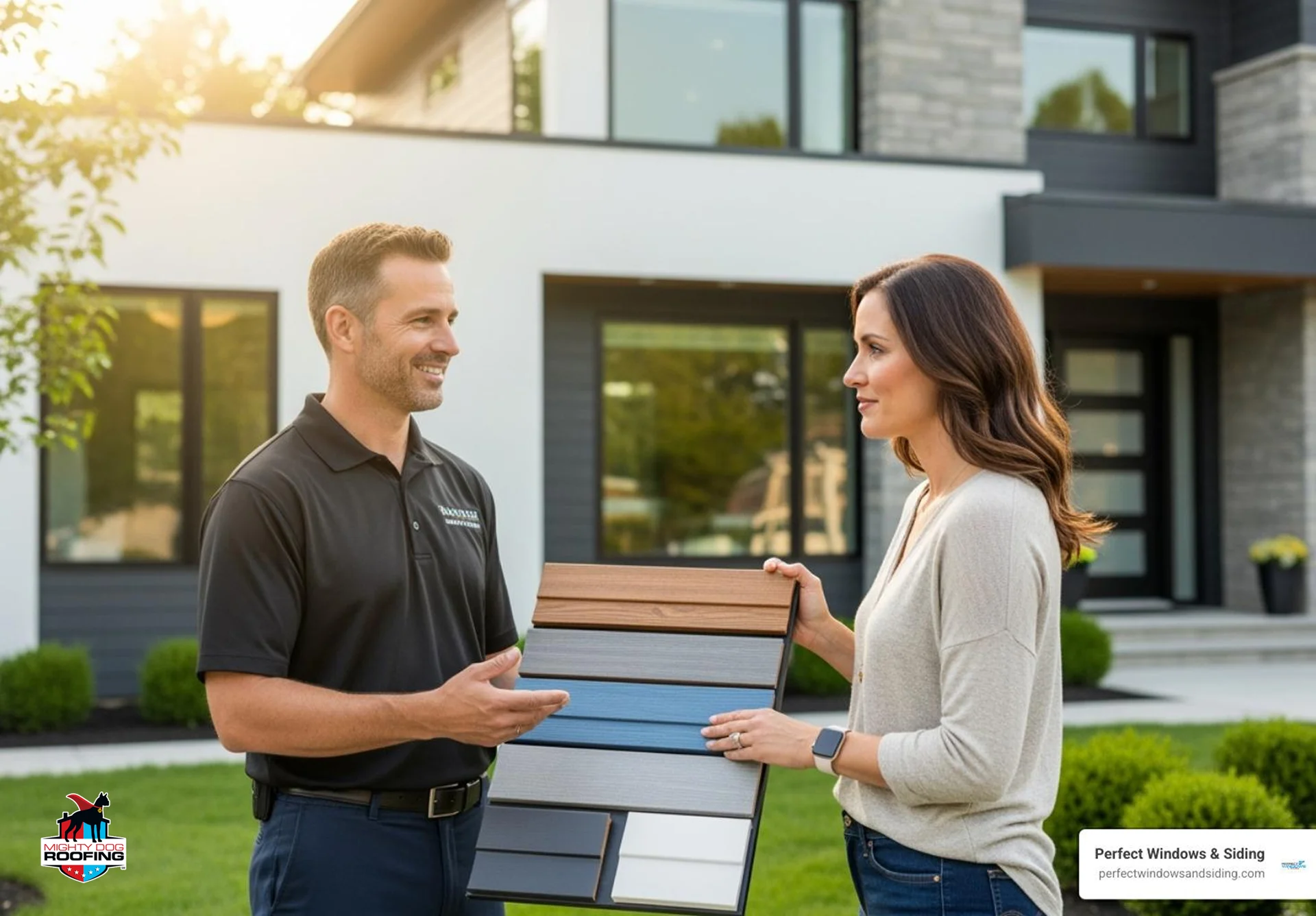
A detailed siding estimate lists the product line, color, profile, trim components, house wrap, and disposal of old materials. It should also explain how unexpected sheathing repairs will be priced if hidden damage is discovered. A one-line estimate that says “install vinyl siding” makes it hard to compare offers and easy for important steps to be left out.
Questions to Ask Before You Sign
Before you choose a contractor for siding installation and replacement, ask these questions:
- Will you remove the existing siding, and what happens if you find damaged sheathing?
- What weather-resistant barrier will you install, and how will you flash windows and doors?
- Which vinyl product line and thickness are you quoting, and why?
- How do you install vinyl in cold weather?
- Who will be on site each day, and who is my point of contact?
- What does your workmanship warranty cover, and for how long?
- How will you protect landscaping, decks, and driveways during the job?
Red Flags When Comparing Siding Contractors
Some warning signs show up before any work starts:
- Pressure to sign the same day to lock in a discount
- No written estimate, or an estimate with no product details
- A large cash deposit with no clear payment schedule
- No mention of house wrap, flashing, or trim
- No proof of insurance or Pennsylvania contractor registration
- No local projects or references they can share
- If an offer is much lower than the others, ask what is missing. The gap is often in tear-off, flashing, trim work, or cleanup.
How Siding Connects to Gutters and Windows
Siding does not work alone. Overflowing gutters can push water behind panels and stain the wall below, so it makes sense to check gutter condition when siding is replaced. If gutters are loose, undersized, or leaking at the seams, gutter repair and installation can be planned in the same project.
Windows are another common weak point. Siding replacement is the easiest time to correct flashing around older windows or replace drafty units, because the wall around them is already open. Coordinating window repair and replacement with new siding avoids cutting into finished siding later.
Why November Is a Good Time to Start Planning
Vinyl siding can be installed in cold weather, but it takes more care. Panels become stiffer and more brittle as temperatures drop, so experienced installers cut carefully and leave a slightly larger expansion gap than they would in summer. A contractor who explains how they adjust for cold conditions is showing the kind of experience you want.
November is also a practical time to get estimates, choose colors, and secure HOA approval. Homeowners who start now are often first on the schedule when spring demand picks up.
Season | Installation Considerations | Planning Advantage |
Spring (Mar–May) | Mild temperatures, but the busiest booking season | Best for homeowners who planned in advance |
Summer (Jun–Aug) | Heat makes panels expand, so gaps must be set carefully | Long workdays help larger projects move quickly |
Fall (Sep–Nov) | Comfortable working temperatures until late fall | Good time for estimates, color selection, and HOA approval |
Winter (Dec–Feb) | Possible on milder days with cold-weather installation methods | Shorter wait times and more scheduling flexibility |
The right vinyl siding installer will inspect the walls, explain the scope in writing, and answer your questions without pressure. For Exton homeowners, taking the time to compare installers carefully is the best way to make sure new siding looks good and protects the home for decades.