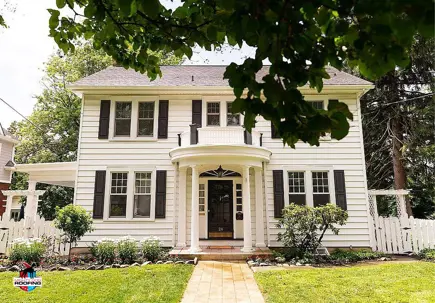
James Hardie siding installation has become a popular exterior upgrade for Main Line homeowners who want the look of painted wood without the constant upkeep. Fiber cement offers the traditional appearance of wood with greater resistance to rot and insects. In Wayne, where many homes date back to the late 1800s and early 1900s, Hardie siding offers a way to keep traditional character while adding durability that older wood siding can’t match.
Fiber cement is a strong, heavy material, but it is less forgiving than vinyl during installation. It needs specific tools, fasteners, clearances, and joint details. When these steps are skipped, homeowners can see cracked boards, open joints, paint failure, or moisture problems within a few years. That’s why choosing the right James Hardie siding contractor is just as important as choosing the product itself.
This guide explains what makes Hardie installation different, which details matter most on Wayne homes, and how to evaluate an installer before you commit.
What Makes James Hardie Siding Different to Install
A Heavier, Rigid Material
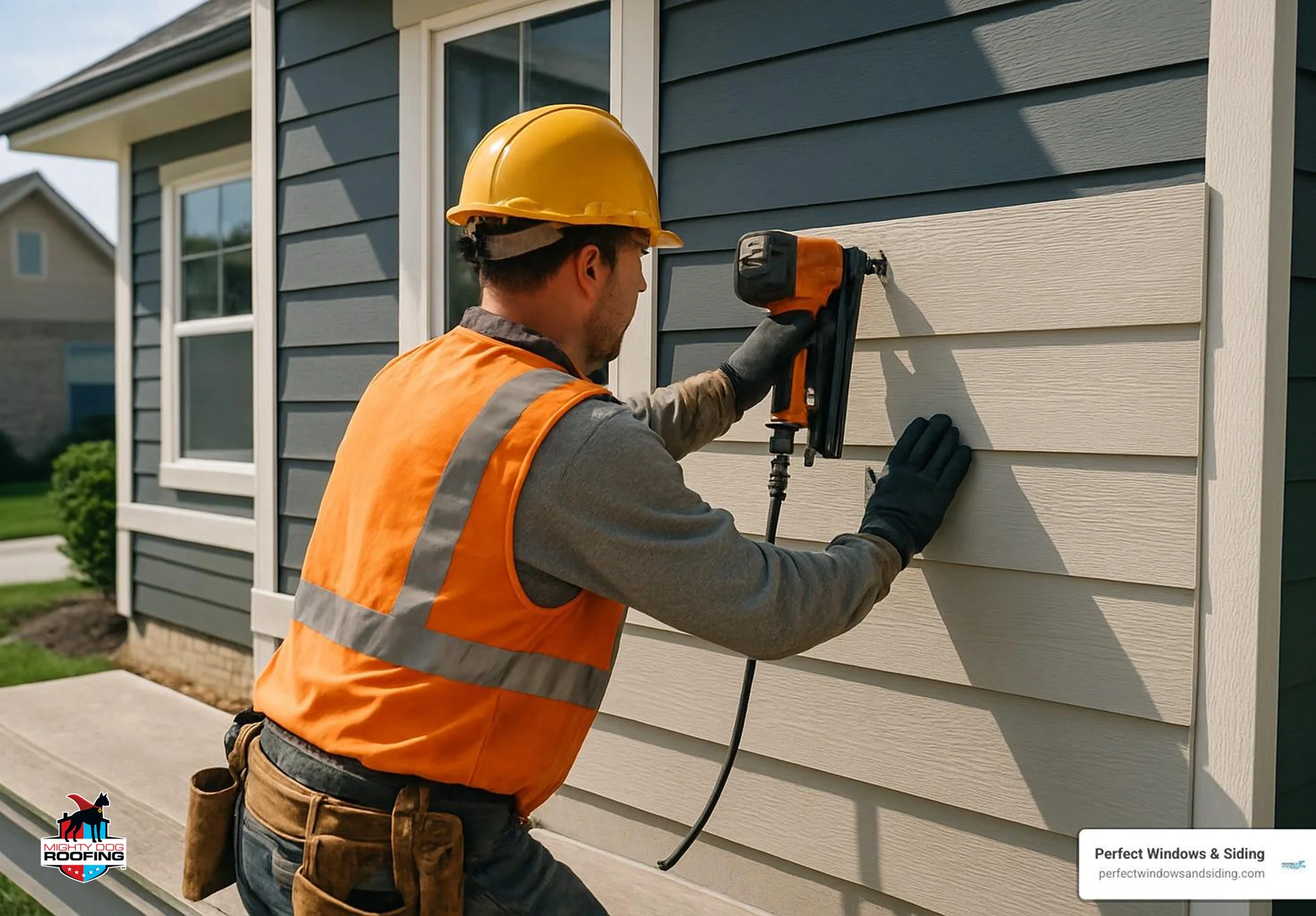
Hardie board siding is much heavier and more rigid than vinyl, which makes proper handling especially important during installation. The boards must be handled carefully, supported during cutting, and fastened according to the manufacturer's requirements. Crews need enough people and the right equipment to install long planks without cracking them.
Cutting Requires the Right Tools and Safety Steps
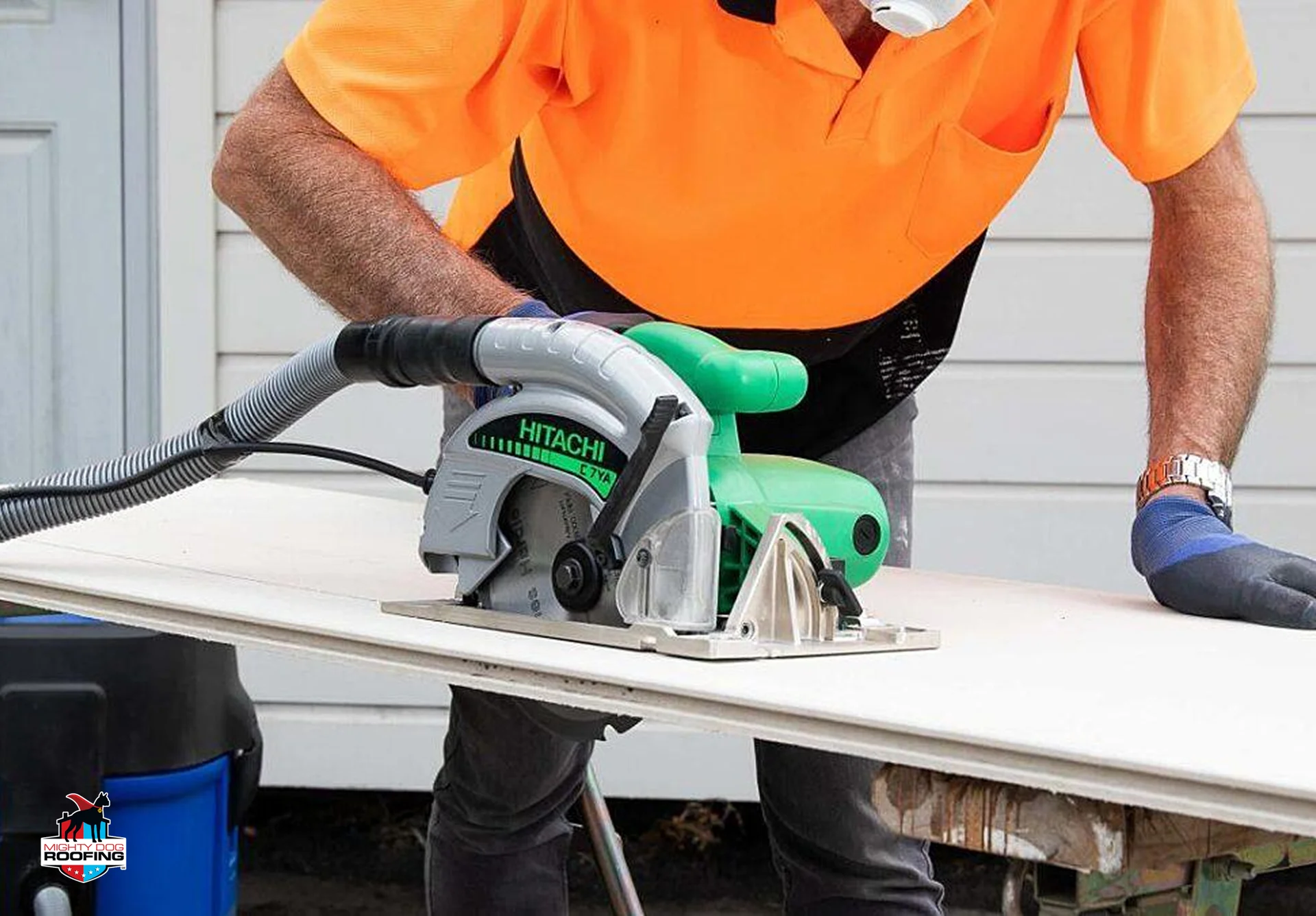
Cutting fiber cement creates silica dust. Experienced Hardie siding installers use appropriate cutting tools and silica-dust controls, including fiber cement shears or saws equipped with suitable dust collection. They follow applicable safety requirements and use appropriate respiratory protection when necessary to limit exposure to airborne dust.
A Product Designed for Local Climate
James Hardie makes products for specific climate conditions. In Pennsylvania, homes are exposed to freezing temperatures, snow, and repeated freeze-thaw cycles, so installers typically use the HardieZone HZ5 product line designed for those conditions. A contractor who knows which product line fits the Main Line climate is showing basic familiarity with the brand.
Installation Details That Separate Good Work From Poor Work
Most Hardie siding problems come from installation errors, not from the material. Here are the details an experienced installer pays attention to:
Installation Detail | What Proper Installation Looks Like | What Goes Wrong When It’s Skipped |
Ground clearance | Boards kept above grade, mulch, and patios | Bottom boards absorb moisture and swell or stain |
Roof-to-wall clearance | A gap left where siding meets a roof surface, with step and kick-out flashing | Water wicks into siding edges and behind the wall |
Butt joints | Joints placed over studs with flashing behind them | Water enters at seams and stains the sheathing |
Fastening | Correct nails driven flush, not overdriven | Overdriven nails crack boards and weaken hold |
Trim and caulking | Gaps at trim sealed with the right sealant | Open joints let water and insects inside |
Weather barrier | House wrap lapped correctly behind the siding | Moisture gets trapped against the sheathing |
Finish | Factory-finished boards touched up at cut edges | Unsealed cuts absorb water and paint peels |
Why Main Line Homes Need Extra Attention
Many Wayne homes have steep rooflines, dormers, wide porches, and detailed trim. These features create more roof-to-wall intersections, corners, and transitions than a simple modern house. Each one is a place where water can get behind the siding if it isn’t flashed correctly. An installer with experience on older Main Line homes will plan these details before work starts.
Older homes also tend to have uneven walls. Before new siding goes on, a careful crew checks for rotted sheathing, out-of-plumb walls, and gaps around windows, so the finished boards sit straight and tight.
How to Evaluate a James Hardie Siding Contractor in Wayne
When comparing James Hardie siding contractors, homeowners should look beyond general exterior renovation experience. A qualified Main Line siding contractor should understand fiber cement installation requirements and the challenges of working on older Wayne properties. Ask Hardie siding installers these questions:
- How many James Hardie projects have you completed in the Main Line area?
- Which James Hardie product line and finish are you recommending?
- How do you handle clearances at roofs, decks, and grade?
- How will you flash butt joints, windows, and doors?
- How do you control dust when cutting fiber cement?
- What is covered by your workmanship warranty?
- Can you show photos or addresses of completed fiber cement projects nearby?
James Hardie offers manufacturer warranties on its siding and on its factory finishes, but those warranties depend on the product being installed according to the manufacturer’s instructions. That makes installation quality part of your warranty protection, not just part of the appearance.
If you’re comparing estimates for siding installation and replacement, ask each contractor to list the product line, trim, flashing, house wrap, and finish so the offers can be compared side by side.
Check the Roof and Gutters Before New Siding Goes On
Siding replacement is a good time to look at the parts of the exterior that affect it. Where a roof meets a wall, worn step flashing or a missing kick-out flashing can send water straight into the new siding. A roof inspection before the project can identify flashing problems that should be corrected while the wall is open.
Gutters matter too. Fiber cement handles moisture well, but constant overflow can still stain boards, wear down caulking, and push water toward the foundation. If gutters are sagging or undersized, gutter repair and installation can be scheduled alongside the siding work.
Can James Hardie Siding Be Installed in November?
Fiber cement can be installed in colder months, but some steps depend on temperature. Caulking and touch-up paint have minimum application temperatures, and wet or icy conditions slow the work. Experienced crews plan around the weather, work on milder days, and protect materials from moisture before installation.
For many Wayne homeowners, November is the ideal time to get estimates, choose a ColorPlus finish or paint color, and check township or historic district requirements. Wayne spans Radnor, Tredyffrin, and Upper Merion townships, so the rules can depend on your exact address. Starting the planning process now makes it easier to be on the schedule when spring arrives.
James Hardie siding can protect a Wayne home for decades, but only when it is installed by a team that understands fiber cement. Choosing an experienced siding contractor in Wayne, PA, is one of the most important steps toward getting the durability and curb appeal James Hardie products are known for.