
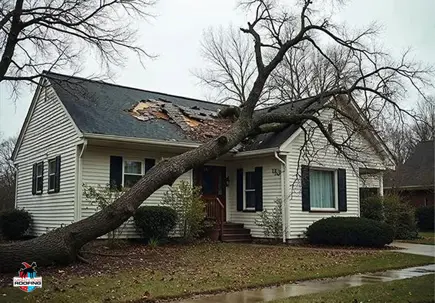
A fall storm blows through, and within a day or two a stain shows up on the ceiling, or a neighbor mentions shingles scattered across the yard. The first question many Wilmington homeowners ask in this situation is whether the damage requires an emergency response or whether it can wait for a scheduled repair. Misjudging the situation can lead either to unnecessary after-hours service costs or to a manageable issue becoming a much larger repair problem.
Not every bit of storm damage needs a same-day response, but some of it absolutely does — and the difference usually comes down to whether water is actively getting into the house right now, not just whether the roof looks damaged from the ground.
Mighty Dog Roofing of Greater Chadds Ford provides emergency roofing services across Chester County, Delaware County, and New Castle County, and helps homeowners across Chester County, Delaware County, and New Castle County respond after serious storms in the Wilmington area — some genuine emergencies, and a lot of damage that's worth documenting but doesn't need a crew on the roof at 9 p.m.
What Actually Counts as a Roofing Emergency After a Storm
Signs That Need Attention Today, Not This Week
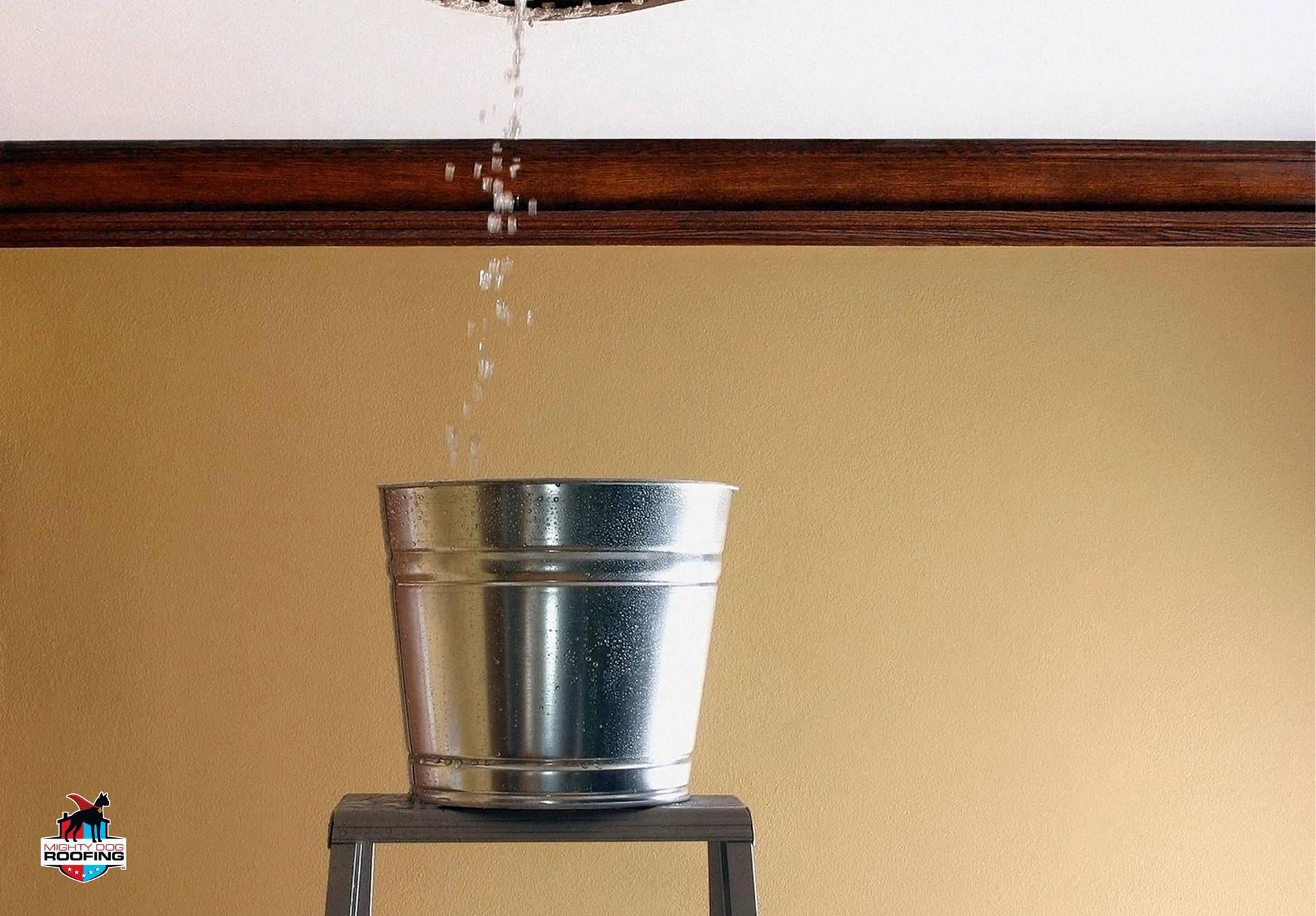
Active water coming through the ceiling or running down an interior wall is the clearest sign that a repair can't wait — every hour that water sits in drywall, insulation, or framing adds to the damage and the eventual repair cost. A section of roof deck that's visibly exposed after shingles or flashing blew off, a tree limb that's punched through the roofing material, or a soffit or fascia section hanging loose in the wind all fall into the same category: something is open to the weather right now, and the next round of rain will make it worse.
Damage That Can Wait for a Scheduled Repair
A handful of missing shingles on a slope that isn't actively leaking, granule loss visible in the gutters, or a few dented shingles from hail are all worth calling in and getting looked at soon, but they're not typically the kind of damage that needs an emergency crew dispatched the same night. The roof is still doing its job of keeping water out — it just needs attention before the next storm tests it again.
What Happens During an Emergency Roof Call in Wilmington
Roofing companies near you don't all handle emergency calls the same way — here's what a proper response usually looks like at each stage:
Stage | What It Involves | Timeline | Purpose |
Emergency tarping | Covering the exposed area with a waterproof tarp secured to the roof deck | Same day, often within hours of the call | Helps limit active water intrusion until a permanent repair can happen |
Damage assessment | Full roof inspection to document the extent of storm damage, inside and out | Within a day or two of the tarp going up | Identifies everything that needs repair, not just the visible entry point |
Insurance documentation | Photos, measurements, and a written scope of damage for the claim | Alongside or right after the assessment | Provides documentation that can help support the insurance claim process |
Permanent repair | The actual roofing work — replacing shingles, decking, flashing, or a full section as needed | Scheduled once materials and weather allow | Restores the roof to its pre-storm condition |
The First Hour After You Spot Storm Damage
Do:
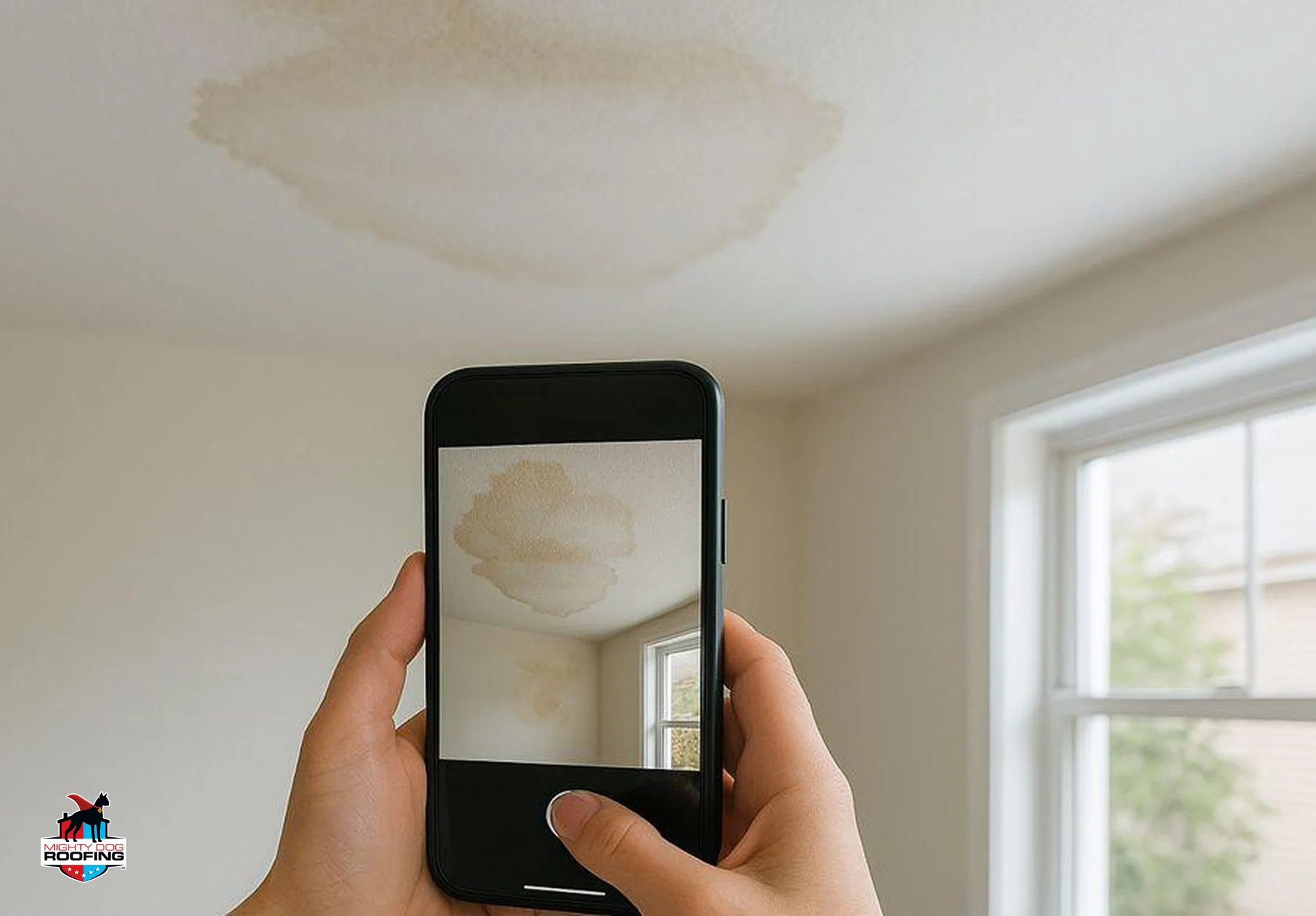
- Move anything valuable out from under an active leak and place a container to catch water
- Take photos of the damage from inside and outside before anything gets covered or cleaned up
- Call for emergency tarping if water is actively entering the home
- Contact your insurance company to start the claim while the damage is fresh and documented.
Avoid:
- Getting on the roof yourself to inspect or tarp storm damage, especially in continued wind or rain
- Waiting to see if the leak "dries up on its own" before calling anyone
- Making permanent repairs before an adjuster or contractor has documented the damage
- Assuming a small leak means small damage — water travels along framing before it shows up on the ceiling.
Getting the Repair Done Right After the Storm
What to Confirm Before Scheduling
When scheduling the permanent repair, confirm whether the crew coming out is the same one that handled the tarping and assessment, or whether that information gets passed along — repeating the full explanation of what happened to a new crew slows things down. Also confirm whether the estimate accounts for hidden damage that's common after wind and water events, like saturated decking under the visible entry point, rather than pricing only what's obvious from the roof surface.
Getting Ahead of Follow-Up Damage
A tarp is a temporary fix, not a repair, and it's only reliable for so long, especially if more wind or rain moves through before the permanent work gets scheduled. Homeowners who contact our roofing experts as soon as damage is spotted, rather than waiting to see how the next few days go, generally get the repair scheduled and finished before a second storm turns a single damaged section into a much larger problem.
Storm damage doesn't always announce itself the way a fallen tree limb does — sometimes it's a stain that shows up two days later after water has already been working its way through the attic. Knowing the difference between what needs a same-day response and what can be scheduled normally is what keeps a bad storm from turning into a much more expensive repair down the line.