
.jpg.0000000000000.webp)
Roof problems found during the winter months often started developing much earlier in the year. A lifted shingle after a summer storm, a cracked pipe boot, or deteriorating flashing sealant may not seem urgent in the fall, but colder weather can make these issues harder to ignore and more expensive to repair.
The reason is the freeze-thaw cycle. Southeastern Pennsylvania winters rarely settle into one long, steady freeze. Instead, temperatures swing above and below freezing again and again, sometimes within a single day. When water works its way into a small gap, freezes, expands, and then thaws, it can gradually widen that opening over time. Over a full season of these freeze-thaw cycles, a minor repair can develop into more extensive roof damage that requires additional materials and labor to correct.
At Mighty Dog Roofing of Greater Chadds Ford — a roofing contractor near you serving Chester County, Delaware County, and New Castle County — October can be a practical time to address smaller roof issues before colder weather creates additional challenges.
Why Freeze-Thaw Cycles Are So Hard on Roofs
How Water Turns Small Flaws Into Larger Damage
Water expands by roughly nine percent in volume when it freezes. On its own, that doesn't sound like much. But inside a hairline crack in a pipe boot, under the edge of a lifted shingle, or behind a separated flashing seam, that expansion acts like a wedge. The ice pushes the materials apart, then melts and lets more water flow into the newly widened space. The next freeze pushes a little further.
A single cycle rarely causes visible damage. Dozens of them over one winter are a different story. Shingles that were slightly lifted become fully detached, sealant joints that were beginning to fail open completely, and moisture that once stayed on the surface starts reaching the roof deck. Once water gets into the plywood or OSB beneath the underlayment, the repair is no longer a matter of replacing a few shingles.
Why Chester County Roofs Take a Harder Hit
Colder climates further north often freeze solid for weeks at a time, and a roof that stays frozen isn't going through the repeated expand-and-release motion that does the most harm. Chester County winters tend to hover near the freezing point instead, with mild afternoons followed by cold nights. Snow melts on a sunny roof during the day, runs toward the eaves, and refreezes after sunset. That pattern repeats throughout the season, and each repetition puts pressure on every weak point the roof carries into winter.
The same pattern is behind most ice dams in the area. Meltwater that refreezes at a cold roof edge builds a ridge of ice, and the water trapped behind it has nowhere to go but under the shingles. A roof with clogged gutters, worn shingles along the eaves, or poor attic ventilation is far more likely to develop this problem once the first real cold arrives.
What October Repairs Get Right
Materials Still Seal and Bond Properly
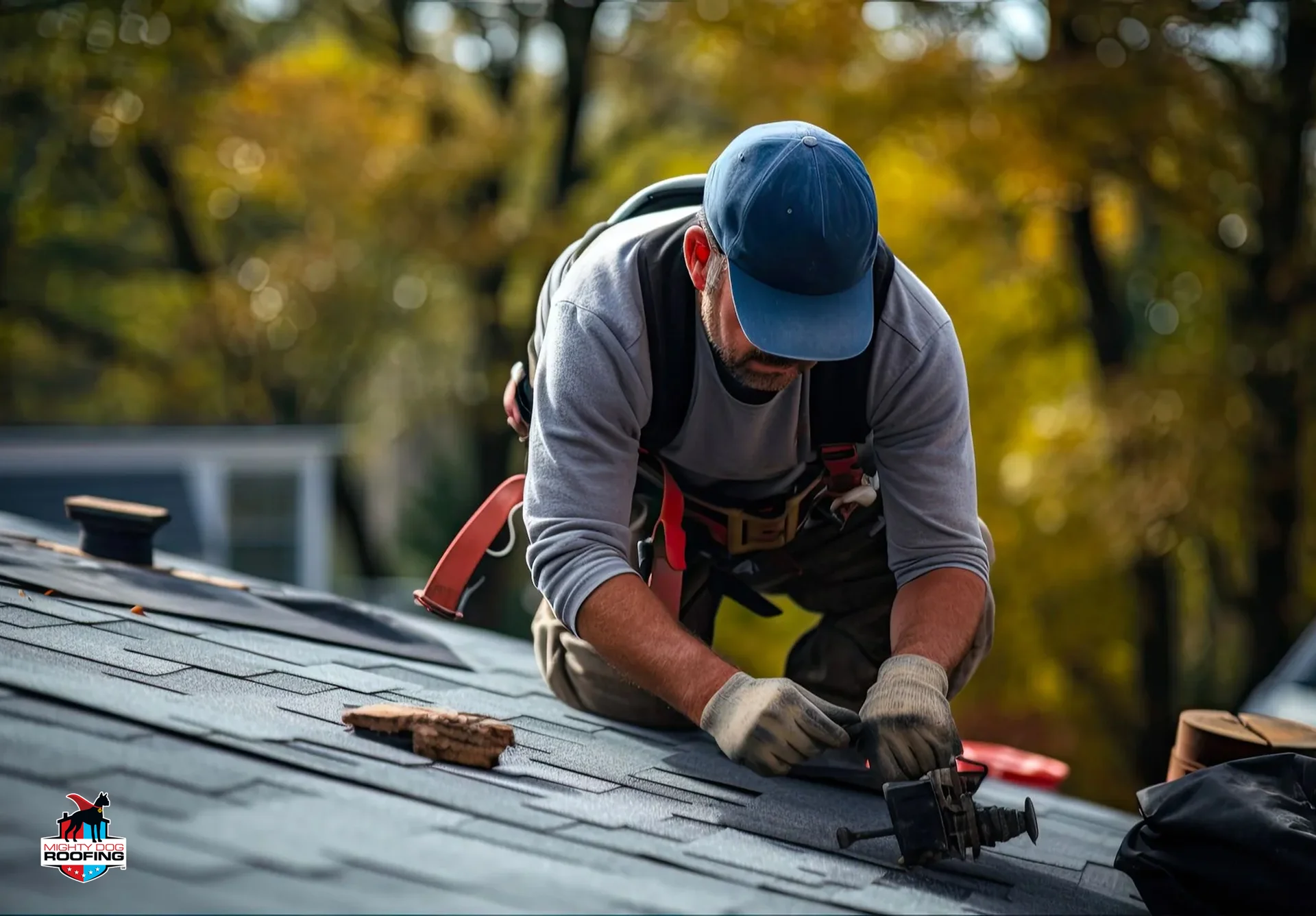
Roofing sealants, adhesives, and the self-sealing strips on asphalt shingles all have manufacturer-specified minimum application temperatures. October afternoons in Chester County are often still mild enough for these materials to bond the way they were designed to. A replacement shingle installed in early or mid-October has a better opportunity to seal before colder weather arrives. A repair completed later in the season may require additional consideration because colder temperatures can affect how some materials perform.
Flashing work follows the same logic. Sealant applied around chimneys, skylights, and vent pipes needs warmth and a dry surface to cure fully. Applied in cold, damp conditions, it can look correct the day the crew leaves and still begin separating after the first few freeze-thaw cycles.
Small Repairs Stay Small
The main benefit of completing these repairs in October is preventing small issues from developing into larger winter problems. Resealing a flashing seam, replacing a cracked pipe boot, or re-securing a handful of lifted shingles is typically a modest, routine job. The same flaws left through a winter of freeze-thaw cycling can lead to wet insulation, stained ceilings, softened decking, and in some cases mold in the attic. At that point, the homeowner is paying not only for the roof repair but for interior work as well.
Repairs made before winter also protect the remaining life of the roof. A roof that goes into the cold season fully sealed ages at its normal pace. A roof that goes in with open gaps can lose years of service life in a single hard winter.
Better Access to Experienced Crews
After the first major snow or ice events, many roofing contractors see an increase in emergency repair requests. Homeowners with active leaks often require faster attention, which can delay routine repairs depending on contractor availability. Scheduling in October means the repair can be planned rather than rushed. The crew has time to inspect the whole roof instead of focusing only on the leaking area, and the work can be completed under conditions that allow for proper installation.
Common Roof Problems That Freeze-Thaw Cycles Make Worse
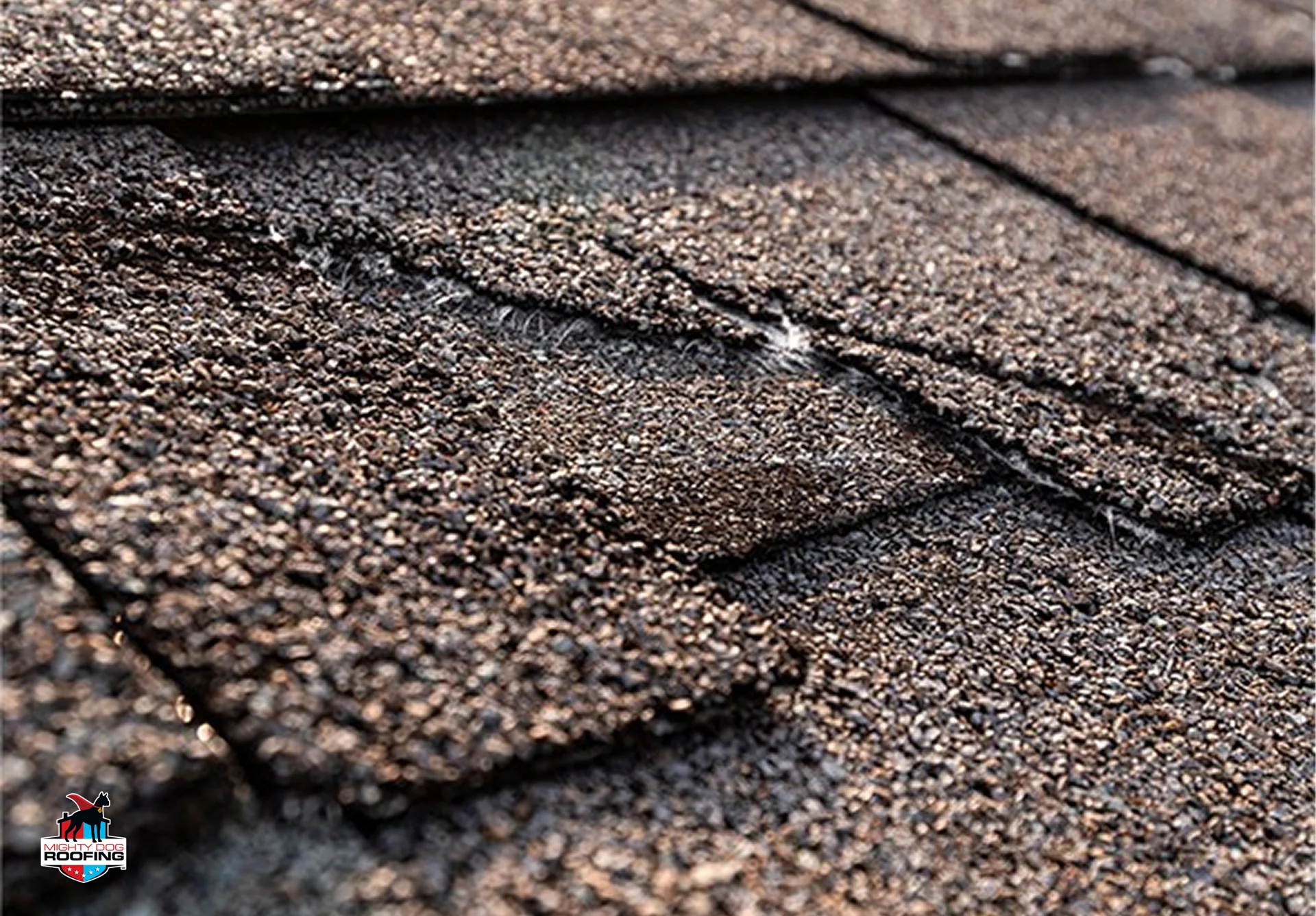
Not every fall roof issue requires major work, but most of them get noticeably worse after a winter of freezing and thawing. These are the problems that show up most often on October inspections around Chester County, along with what typically resolves them.
Roof Issue | October Warning Sign | Risk If Ignored | Recommended Fix |
Lifted or missing shingles | Shingle edges curling, flapping in wind, or gaps visible from the ground | Water and ice forcing under the shingle layer, wind loss during winter storms | Replace and re-seal affected shingles while temperatures still allow bonding |
Cracked pipe boots | Split or brittle rubber collars around plumbing vents | Slow leaks into the attic, wet insulation, and ceiling stains | Replace pipe boots before the first hard freeze |
Failing flashing sealant | Gaps, dried-out caulk, or rust around chimneys and skylights | Water intrusion at the most leak-prone areas of the roof | Reseal or replace flashing where the metal is damaged |
Clogged gutters | Leaves and granules piled in troughs, overflow during rain | Ice dams forming at the eaves and water backing up under shingles | Full gutter cleaning and a check of downspout flow |
Damaged chimney crown or mortar | Cracks in the concrete cap or crumbling mortar joints | Freeze-thaw spalling that accelerates quickly through winter | Crown sealing or repair, repointing of damaged joints |
Poor attic ventilation | Frost or condensation on the underside of the roof deck, stuffy attic | Uneven roof temperatures that feed ice dams and moisture damage | Ventilation assessment and correction of blocked or missing vents |
The certified roofing professionals at Mighty Dog Roofing look at these areas as a system rather than one at a time. A clogged gutter, a poorly ventilated attic, and worn shingles along the eaves are three separate problems in October, but in January they combine into one ice dam and one leak.
How Freeze-Thaw Risk Changes Through the Year
Roofs face a different kind of stress each season, and understanding that pattern explains why October repairs carry so much value.
Season | Temperature Pattern | Freeze-Thaw Risk | Best Action |
Spring (Mar–May) | Late frosts give way to warm days and frequent rain | Moderate early in the season, then fading | Inspect for winter damage and repair what the cold season exposed |
Summer (Jun–Aug) | Heat and UV exposure, occasional severe storms | None, though heat ages shingles and sealants | Plan larger projects and check for storm damage |
October | Mild days, cooler nights, first light frosts possible | Low now, but the last clear window before it rises | Address known issues while materials can still be installed and sealed properly |
Late Fall (Nov) | Colder days, more frequent freezing nights | Rising, with the first true cycles beginning | Finish outstanding repairs quickly, as weather windows narrow |
Winter (Dec–Feb) | Repeated swings above and below freezing, snow and ice | Highest of the year | Emergency and temporary repairs only |
October vs. November
November can still work for many repairs, but the margin shrinks with every week. Cold mornings, shorter days, and more frequent rain leave fewer hours when materials can be installed and cured properly. A repair scheduled in November also competes with every homeowner who waited, so the chance of it slipping into December grows as the month goes on.
October vs. Winter
Winter roof work is almost always reactive. Crews work around ice, snow, and short daylight, and many repairs can only be handled with temporary measures until spring. A leak that appears in January often means paying for an emergency visit now and a permanent repair later, and the interior damage that comes with it rarely waits for better weather.
October vs. Spring
Spring is a sensible time to check a roof after winter, but it is a time to find damage rather than prevent it. By April, every flaw the roof carried into the cold season has already gone through a full winter of freeze-thaw cycles. Waiting until spring means accepting whatever those months did to the roof, and that is usually more than a homeowner expects.
Signs Your Roof Needs Repair This October
Schedule a repair now if
- You can see lifted, cracked, or missing shingles from the ground or after a windy day
- Your gutters overflowed during recent rain or are full of granules and leaves
- You've noticed stains on the ceiling, damp spots in the attic, or a musty smell upstairs
- Flashing around the chimney, skylights, or vents looks separated, rusted, or patched with old caulk
- Your home had ice dams last winter and nothing has changed since then
You likely have more time if
- A recent professional inspection found no damaged shingles, flashing, or pipe boots
- Gutters are clean and drain freely during normal rain
- The attic is dry, with no frost or condensation on the underside of the deck in cold weather
How to Prepare Your Roof Before the First Hard Freeze
What to Confirm Before Scheduling
Before booking a repair, ask whether the inspection covers the whole roof or only the area of concern. A single visible problem often has a second one nearby that hasn't shown symptoms yet. Confirm that the contractor will check flashing, pipe boots, gutters, and attic ventilation together, since freeze-thaw damage tends to spread across these connected parts. Ask which materials will be used for sealing and whether they are rated for the temperatures expected over the next few weeks. If the roof is nearing the end of its service life, it is also worth asking directly whether a repair still makes financial sense or whether the money is better put toward a planned replacement in spring.
Getting on the Schedule
The weeks before the first hard freeze tend to fill quickly across Chester County, as homeowners who noticed problems over the summer try to get them fixed before winter. Booking early in October gives the crew time to complete the work in favorable conditions and leaves room to address anything unexpected they find along the way. If you've spotted any of the warning signs above, contact our roofing experts to schedule an inspection before colder conditions make repairs more difficult.
No repair can eliminate every possible roofing concern, and every home has different factors that affect roof performance over time. However, many freeze-thaw related problems can be identified and addressed before temperatures drop. For Chester County homeowners, scheduling repairs in October can help reduce the chance of more extensive damage later in the season.