

.jpg.0000000000000.webp)
Heat loss and moisture intrusion can begin long before siding or roof damage becomes visible. Small gaps where trim meets siding or old caulk that has pulled away from a window frame may go unnoticed during mild weather, but they become more noticeable once cold temperatures and moisture arrive.
Caulking and sealing isn't a big-ticket project, and that's part of why it gets skipped. But every gap left open through the winter is a place where cold air can get in and warm, moist indoor air can get out, and where wind-driven rain and melting snow can work their way behind the siding instead of running off it. Catching these spots now, while the weather still allows for a proper seal, is far cheaper than dealing with the water damage or heating bills that follow.
As a roofing contractor near you that also handles siding, trim, and gutter work across Chester County, Delaware County, and New Castle County, Mighty Dog Roofing of Greater Chadds Ford regularly identifies these types of sealing issues during fall inspections. Many of them can be addressed more easily when they are found before winter conditions arrive.
Why These Small Gaps Matter More Than They Look
What Caulking and Sealing Actually Protect Against
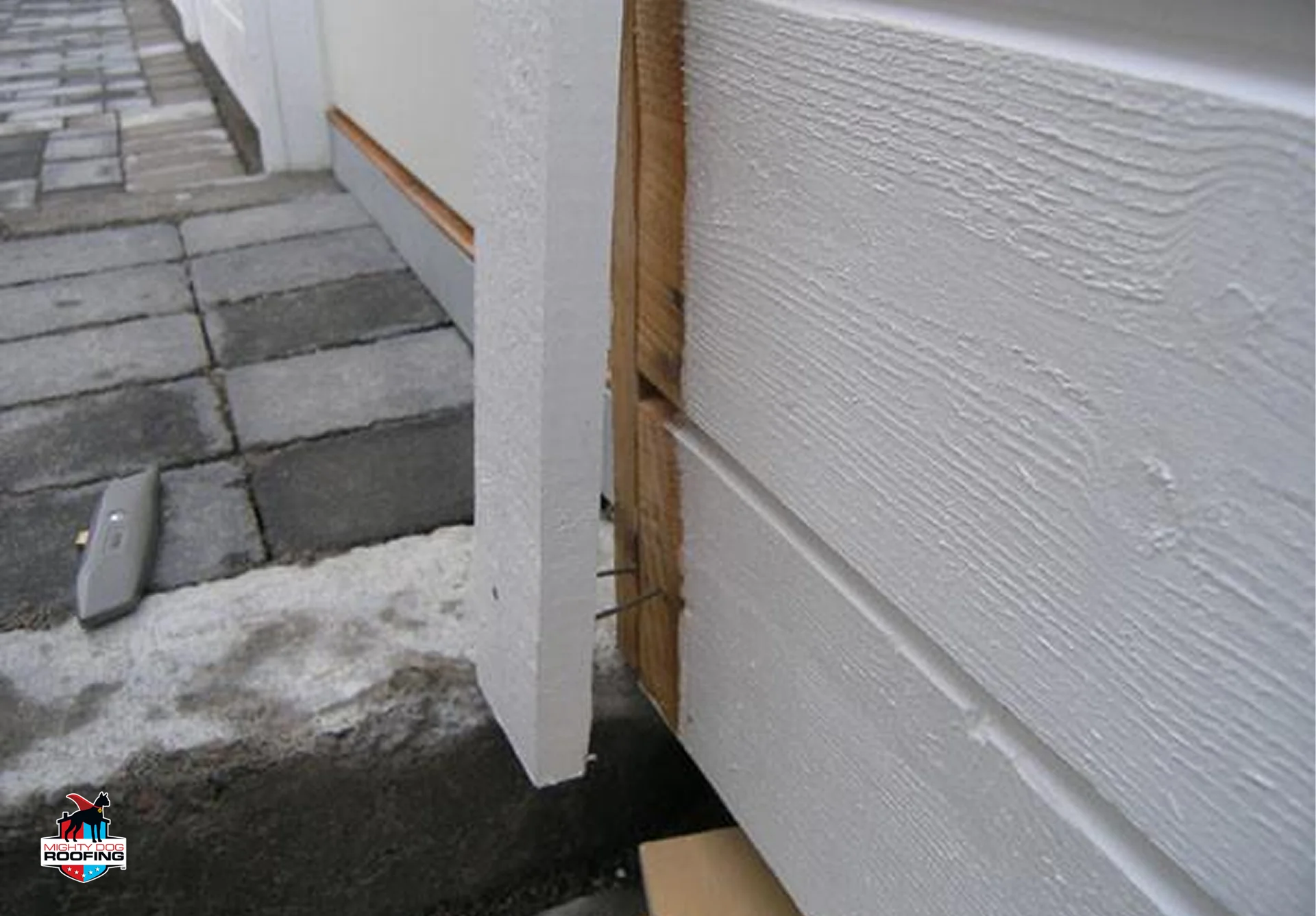
Caulk and sealant aren't decorative — they're the last line of defense at every point where two different materials meet: siding to trim, trim to window frame, siding to foundation. Those joints move slightly with temperature changes and settling, and over the years the sealant applied during construction or the last re-siding job dries out, shrinks, and eventually cracks or pulls away entirely. Once that happens, the joint is just an open gap, and water finds it every time it rains.
Why Fall Is the Right Window to Handle This
Caulk and sealant need a reasonably dry surface and moderate temperatures to cure properly. Many exterior-grade products have minimum application temperatures listed by the manufacturer, and performance is generally better when surfaces are dry and temperatures are within the recommended range. Fall gives a stretch of weather that's cool enough to matter but still warm enough for the sealant to cure correctly — exactly the window that closes once temperatures drop into the 30s and stay there.
Where Gaps Typically Show Up Before Winter
Not every part of a home's exterior is equally prone to gaps opening up. Here's where they show up most often, and what usually needs to happen to fix each one:
Location | Warning Sign | Risk If Ignored | Recommended Fix |
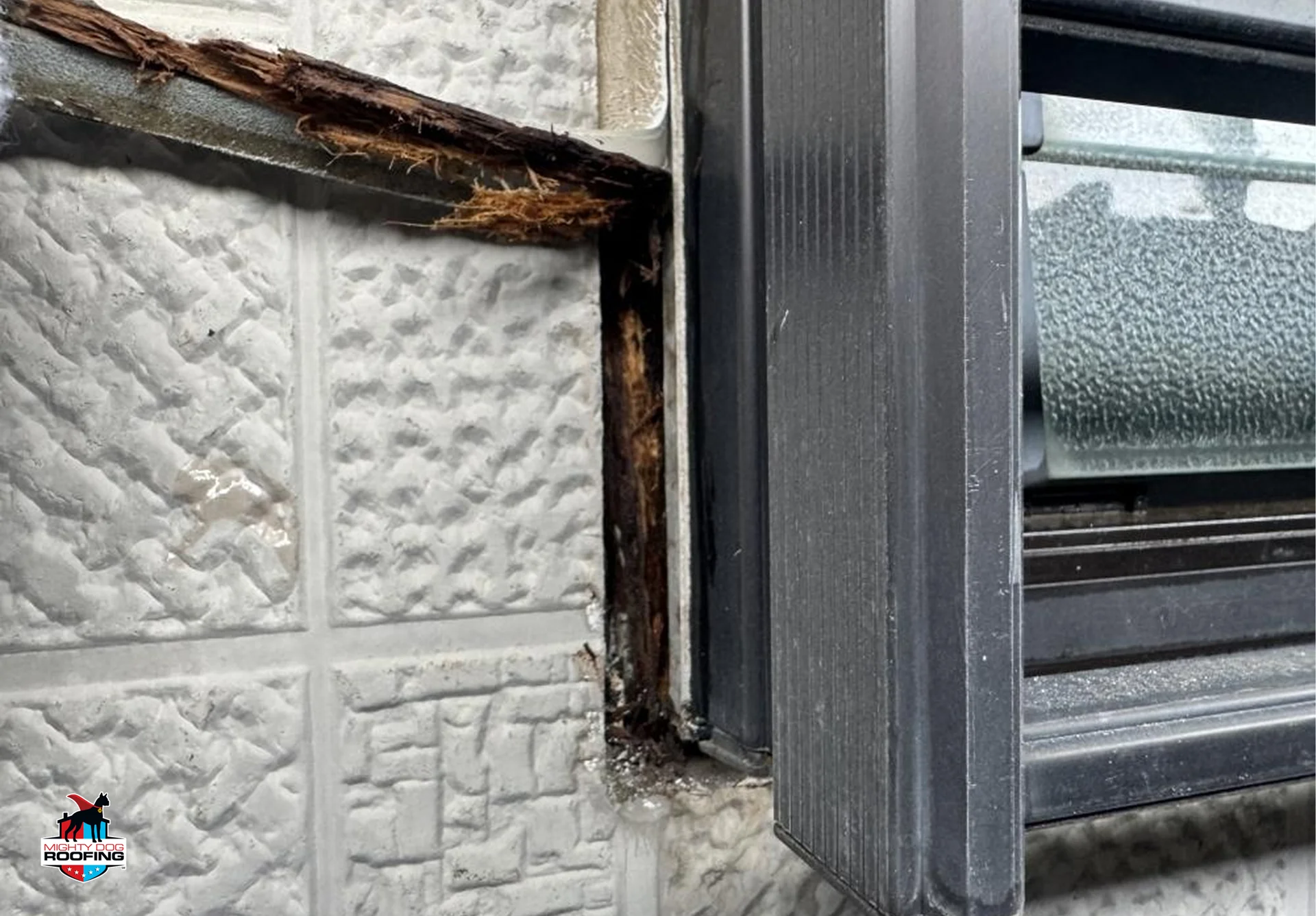
Window and door trim | Caulk bead looks chalky, cracked, or has pulled away from the frame | Drafts and water intrusion behind the trim, higher heating bills | Remove old caulk and reseal with exterior-grade sealant |
Siding seams and corner boards | Visible gap where panels meet, or a corner board pulling away from the wall | Water gets behind the siding and reaches the sheathing underneath | Re-secure the trim first, then reseal the seam |
Where siding meets the foundation | Gap at the base of the wall, or old caulk that's shrunk and cracked | Moisture and pests entering at the bottom of the wall cavity | Clean out the old sealant and apply a fresh, flexible bead |
Exterior light fixtures and hose bibs | Caulk pulling away from the edge of the fixture or spigot | Water tracks behind the siding through the penetration point | Reseal fully around every exterior penetration, not just the visible edge |
Soffit and fascia joints | Cracking or gapping where fascia meets siding or soffit | Moisture reaches the roof edge and attic space | Repair or replace damaged sections before resealing the joint |
DIY Caulking vs. Calling a Professional
What a Homeowner Can Reasonably Handle
A single tube of exterior caulk and an afternoon is often enough for small, accessible gaps — around window trim at ground level, for example, or a short seam that's just starting to separate. For small, accessible areas, the process usually involves removing old, cracked caulk, allowing the surface to dry, and applying a fresh bead of exterior-grade sealant suited to the material being sealed.
When to Bring in Certified Roofing Professionals
Gaps at heights that need a ladder, anything near the roofline or soffit, or sealant failure that's widespread across the exterior rather than a couple of isolated spots are usually worth handing to certified roofing professionals who can also confirm nothing behind the gap has already taken on water damage. New caulk can seal the visible gap, but it cannot confirm whether moisture has already affected the materials behind it.
Signs Your Home Needs Sealing This Fall
Check for sealing now if:
- Caulk around window and door trim looks chalky, cracked, or has visible gaps
- A bead of old caulk has shrunk and pulled away from one side of a joint
- Siding seams or corner boards have a visible gap you can fit a fingernail into
- There's staining or soft wood at the base of trim or siding near the foundation.
You likely have more time if:
- Caulk lines are still flexible and fully adhered on both sides
- No staining or soft spots appear below any trim or siding joint
- A recent inspection already confirmed the sealant around windows, doors, and penetrations.
How to Get This Done Before Cold Weather Sets In
What to Confirm Before Scheduling
Before booking anything, ask whether the visit includes checking the penetrations most homeowners forget — hose bibs, exterior light fixtures, cable and utility lines — not just the obvious spots around windows and doors. If sealant has failed in more than one or two places, it's worth asking whether that points to a broader problem with the original installation rather than simple wear.
Getting Ahead of the Season
Sealing work is quick compared to a full repair, but it still needs a dry stretch of decent weather to do properly, and that window gets narrower every week once fall settles in. Homeowners who contact our roofing experts now can usually get gaps checked and sealed well before the first hard freeze, rather than finding out mid-winter that a small crack let in more than anyone expected.
In many cases, preparing a home for winter starts with identifying the small areas where exterior seals have failed and correcting them before moisture and cold temperatures create larger problems. For homeowners who haven't looked closely at these joints since the home was built or last re-sided, this is a low-cost way to head off a much more expensive problem once the cold and wet weather arrives.