


For most homeowners, deciding whether to replace a roof starts with a simple question: does it actually need to be replaced? An inspection, visible damage, or an insurance assessment can help answer that question. The bigger question is how to pay for it without draining savings or putting other priorities on hold. That question gets more urgent every fall, when the weather window for a clean installation is open but narrowing, and delaying the project until spring can mean dealing with an aging or damaged roof through winter weather.
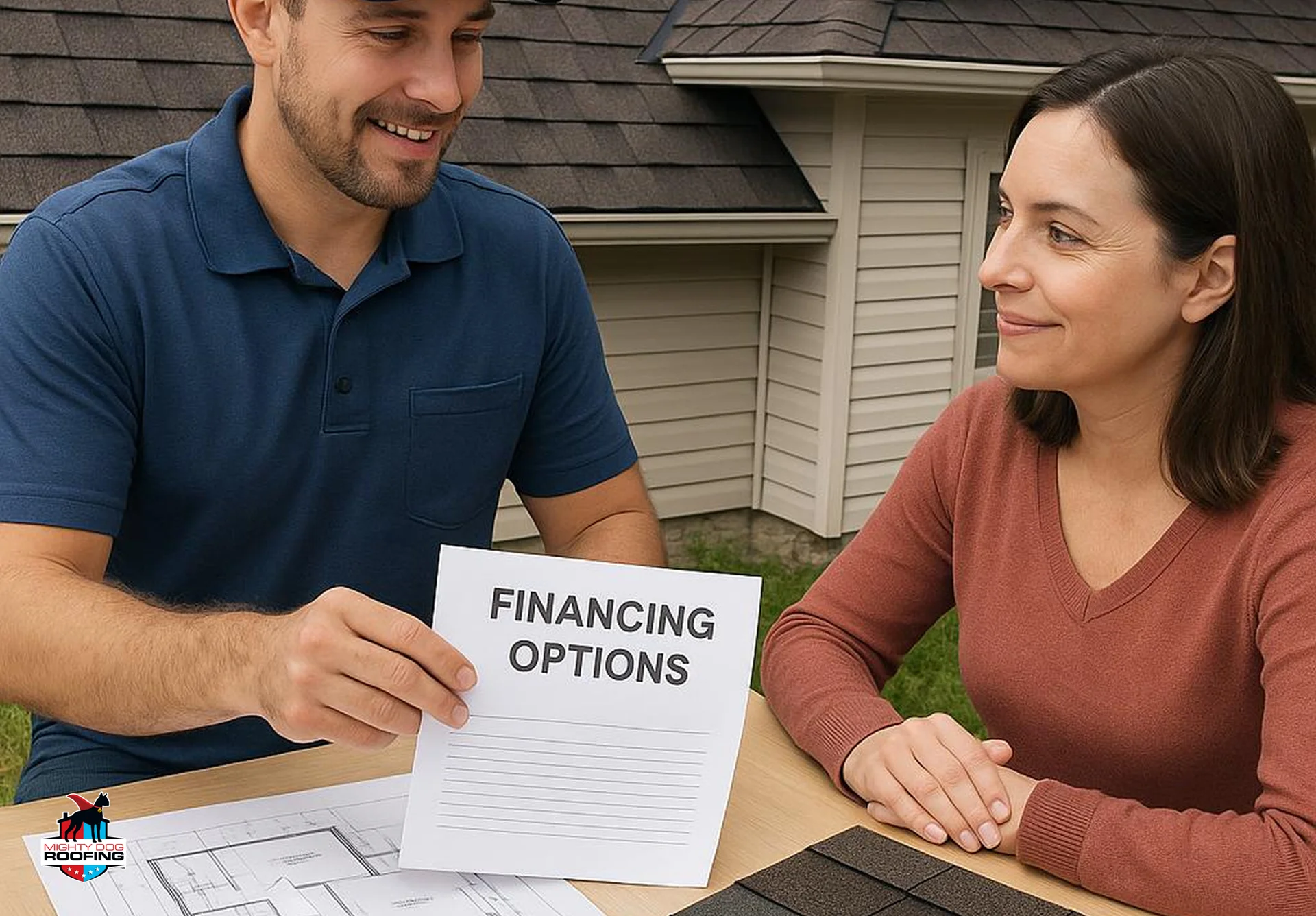
Many homeowners explore different ways to manage the cost of a full roof replacement instead of paying the entire amount at once. Delaware County homeowners may have several ways to cover the cost, from home equity products and personal loans to contractor-arranged financing and insurance for covered storm damage. The important part is understanding how each option works before signing an agreement.
At Mighty Dog Roofing of Greater Chadds Ford, financing questions often come up during fall estimates. The company serves Chester County, Delaware County, and New Castle County, and homeowners can discuss their options before deciding how to pay for the project.
Why Financing Questions Multiply Every Fall
The Real Cost Range Homeowners Are Working With
Roof replacement costs vary with roof size, pitch, material, and how much of the decking underneath needs to be addressed once tear-off begins. On many Delaware County homes, an architectural asphalt shingle roof replacement can cost anywhere from several thousand dollars to $20,000 or more, depending on the size and condition of the roof. Premium materials such as standing-seam metal or slate can cost considerably more. Working with experienced roof replacement specialists can help homeowners understand the actual scope of the project, expected costs, and whether replacement is the right solution before choosing a financing option.
Why Waiting Until Spring Can Cost More
Deferring a needed roof replacement into winter rarely saves money. A roof that's already past its service life is more likely to develop an active leak during winter storms, which turns a planned project into an emergency roof repair plus interior water damage. Contractor demand also shifts with the seasons. Spring is often a busy time for roofing projects, so waiting can make it harder to secure a preferred start date or find a roofing contractor near you.
What Financing a Fall Roof Replacement Gets Right
Spreading the Cost Without Delaying a Necessary Repair
Financing lets a homeowner act on documented roof damage now rather than waiting months or years to save the full amount out of pocket. A small roofing problem can become a much larger repair if water gets into insulation, drywall, or structural framing.
Locking In Fall Pricing Before Demand Shifts
Booking a fall replacement, whether financed or paid for out of pocket, can give homeowners more time to plan before spring demand increases. Starting the project in the fall can also give homeowners a clearer picture of the total project cost, rather than having to revisit the quote months later if project costs or conditions change.
Keeping Options Open Between Insurance and Out-of-Pocket Financing
A homeowner doesn't have to wait for an insurance claim to fully resolve before starting a financing conversation. In many cases, the financing amount can be adjusted once the adjuster's findings and payout are confirmed. This can help homeowners decide how much they need to finance while the insurance claim is being processed.
Financing Options Available to Delaware County Homeowners
There's no single best financing path — it depends on home equity, credit profile, and whether the damage is storm-related. Here's how the most common options compare:
Financing Option | How It Works | Typical Terms | Best For |
Home Equity Loan / HELOC | Borrow against equity already built up in the home, as a lump sum or a revolving line | 5–20 years, often lower interest rates because the loan is secured by the home | Homeowners with significant equity who want to consider a secured financing option |
Contractor-Arranged Financing | Some roofing companies partner with third-party lenders to offer financing applications during the estimate process | 12–60 months, sometimes with a 0% introductory period | Homeowners who want fast approval without a separate bank application |
Personal / Home Improvement Loan | Fixed-rate installment loan through a bank, credit union, or online lender | 2–7 years, higher rate than secured options but no collateral required | Homeowners who don't want to put their home equity on the line |
Homeowners Insurance Claim | May help cover replacement costs when damage is caused by a covered event such as wind, hail, or a fallen limb | Deductible applies; payout is tied to documented storm damage, not general wear | A roof damaged by a specific storm event, confirmed by inspection |
Cash-Out Refinance | Replace the existing mortgage with a larger one and use the difference for the project | Full mortgage term, rate tied to current market conditions | Homeowners already refinancing or holding a higher-rate mortgage |
What Actually Determines Approval and Rate
Financing providers typically review factors such as credit history, available equity, and the documented project scope when evaluating applications rather than relying on a rough verbal estimate. When an insurance claim is involved, approval also depends on whether an adjuster has confirmed that the damage was caused by a covered peril rather than gradual wear, which is why a written inspection report matters as much as the financing paperwork itself.
How Timing Affects Your Financing Options
Timing can affect more than the installation schedule. It may also influence how much time homeowners have to compare financing options and negotiate project terms.
Season | Contractor Demand | Financing Approval Speed | Homeowner Leverage |
Spring (Apr–Jun) | Peak demand — the busiest and most competitive season of the year | Approval times may vary depending on the lender | Least negotiating room on price or project terms |
Summer (Jul–Aug) | Still high, though slightly less intense than peak spring | Similar approval timelines to spring in most cases | Some room to compare lenders before demand shifts again |
Fall (Sep–Nov) | Eases early in the season before the fall rush builds by October and November | Often faster, since lenders and contractors aren't as backlogged | Potentially more flexibility to discuss both the project and financing terms |
Winter (Dec–Feb) | Lowest demand of the year, but scheduling itself becomes harder | Approval isn't seasonal, but project timelines often slip | More pricing leverage, offset by limited installation windows |
Fall vs. Spring
Spring generally brings suitable installation weather, but it also comes with heavier contractor demand, which can limit a homeowner's flexibility when choosing a start date or comparing financing terms. Fall can offer a useful middle ground: weather is still generally suitable for roofing work, while scheduling may be more flexible than during the spring rush.
Fall vs. Winter
Winter brings the lowest demand of the year, which may give homeowners more room to negotiate, but installation itself becomes harder to schedule and more limited by weather. Any pricing advantage in winter may be offset by a narrower installation window. For homeowners who need the work completed before winter, fall can be a more practical time to arrange financing and schedule the replacement.
Questions to Ask Before You Sign a Financing Agreement
Before signing, ask:
- Is the rate fixed for the full term, or does the agreement include a promotional period with different terms afterward?
- Is there a prepayment penalty if the loan is paid off early?
- What is the total cost over the life of the loan, not just the advertised monthly payment?
- Is approval contingent on using the contractor's in-house lender, or can financing be shopped elsewhere?
Red flags that should make you pause:
- Pressure to sign financing paperwork the same day as the estimate, before comparing other options
- A quote that changes noticeably once a specific financing plan is selected
- Vague answers about what happens to the rate after an introductory period ends
How to Approach Financing for a Fall Replacement
What to Confirm Before Scheduling
Before choosing a financing plan, get a written estimate that separates materials, labor, decking, and ventilation work. That gives you a clearer idea of how much you actually need to finance. If a claim is involved, confirm the adjuster's findings and expected coverage details are documented before deciding how much of the remaining balance needs financing, since the payout amount directly affects how much needs to be financed.
Getting Ahead of the Season
Fall is often a busy scheduling period for roof replacement across the region, and financing approval may add additional time to the overall planning process if it's left until the last minute. Homeowners who schedule a free roof estimate now have time to compare financing options calmly, rather than choosing under pressure once the first hard freeze is a few weeks away.
There's no financing option that's automatically right for every homeowner — the best fit depends on equity, credit, and whether the damage is something insurance will actually cover. But for Delaware County homeowners who have been considering a roof replacement, understanding financing options while fall scheduling is still available can make it easier to plan the project before a roofing problem becomes an emergency.