
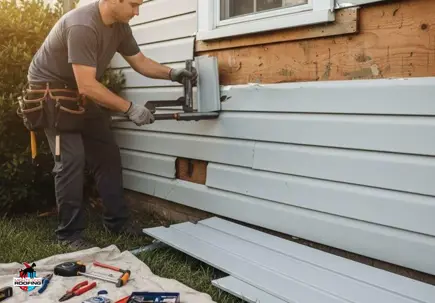
Siding damage rarely announces itself in July. A vinyl panel that's warping in the afternoon sun, a seam that's slowly drying out under UV exposure, or a fastener that's worked loose during weeks of heat expansion — none of these issues looks urgent in the middle of summer. It's only once temperatures start dropping that these small, heat-related stresses turn into cracks, gaps, and panels that no longer sit flat against the wall.
That timing matters more in Greenville than the calendar alone would suggest. Tree-lined lots and long stretches of full sun on south- and west-facing walls can put siding through significant temperature swings, and once temperatures approach freezing, some sealants become harder to apply and vinyl becomes more prone to cracking during repairs. Fall is the last real window to address summer's damage before winter locks it in place.
At Mighty Dog Roofing of Greater Chadds Ford — one of the siding companies near you serving Chester County, Delaware County, and New Castle County — post-summer siding calls follow a predictable pattern every year, and most of them trace back to damage that was visible weeks before anyone called.
Why Post-Summer Siding Damage Shows Up Now
What Summer Heat Actually Does to Siding
Vinyl siding is designed to expand and contract with temperature, but a long, hot summer pushes that movement to its limit. Panels on sun-facing walls can run considerably hotter than the surrounding air, and repeated expansion loosens fasteners, stresses seams, and can leave panels sitting slightly proud of the wall instead of lying flat. UV exposure adds a second layer of wear, making the material more brittle by the time cooler weather arrives — which is exactly when small movements start turning into visible cracks instead of quietly flexing back into place.
Why Freezing Temperatures Turn Small Gaps into Big Problems
A hairline crack or an open seam is a minor issue in September. Once moisture gets behind it and temperatures drop below freezing, that moisture expands as it turns to ice, widening the gap from the inside out. Caulk and sealant also need suitable temperatures to cure properly, so a repair attempted in freezing conditions may not bond as intended, while the same repair done before temperatures drop too far has a better chance of providing a lasting result.
What Addressing Siding Damage in the Fall Gets Right
Preventing Moisture From Freezing Behind the Wall
Once moisture works its way behind a panel through a crack or an open seam, fall is the last stretch of the year when it can still be dried out and sealed before temperatures drop. Once that same moisture is trapped behind the wall through a freeze, it has nowhere to go until spring, and it spends the entire winter doing damage the homeowner can't see. Proper drainage around the exterior also helps limit moisture exposure, makinggutter repair & installation an important part of preparing the home's exterior for winter.
Avoiding the Jump From a Simple Repair to a Full Re-Side
A single warped panel or a short run of failed caulk is typically a contained, inexpensive fix in the fall. Left through a winter of freeze-thaw cycling, that same damage tends to spread to neighboring panels and fasteners, turning what would have been a spot repair into a much larger section that needs to be replaced.
Protecting the Sheathing Before It's Hidden Under Winter Weather
Once panels come off for a fall repair, the sheathing underneath is fully visible and easy to assess and correct if needed. That same sheathing becomes far harder to evaluate and repair once winter weather sets in, which is part of why fall repairs tend to be more thorough than the same job attempted in the middle of winter.
Common Post-Summer Siding Problems Found in Greenville
Not every issue found on a fall inspection requires full siding replacement. Here's what shows up most often, and what actually resolves it before winter:
Siding Issue | Fall Warning Sign | Risk If Ignored | Recommended Fix |
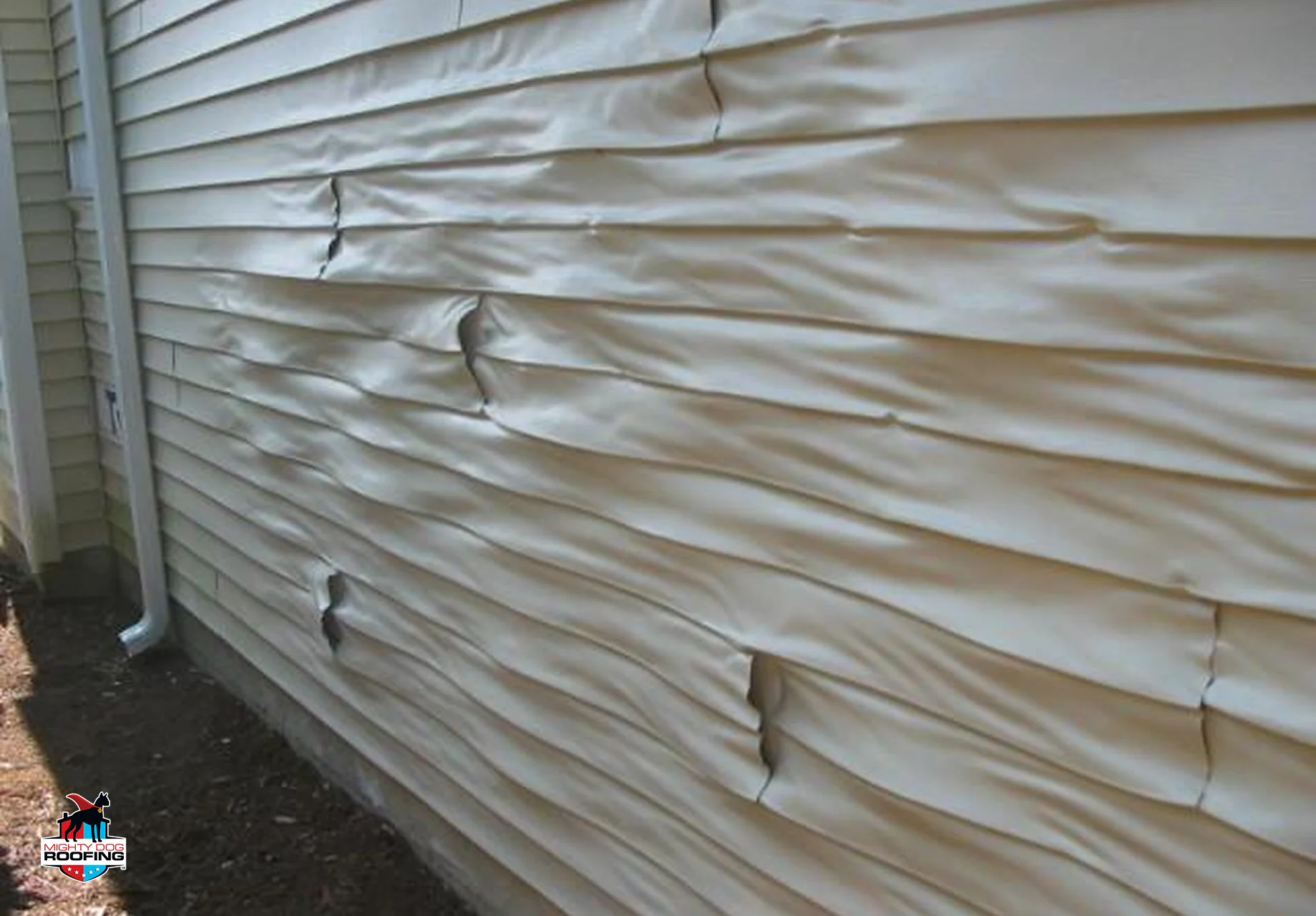
Warped or buckled panels | Wavy, rippled, or bulging sections, especially on sun-facing walls | Full panel failure and water intrusion behind the siding | Replace affected panels and reinstall them with proper clearance for expansion |
Cracked or brittle vinyl | Hairline cracks or chips near corners, seams, and trim | Cracks widen and spread once the material contracts in cold weather | Siding repair to swap damaged sections before the first freeze |
Failed caulking at seams, trim, and windows | Visible gaps or dried, cracked caulk lines | Water intrusion and ice damage behind the wall over winter | Re-caulk with exterior-grade sealant while temperatures still allow it to cure |
Loose or missing fasteners | Panels rattle in wind or shift visibly at the overlaps | Panels can detach entirely during a winter storm | Re-fasten, replace clips, or correct the nailing pattern |
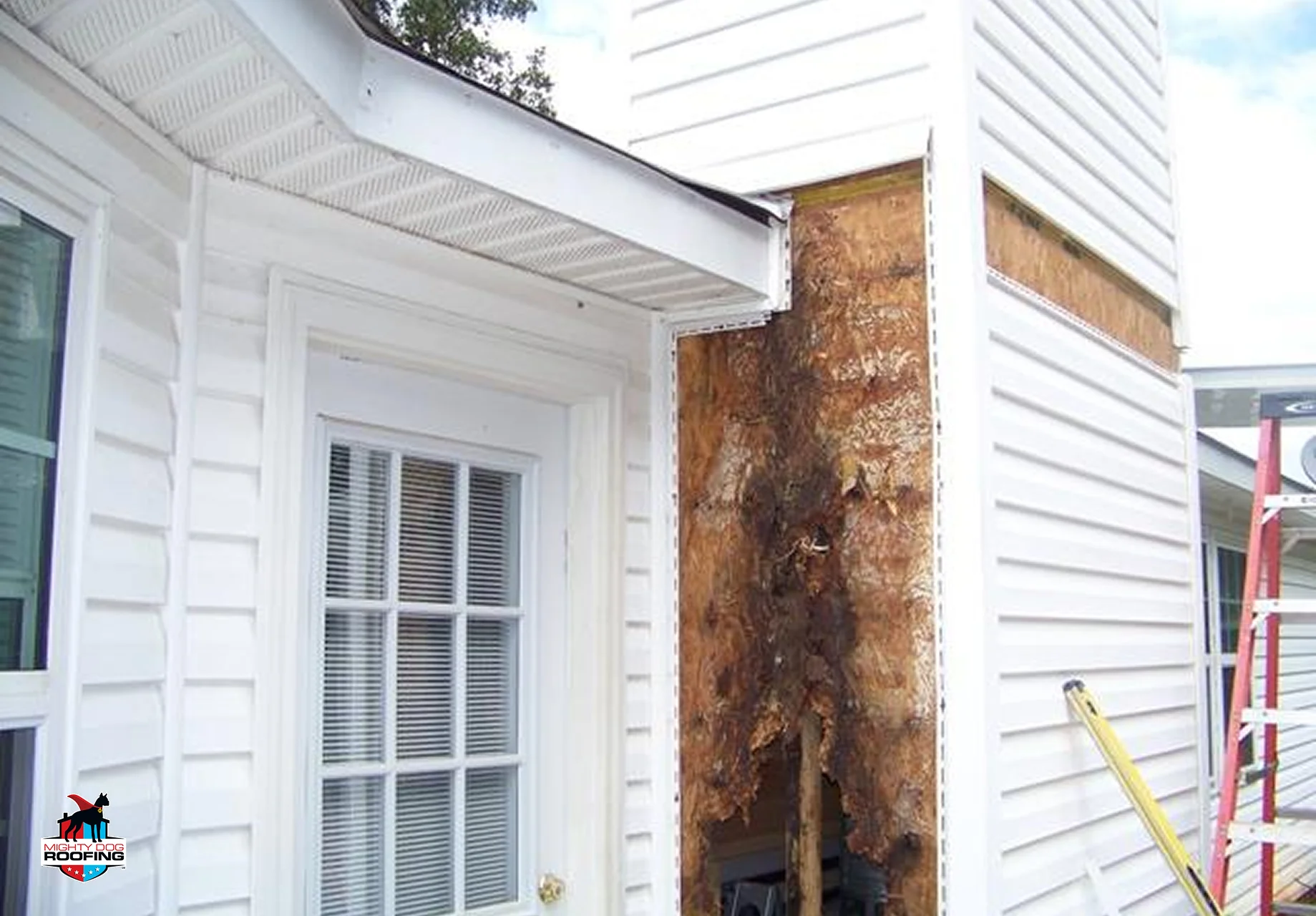
Moisture trapped behind siding | Soft spots, discoloration, or a musty smell near seams | Sheathing rot and mold, potentially requiring more extensive siding work to address | Inspect and correct the moisture source, then replace damaged sheathing |
Why the "Hung, Not Nailed Tight" Rule Matters After a Hot Summer
Properly installed vinyl siding is fastened loosely enough to slide slightly as it expands and contracts — a detail that matters far more after a summer of heavy heat cycling than it does in a mild year. Panels installed too tightly during an older siding installation have nowhere to move, so the stress shows up as buckling or cracking at the nail line instead of a smooth expansion. It's one of the most common root causes behind post-summer damage that looks like a material defect but is actually an installation issue from years earlier.
How Siding Needs Change Across the Year
Siding faces a different kind of stress depending on the season, and understanding that pattern is part of knowing why fall gets so much attention:
Season | Heat & Moisture Pattern | Siding Risk Level | Best Action |
Spring (Apr–Jun) | Moderate temperatures, ground thaw moisture around the foundation | Lower — most winter damage is already visible by now | Good time to check for anything winter left behind |
Summer (Jul–Aug) | Peak heat and UV exposure, especially on sun-facing walls | Building — stress accumulates in panels and seams but rarely shows yet | Worth a panel check even without visible symptoms |
Fall (Sep–Nov) | Cooling temperatures reveal the summer's accumulated stress | Highest of the year — cracks, gaps, and warping become visible now | The last real window to repair before the first hard freeze |
Winter (Dec–Feb) | Freezing temperatures turn small gaps into ice-driven damage | More reactive work — cold temperatures can make some siding repairs and sealant applications more difficult | Emergency work only — most fixes should already be done |
Fall vs. Summer
Summer is when the damage actually happens, but it's rarely visible while it's happening — panels are hot, flexible, and quick to settle back into place after expanding. Fall is when that accumulated stress finally shows itself as a crack, a gap, or a panel that no longer sits flush, which is why a fall inspection catches far more than a summer one does.
Fall vs. Winter
By winter, cold temperatures can make sealant application more difficult and vinyl more prone to cracking, which can limit the types of repairs that can be completed reliably. Fall is the last stretch of the year when a repair can be completed under more favorable conditions, which is exactly why waiting past the first hard freeze tends to turn a small job into a bigger one.
Signs Your Greenville Home Needs Siding Attention This Fall
Call for siding repair now if:
- Panels look wavy, rippled, or noticeably bulged on any sun-facing wall.
- You can see daylight or feel air movement through a seam, corner post, or trim joint.
- Caulk lines are cracked, shrunken, or pulling away from the surface they're sealing.
- A panel moves, rattles, or has visibly popped loose from its neighbor.
You likely have more room before winter if:
- Panels sit flat and uniform across every wall, including full-sun exposures.
- Caulking at windows, doors, and corners still looks flexible and intact.
- A recent inspection found no soft spots, discoloration, or loose fasteners.
How to Prepare Your Siding Before the Freeze
What to Confirm Before Scheduling
Before booking a repair, get a free estimate and ask whether the inspection includes sun-facing walls specifically, since that's where heat-related damage concentrates. Confirm whether damaged panels will be replaced with proper expansion clearance rather than simply refastened in place, and if caulking is part of the job, make sure it's scheduled while daytime temperatures still support a full, lasting cure.
Getting Ahead of the Season
Fall bookings for both roof and siding work fill quickly across the region, and siding repairs are far more time-sensitive than most homeowners expect — once the first hard freeze hits, several fixes simply have to wait until spring, with the damage spreading in the meantime. Homeowners who schedule a free siding inspection now can get ahead of both the scheduling crunch and the freeze itself.
Not every home needs the same level of attention — a lot with heavy afternoon sun exposure can experience different wear than a shaded, tree-lined property, and one hot summer can affect siding installed ten years ago differently from siding installed last year.
But for Greenville homeowners who've noticed a panel that doesn't sit quite right or a seam that looks a little too open, right now — while it can still be fixed properly — is the moment to have it looked at.