

Fall is a competitive window for real estate. Sellers often want to close before the holidays, while buyers may be trying to move before winter weather arrives. Shorter inspection timelines can make it harder to fully evaluate a roof and exterior that appear fine during a quick walkthrough. Falling leaves can also hide potential issues by collecting in gutters and roof valleys, covering visible signs of wear, and making roof problems less noticeable than they may actually be.
A standard home inspection does include a roof evaluation, but most general inspectors assess the roof from the ground, with binoculars or a drone, rather than examining every slope in detail. Their report can provide a useful starting point, but it usually estimates remaining life rather than documenting the roof's actual condition. A specialized roof inspection provides a closer look at the shingles, attic, and flashing areas that often determine whether a roof still has reliable service life or may require repairs soon after purchase.
At this stage, buyers and their agents often look for additional information after a general home inspection identifies a possible roof or exterior concern. Understanding the repair scope and potential costs before finalizing an offer can help them make a more informed decision.
Why Fall Home Purchases Need an Extra Look at the Roof and Exterior
How a Fast Fall Market Can Compress the Inspection Window
In a competitive fall market, sellers may set shorter inspection periods to keep the closing process moving, and some buyers may feel pressure to shorten or waive contingencies. The result is often less time to evaluate roof and exterior conditions during a season when leaves and weather can make visible issues harder to identify.
What Falling Leaves and Seasonal Staging Can Hide
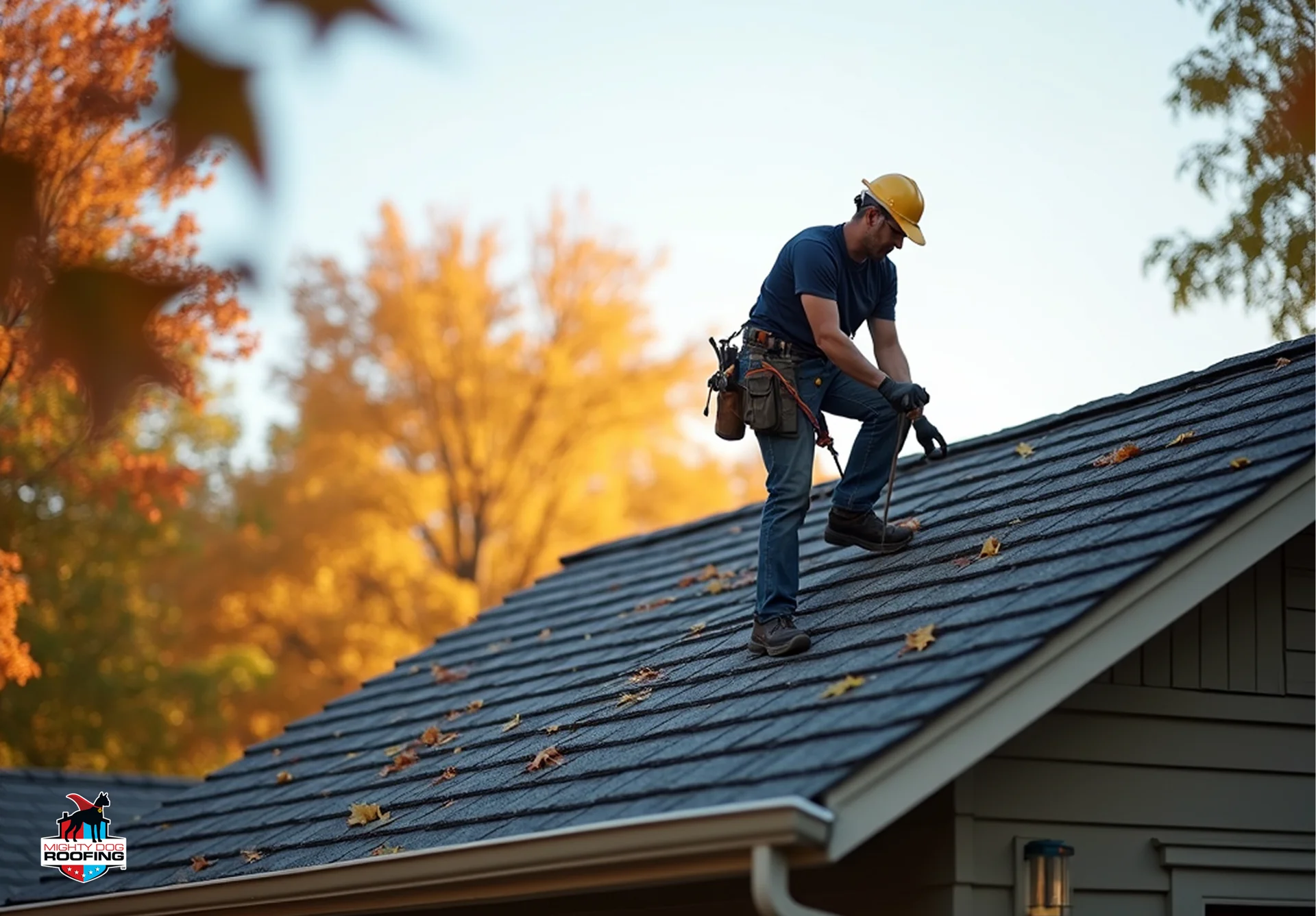
Leaves piled in a gutter or resting in a roof valley don't just create a cosmetic issue — they can hide granule loss, moss growth, and standing water that may indicate an aging roof. Sellers may also clean gutters or improve exterior appearance before showings, which can make drainage or maintenance issues less obvious. A home that looks well-maintained in listing photos still requires a thorough inspection to confirm its actual condition.
What a Missed Red Flag Actually Costs a Buyer
Repairs You Inherit the Day You Close
Once you close, any deferred roof or exterior issue becomes your financial responsibility, not the seller's. A problem the previous owner considered routine maintenance can become an unexpected repair expense for a new homeowner. A pre-closing evaluation that identifies the scope of needed roof repair services provides a more accurate estimate to use during negotiations.
How Roof Condition Can Affect Financing and Insurance
Some government-backed loan programs require an appraiser to flag obviously deteriorated roofing, which can mean repairs need to happen before closing rather than after. Separately, homeowners insurance requirements may vary based on roof age and condition. An older or visibly worn roof may lead to additional inspections, coverage discussions, or repairs before a new policy is issued. Identifying these issues during the inspection period gives buyers more time to plan, negotiate, or address potential requirements.
Common Roof and Exterior Red Flags Buyers Miss During a Showing
Not every roof issue is visible from the driveway, and not every visible issue is serious. Here's what shows up most often during pre-purchase roof evaluations, and what it actually means:
Red Flag | What It Looks Like | Why It Matters | Recommended Next Step |
Curling or cupped shingles | Shingle edges lifting upward or the center dishing inward | Sign of a shingle nearing the end of its service life and more prone to wind and water damage | Roof inspection to confirm scope and realistic remaining life |
Heavy granule loss | Dark, sand-like grit collecting in gutters or downspouts; bald or shiny patches on the shingle | Accelerates UV damage and water absorption, shortening the roof's remaining lifespan | Inspection before waiving any contingency tied to the roof |
Moss or dark algae streaks | Greenish patches or black streaking, usually on shaded or north-facing slopes | Holds moisture against the shingle and lifts edges, accelerating decay underneath | Assess whether it's still surface-level or has already compromised the shingles |
Multiple layers of existing shingles | A thick, uneven-looking roof edge or ridge line | Many local codes cap roofing at two layers; the next replacement requires a full tear-off at higher cost | Confirm layer count before estimating any future replacement cost |
Sagging roofline or a visible dip | A dip or wave visible when viewed from the street at an angle | Can indicate structural or decking issues that go beyond the shingles themselves | Structural assessment before treating it as a routine roof repair |
Rusted or missing flashing | Gaps, rust streaks, or failed caulking around chimneys, vents, and skylights | A common area where hidden leaks develop and a detail that can be difficult to evaluate without a close inspection | Flashing repair scoped separately from the roof's overall condition |
Gutters and exterior trim tend to fail on the same timeline as the roof, and often for the same reason. Rust streaks, sections pulling away from the fascia, or overflow marks staining the siding below a gutter run usually mean drainage has been a problem for a while, not just since the last storm — and it's worth asking specifically about gutter repair and installation needs alongside the roof evaluation, since the two are rarely unrelated.
The Roof Age and Remaining Life Standard Buyers Should Ask About
Quality architectural shingle roofs often provide 25 to 30 years of service life, while premium products may last longer under favorable conditions. However, buyers do not always receive complete documentation showing installation dates, permits, or warranty information.
A general inspector's remaining-life estimate is a visual assessment, not a detailed roof condition report. Requesting a specific roof inspection during your contingency period provides a written report with photos that documents the roof's condition and can support repair discussions or price negotiations if issues are identified.
How a Fall Home Purchase Compares to Other Times of Year
Roof visibility and buyer leverage shift depending on when you're closing, and understanding that pattern is part of knowing why fall deserves extra attention:
Season | Market Pace & Buyer Behavior | Inspection Risk | Best Action |
Spring (Mar–May) | Listings pick up; buyers generally have more time to compare properties | Moderate — most roof flaws are still visible before leaf cover returns | A reasonable time to negotiate a longer inspection period |
Summer (Jun–Aug) | Dry stretches make roof surfaces easiest to evaluate visually | Lower — moss, algae, and drainage issues are hardest to hide | Good conditions for a thorough walk of the roof and gutters |
Fall (Sep–Nov) | Compressed timelines as sellers push to close before year-end | Highest — leaf cover and quick staging can mask real issues | Request a documented roof inspection rather than relying on a visual pass |
Winter (Dec–Feb) | Fewer listings, but motivated sellers and buyers | High in a different way — snow or ice can make some areas impossible to inspect | Build a post-closing inspection contingency into the offer if access is limited |
Fall vs. Spring
Spring gives buyers more time and clearer roof visibility before trees fully leaf out again, but it also means more competition from other buyers making offers on the same properties. Fall trades away some of that competition for a shorter, leaf-covered window to actually see what you're buying.
Fall vs. Summer
Summer is typically the easiest season to evaluate a roof visually — dry conditions, full daylight, and no leaf cover. A property that looked clean during a summer showing can still develop the same fall-specific blind spots once leaves start falling, which is why a roof that seemed fine a few months earlier is still worth a fresh look before a fall closing.
Fall vs. Winter
Winter listings move slower, but snow and ice can make parts of a roof genuinely impossible to inspect, sometimes pushing a real evaluation past the closing date entirely. A fall closing at least allows a full visual and photographic inspection before winter weather limits access — it just requires actually using that window instead of relying on a quick walkthrough.
Signs You Should Negotiate Before Closing
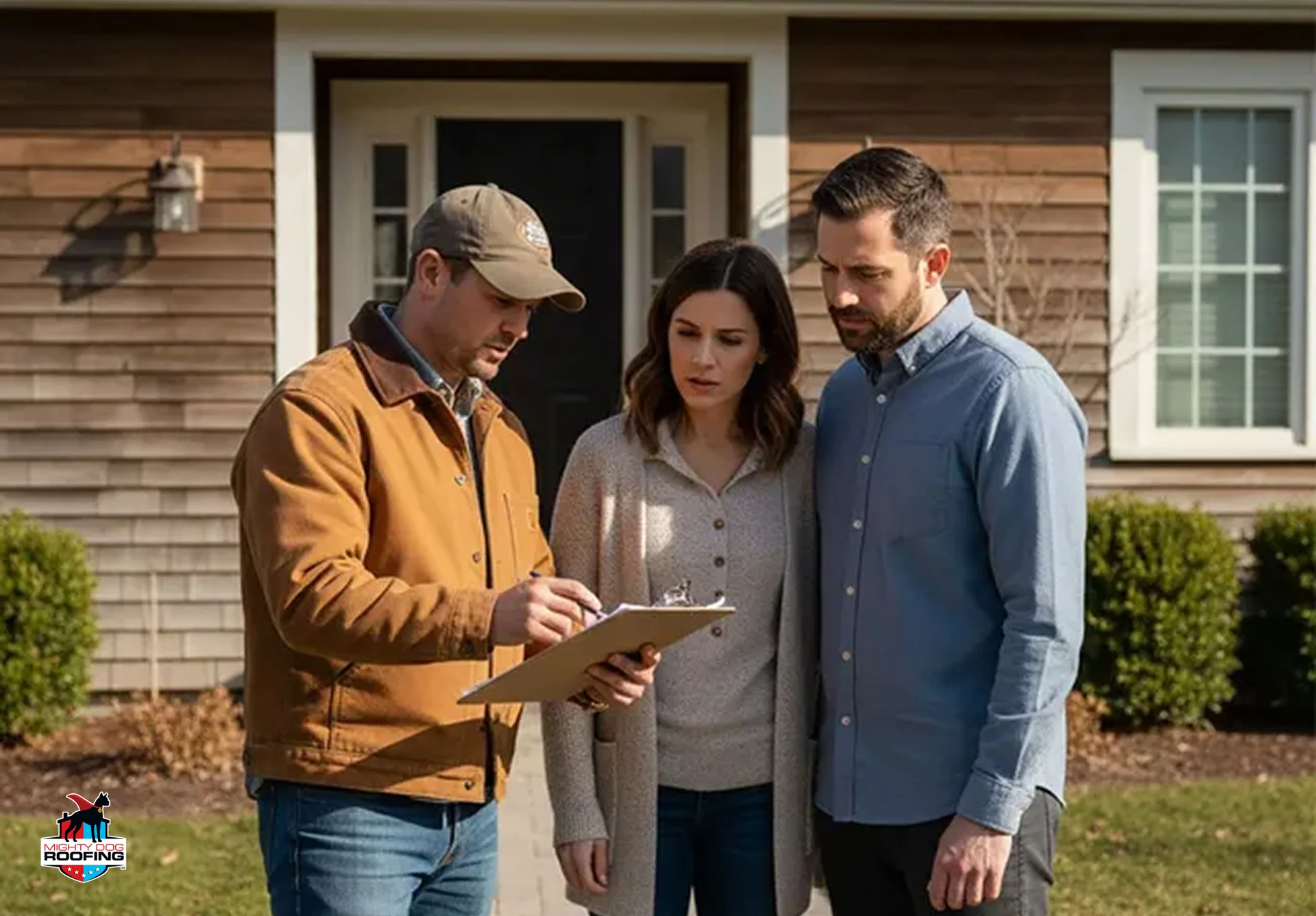
Ask for repairs, a credit, or a price adjustment if:
The roof shows curling, cupping, heavy granule loss, or moss on more than an isolated section
You can see daylight, staining, or soft decking from inside the attic near any roof penetration
Gutters are rusted, sagging, separated from the fascia, or clearly overflowing based on staining below them
The seller's disclosure doesn't include a roof installation date and no permit record is available
You're likely in good shape if:
A documented inspection confirms the roof, flashing, and gutters are performing as expected for their age
The seller can provide a permit, invoice, or warranty registration establishing installation date
There's no visible staining, sagging, or moisture evidence in the attic or along the roofline
How to Use Your Inspection Period Effectively
What to Confirm Before You Waive Any Contingency
Before agreeing to waive an inspection contingency to strengthen an offer, confirm whether a general home inspection has already covered the roof in enough detail to rely on, or whether it was a ground-level visual pass only. Ask whether the seller has any prior roof work documentation, and whether your agent can build in a short window for a specialized roof evaluation even within a fast-moving fall timeline.
Getting a Second Opinion Before Closing Day
If a general inspection flags anything on the roof, gutters, or exterior trim, a second, more specific look is worth the time before you finalize your decision. A written scope forroof repair orgutter repair and installation gives you an actual number to bring back to negotiation, rather than a vague concern that's easy for a seller's agent to dismiss.
Roof condition depends on a home's age, materials, previous repairs, and maintenance history. For buyers moving quickly through a fall closing, a documented roof and exterior evaluation before purchase can show current issues, remaining service life, and potential repair needs in the years ahead.