
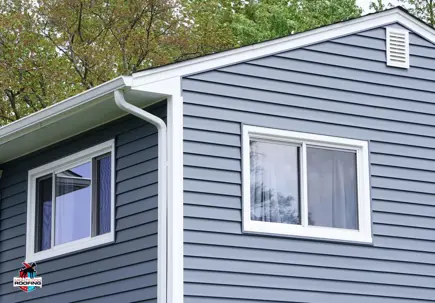
Most property owners plan their exterior cladding projects around budget availability — not weather conditions. Yet in Pennsylvania, siding replacement timing Chester County experts recognize plays a critical role in long-term performance. Fluctuating temperatures, moisture levels, and crew schedules all influence how precisely your new exterior gets fastened and how many years it holds up. At Mighty Dog Roofing, we think every homeowner deserves a transparent, season-by-season guide before moving forward with any project.
Why Timing Affects Siding Installation Quality
How Temperature Affects Siding Materials
Panel materials expand and contract noticeably as the thermometer shifts, meaning improper timing leads to warped sections or unsightly gaps over time. In addition, freezing conditions turn certain products brittle, which raises the chance of fractures during cutting and fastening. Adhesives, caulks, and weatherproofing compounds also require minimum vinyl siding installation temperature thresholds to bond correctly. Fall below those marks, and seals weaken — giving water a direct path behind your walls.
How Humidity and Moisture Affect the Process
Mounting new panels over a damp substrate locks moisture against the sheathing, gradually triggering mold growth, wood rot, and even structural compromise. Rainfall before or mid-project amplifies these hazards because saturated surfaces prevent reliable adhesion and proper sealing. Pennsylvania's shifting humidity patterns throughout the year further complicate scheduling, especially from late spring into the warmest months.
Key moisture-related concerns during siding installation season:
- Condensation building up between existing sheathing and freshly mounted panels
- Weather delays stretching timelines and leaving exposed wall sections vulnerable
- Elevated summer humidity slowing cure rates for caulk and protective compounds
- Pooling water at the foundation line weakening the lowest panel courses
Given all of this, the best time to replace siding Pennsylvania homeowners should aim for is a sustained period of dry, temperate weather — something our region delivers only within certain calendar windows.
The Best Months — and Why
Spring (April–May) — The Ideal Window
Spring earns its reputation as the top choice for residential siding replacement throughout Chester County and neighboring communities. Comfortable temperatures accommodate every material type — from panels to fiber cement to engineered wood. Moisture levels stay manageable, and dry stretches allow thorough wall preparation alongside dependable sealing. Moreover, contractor calendars haven't yet filled up with summer demand. Most critically, an April or May project grants your exterior the longest adjustment period before winter puts every joint and fastener under stress.
Early Fall (September–October) — A Strong Second Choice
After the intense summer heat subsides, September and October restore conditions to the sweet spot for when to install siding PA projects. This shoulder season also carries a scheduling advantage that many homeowners fail to consider.
Why fall works well for siding installation Delaware County and Chester County homeowners:
- Daytime readings between 50°F and 75°F provide excellent working conditions for all major materials
- Crew availability improves once the summer backlog winds down
- Product pricing frequently levels off or dips compared to high-demand months
- Crisp autumn air accelerates caulk and paint cure times
However, every autumn project demands a strict finish-by date. Wrapping up before November matters enormously, since once overnight readings consistently fall below 40°F, cold-related complications compound rapidly.
The Worst Months — and the Risks
Winter (December–February) — The Highest Risk Period
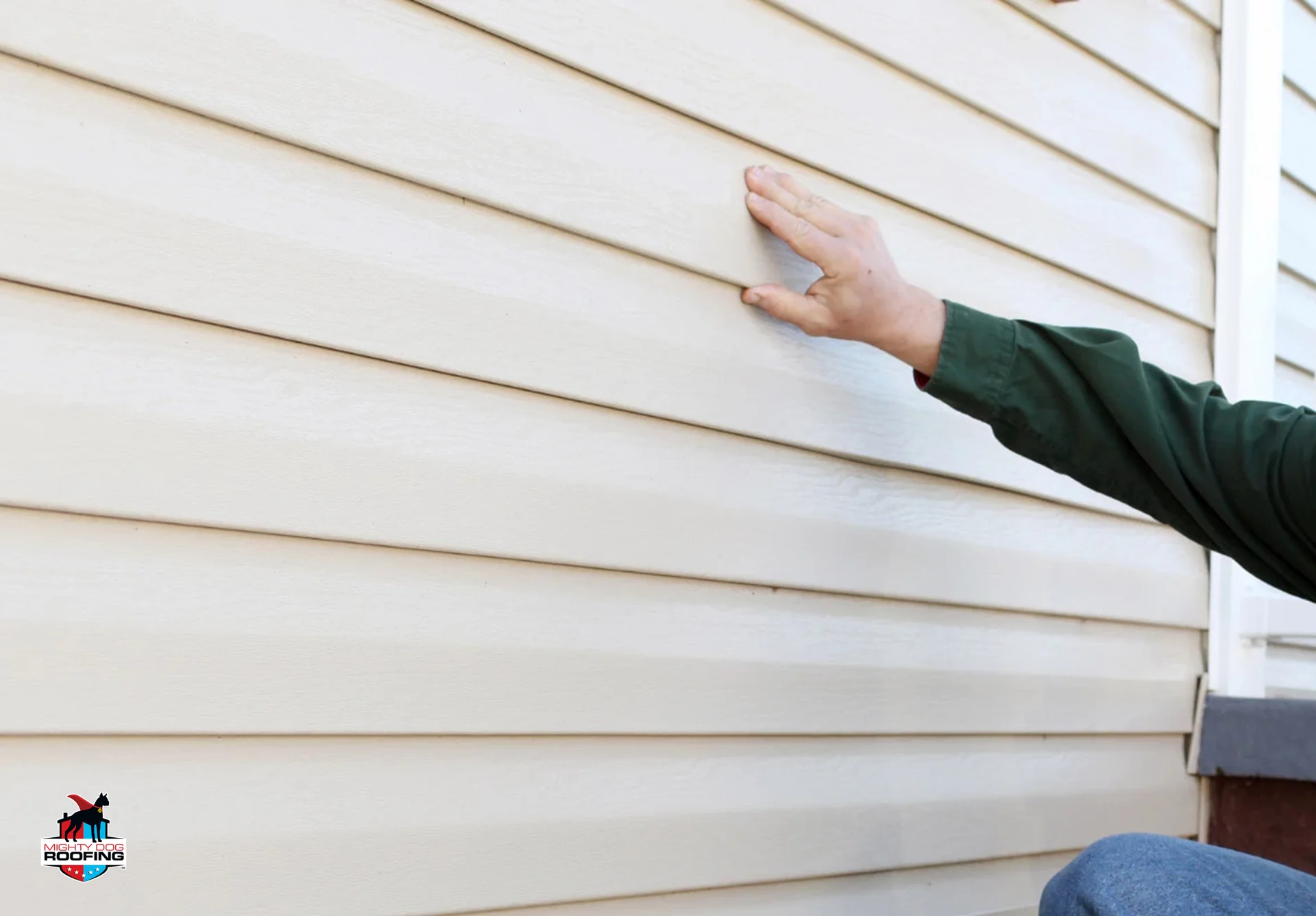
Winter creates the toughest environment for exterior replacement anywhere in our region. Panel-grade materials demand at least 40°F for safe manipulation, and fiber cement alongside engineered wood each impose their own low-temperature limits. Certain manufacturer warranties even become void when crews mount products below designated temperature floors. Caulk and protective compounds applied at or near freezing refuse to cure properly, producing gaps that welcome water intrusion. Nonetheless, emergency winter projects sometimes cannot wait — and in those situations, Mighty Dog Roofing follows strict cold-weather protocols to keep risk as low as possible.
Peak Summer (July–August) — Underrated Problems
The hottest months seem tailor-made for outdoor construction, yet July and August introduce overlooked complications. Scorching heat forces panels to over-expand on the wall, and if crews calibrate gaps based on those inflated dimensions, materials shrink and separate once cooler weather arrives. On top of that, contractor demand peaks during this stretch, resulting in extended wait times, reduced scheduling flexibility, and occasionally hurried teams juggling too many commitments at once.
How Each Material Responds to Seasonal Conditions
Vinyl Siding — The Most Temperature-Sensitive
This material delivers its best results when mounted between 40°F and 85°F. Step outside that band, and installers need to recalculate expansion allowances while handling each piece with extra caution to avoid cracks or distortion. Lower-grade products prove especially unforgiving — they simply lack the engineered flexibility to endure temperature extremes. As a result, bargain-tier material mounted in unfavorable conditions deteriorates significantly faster. Choosing this option means respecting that temperature window without exception.
Fiber Cement — More Forgiving, But Not Immune
Fiber cement tolerates temperature variation far more gracefully because its dimensional movement remains minimal by comparison. Still, moisture hazards during the mounting process absolutely apply — saturated fiber cement absorbs water readily, undermining paint adhesion and shortening its lifespan. For autumn projects in particular, priming and painting schedules require careful attention. A siding contractor near you should time the coating phase during the warmest daylight hours and wrap up well ahead of evening temperature drops.
Engineered Wood — Moisture Is the Main Risk
Engineered wood relies on dry surroundings more than any specific temperature range. Spring projects carry heightened risk if the work area hasn't fully dried following winter snowmelt and seasonal rainfall. Soaked sheathing or standing water near the base can wick upward into panels, causing premature warping or layer separation. On the positive side, correct flashing details and thorough sealing go a long way toward offsetting timing limitations — as long as the crew maintains discipline during preparation.
How Timing Affects Cost and Contractor Availability
When You'll Pay More — and When You Won't
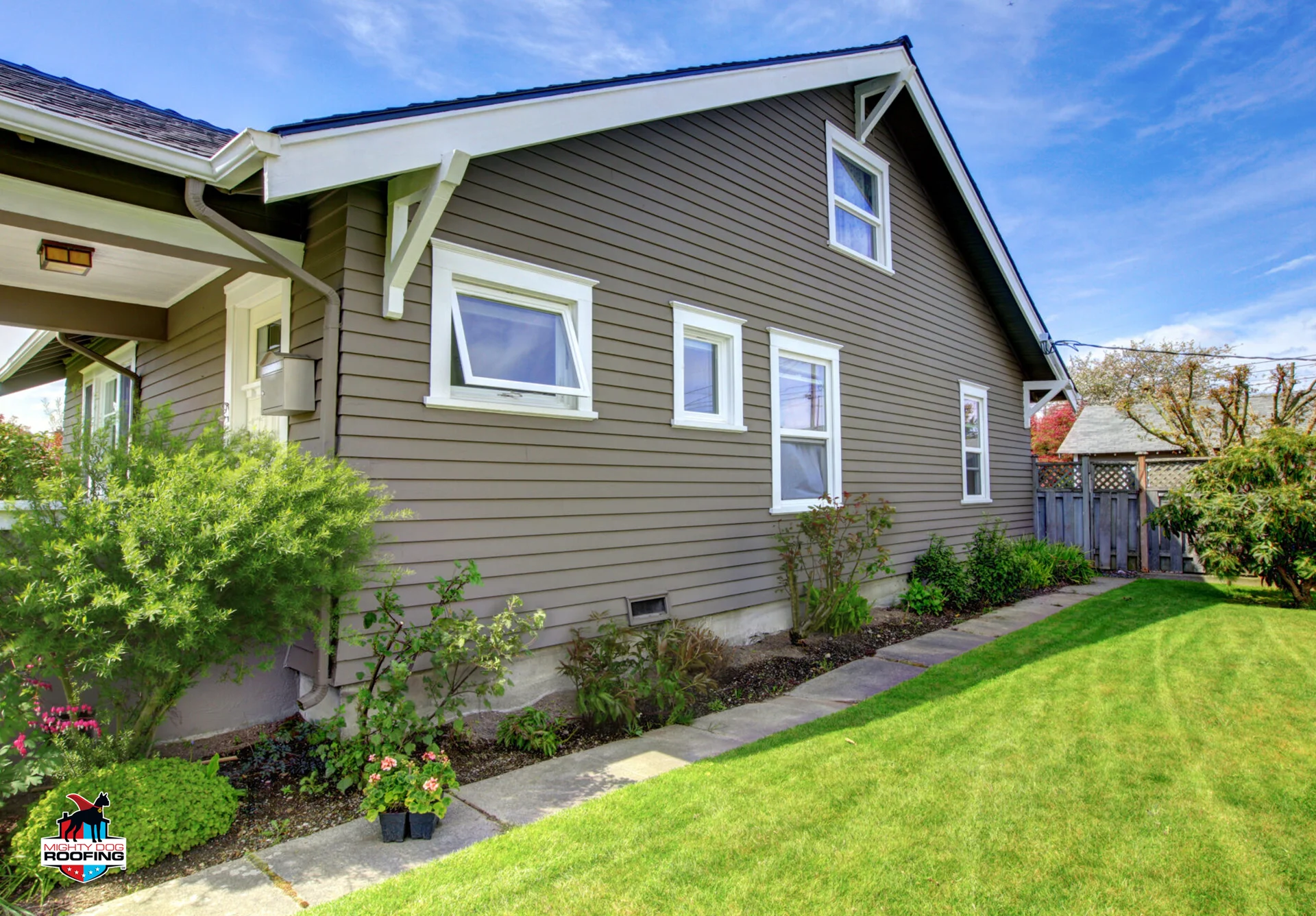
Market demand shapes pricing in this trade just as it does in any other. Spring and summer generate the heaviest volume of homeowner inquiries, which inevitably drives estimates upward and stretches lead times to several weeks or longer.
Seasonal pricing patterns for Chester County projects:
- Late spring through summer: highest demand translates to premium estimates and 4–8 week queues
- September through early November: inquiry volume declines, opening space for negotiation and quicker start dates
- Winter months: lowest demand overall, though weather-related hazards can neutralize any financial upside
- Securing your spot 6–8 weeks before your preferred start date unlocks access to top-tier crews and more competitive bids
Mighty Dog Roofing recommends reserving your project no fewer than six weeks out, no matter what the calendar reads. That buffer reliably grants homeowners greater leverage over scheduling, product choices, and total expenditure.
Getting the Best Value Regardless of Season
Before committing to any agreement, ask your contractor precisely how they adapt their process to extreme cold or heat — evasive responses reveal a lack of hands-on experience. Additionally, treat the lowest estimate during peak months with healthy skepticism, because deeply discounted pricing frequently signals hurried execution or underqualified labor. Focus instead on proven craftsmanship and clear accountability. Book a consultation with certified siding professionals before the next seasonal surge so you secure the right timeline for your property.