
How should homeowners prepare for a roof leak insurance claim?
When a roof leak suddenly appears, many homeowners feel overwhelmed by the damage, the paperwork, and the uncertainty of dealing with insurance. Knowing what to expect can make the process more manageable. For homeowners in Ridgefield, Connecticut, preparing correctly from the beginning can help reduce stress and improve communication with both the insurance company and the roofing contractor.
What Is the First Step in a Roof Leak Insurance Claim?
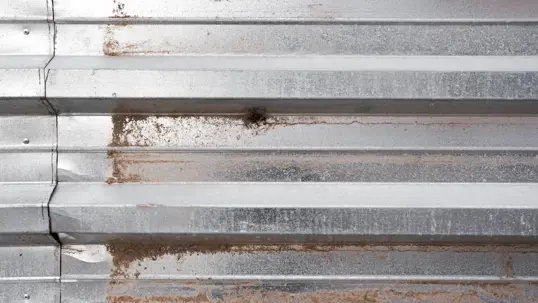
The first step is assessing the roof damage carefully. Homeowners should take time to identify visible signs of damage and document what they see. This often includes interior water stains, missing shingles, leaks, or visible exterior damage after a storm.
Photographs can help create a clear record of the condition of the roof before repairs begin. Keeping notes about when the leak was discovered and any related weather events can also support the claim process.
According to this guide on the roof insurance claim process, having a clear understanding of the damage early on helps homeowners move more confidently through the next stages of the claim.
Why Is Documentation So Important for Roof Repair Claims?
Documentation helps create a timeline and record of the roof leak. Insurance companies typically need evidence showing the extent of the issue before approving repairs or replacement work.
Helpful documentation may include:
Photos of roof and interior damage
Notes about when the leak started
Records of temporary protection measures
Inspection reports from a roofing contractor
Copies of communication with the insurance company
For homeowners in Ridgefield, Connecticut, severe weather and seasonal conditions can sometimes contribute to roofing problems. Keeping detailed records helps clarify how and when the damage occurred.
Should Homeowners Make Temporary Repairs?
Temporary measures may help prevent additional water intrusion while waiting for an inspection or claim review. Simple steps like covering exposed areas or managing interior water leaks can help reduce further damage.
However, homeowners should avoid making major repairs before the insurance adjuster or roofing professional evaluates the roof. Large changes to the roof could make it harder to document the original condition.
How Can a Roofing Contractor Help With the Insurance Process?
A professional roofing contractor can help homeowners understand the condition of the roof and identify visible damage. Contractors often assist by performing inspections and providing information that supports the insurance claim process.
Working with experienced roofing companies can also help homeowners better understand potential repair or roof replacement needs. Clear communication between the contractor and insurance provider may help streamline the process.
For many homeowners, roof damage is unfamiliar territory. Having guidance from a knowledgeable roofing contractor can make the situation feel more manageable and less confusing.
What Should Homeowners Expect During the Insurance Inspection?
Once the claim is filed, the insurance company may schedule an adjuster inspection. During this visit, the adjuster reviews the roof damage and determines what may qualify under the policy.
Homeowners should be prepared to:
Share documentation and photos
Explain when the leak was discovered
Discuss any emergency mitigation steps taken
Provide contractor inspection findings if available
Being organized can help the inspection move more smoothly. It also ensures important details are not overlooked.
Why Does Communication Matter Throughout the Claim?
Clear communication is essential during every stage of the roof insurance claim process. Homeowners should keep copies of emails, claim numbers, inspection schedules, and repair discussions.
Staying informed and responsive helps avoid delays and confusion. It also gives homeowners a better understanding of what to expect as the claim progresses.
How Does Roof Replacement Differ From Roof Repair in an Insurance Claim?
Some roof leaks may require minor repairs, while others may lead to a full roof replacement recommendation. The extent of the damage usually determines the next step.
A roofing contractor can help explain whether the roof condition appears isolated or widespread. Insurance evaluations may also influence whether repair work or replacement is approved.
In many cases, homeowners preparing for a roof leak insurance claim benefit from understanding both possibilities ahead of time. Knowing the difference can help set realistic expectations during the process.
Local Considerations for Homeowners in Ridgefield, Connecticut
Homeowners in Ridgefield, Connecticut often experience changing seasonal weather that can place stress on roofing systems over time. Heavy rain, wind, and fluctuating temperatures may contribute to roofing concerns that are not immediately visible until a leak appears indoors.
Because local homes vary in age and roofing style, having a local roofing contractor inspect the roof can provide valuable insight into the condition of the system and potential repair considerations.
Homeowners in Ridgefield also benefit from acting quickly once a leak is noticed. Prompt documentation and communication can help minimize additional damage while the insurance claim moves forward.
Common Myth About Roof Leak Insurance Claims
Myth: Filing a Roof Leak Claim Automatically Means Full Roof Replacement
This is not always true. Some claims may involve targeted roof repair work rather than a complete replacement. The outcome depends on the extent of the damage and the insurance evaluation process.
Understanding this helps homeowners approach the claim process with realistic expectations. A roofing contractor can help explain what damage is visible and what repair options may exist.
Why Preparation Makes the Roof Insurance Process Easier
Preparing early helps homeowners stay organized and informed throughout the insurance process. Documenting damage, communicating clearly, and working with a trusted roofing contractor all contribute to a smoother experience.
For many homeowners, the process becomes less stressful when they understand the steps involved and have professional guidance from the beginning.
FAQ
What should homeowners do immediately after discovering a roof leak?
Homeowners should document the damage, take photos, and contact a roofing contractor to inspect the roof condition.
Can temporary repairs be made before the insurance inspection?
Minor temporary measures may help prevent further damage, but major repairs should usually wait until after documentation and inspection.
Will insurance always cover roof leak damage?
Coverage depends on the insurance policy and the cause of the damage reviewed during the claim process.
Should homeowners work with a roofing contractor during the claim?
Yes. A roofing contractor can help inspect the roof, identify visible damage, and provide information that supports the process.
How long does a roof insurance claim usually take?
The timeline varies depending on inspections, documentation, and communication between the homeowner, contractor, and insurance company.
How Should Homeowners Prepare for a Roof Leak Insurance Claim?
Homeowners should prepare for a roof leak insurance claim by documenting visible damage with photos, reviewing their insurance policy, and scheduling a professional roof inspection. In Ridgefield, Connecticut, keeping records of temporary repairs and storm dates can also help support a smoother claims process and improve communication with the insurance company.
If you are dealing with roof damage and need guidance from experienced roofing companies in Ridgefield, Mighty Dog Roofing of Fairfield County can help you navigate the roof repair or roof replacement process with confidence. Contact Mighty Dog Roofing of Fairfield County to discuss your roofing concerns or visit the website to learn more about protecting your home in Ridgefield, Connecticut.