

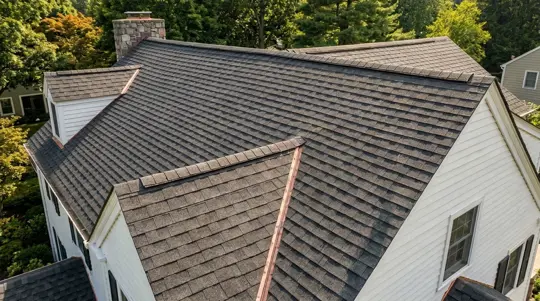
What is the typical sealing time for newly installed shingles?
Under ideal conditions, asphalt shingles can begin to seal within a few hours, but complete sealing often takes several days. Warm temperatures and direct sunlight help activate the adhesive strips, while cooler weather, shade, or seasonal conditions may extend the sealing process significantly.
How Do Asphalt Shingles Seal After Installation?
Asphalt shingles are designed with adhesive strips that bond shingles together once they are exposed to environmental conditions after installation. The sealing process occurs as adhesive strips respond to environmental conditions after installation.
When new shingles are installed, the adhesive strips are not immediately bonded. Instead, they rely on environmental conditions to activate and form a proper seal. The speed of the sealing process depends on environmental conditions such as temperature, sunlight exposure, and weather patterns.
The sealing process is a normal part of how asphalt shingles function after installation. Adhesive strips are manufactured as part of the shingle system and are intended to create contact between neighboring shingles over time. Because environmental conditions vary from one location to another, the time required for sealing can differ between roofing projects.
For homeowners in Ridgefield, Connecticut, seasonal weather conditions can influence how quickly the sealing process occurs after installation. Conditions during spring, summer, fall, and winter may all affect how newly installed shingles respond during the early stages after placement on the roof.
In addition to seasonal changes, day-to-day weather variations can also influence the conditions surrounding a newly installed roof. Temperature fluctuations, changing sunlight exposure, and other environmental factors are often discussed when evaluating how asphalt shingles progress through the sealing process after installation.
What Factors Affect Shingle Sealing Time?
Several conditions can influence how quickly newly installed shingles achieve a complete seal.
Temperature
Temperature is one of the primary factors associated with the sealing process of asphalt shingles. Temperature conditions can vary throughout the day and across seasons, creating differences in how shingles respond after installation.
Sunlight Exposure
Sunlight exposure is one of several environmental factors associated with the sealing process of asphalt shingles. The amount of sunlight reaching a roof surface can vary depending on surrounding conditions and roof design.
Weather Conditions
Weather conditions are among the environmental factors associated with the sealing process after installation. Conditions such as changing temperatures, cloud cover, and seasonal weather patterns can all be part of the overall environment surrounding a newly installed roof.
Roof Orientation
Different slopes and roof faces may receive varying amounts of sunlight throughout the day. Roof orientation can affect the amount of sunlight different roof areas receive throughout the day.
For properties throughout Fairfield County, environmental conditions can influence how the sealing process progresses across different roof areas. Variations in exposure and seasonal conditions can create different experiences from one property to another.
Because multiple environmental factors may occur at the same time, the sealing process is often influenced by a combination of conditions rather than a single factor. Understanding these conditions can help provide context for why sealing timelines may vary between roofing projects.
What Happens If Shingles Have Not Fully Sealed Yet?
A newly installed roof may not complete the sealing process immediately after installation.
However, until the adhesive strips fully bond, the sealing process remains incomplete and continues to depend on environmental conditions.
Shingle alignment and adhesive contact points may be affected before the sealing process is complete.
Environmental conditions continue to influence the sealing process after installation.
The timing of the sealing process can vary from roof to roof. Because of this variation, it is not unusual for newly installed shingles to continue responding to environmental conditions during the period following installation. Understanding that sealing is a process rather than an instant event can help provide context for homeowners observing a recently completed roofing project.
The duration of this process depends on the conditions surrounding the roof after installation. Environmental factors continue to play a role as adhesive strips respond to the conditions present on the roof surface.
Can Cooler Weather Extend the Sealing Process?
Yes. Cooler temperatures are among the environmental conditions associated with the sealing process.
Lower temperatures may create different sealing conditions than those experienced during warmer periods of the year. Seasonal variations are one reason sealing timelines may differ depending on when a roof is installed.
Homeowners in Ridgefield and surrounding communities often experience seasonal variations that affect roofing projects. Understanding this process can help provide context after a new roof installation.
Environmental conditions are commonly discussed when evaluating how newly installed materials respond after installation.
Because weather patterns vary throughout the year, roofing projects completed during different seasons may experience different environmental conditions after installation. These variations are part of the broader context that influences how asphalt shingles respond during the sealing process.
Changes in seasonal weather are one reason discussions about shingle sealing often include references to temperature, sunlight exposure, and overall environmental conditions. These factors are commonly associated with how the sealing process develops over time.
How Shingle Placement Affects the Sealing Process
The position and alignment of shingles influence how adhesive strips come into contact with adjacent shingles. Contact between neighboring shingles is part of the sealing process and contributes to the formation of the seal over time.
Environmental conditions are associated with how the sealing process develops after installation.
The arrangement of shingles across the roof surface is one aspect of the overall roofing system. As environmental conditions change, adhesive strips continue responding to those conditions as part of the sealing process. This interaction between shingle placement and environmental conditions contributes to how the process develops over time.
The relationship between shingle placement and environmental conditions is one of several factors discussed when evaluating the sealing process. Together, these elements help explain why sealing timelines may differ among roofing installations.
FAQ
Can shingles seal in cold weather?
Yes. Cooler temperatures are among the environmental conditions associated with the sealing process.
How can I tell if my shingles have sealed?
Visual confirmation of adhesive bonding can be difficult from the ground because the adhesive strips are located beneath overlapping shingles.
Does rain prevent shingles from sealing?
Rain does not necessarily prevent shingles from sealing. Weather conditions are among the factors associated with the sealing process after installation.
Should I be concerned if my new roof has not sealed immediately?
Not necessarily. Sealing times can vary based on weather, temperature, and sunlight exposure.
What is the typical sealing time for newly installed shingles?
Answer: Newly installed asphalt shingles can begin sealing within a few hours under ideal conditions, but full sealing often takes several days depending on weather and roof exposure. In Ridgefield and surrounding communities, factors such as temperature, sunlight, and seasonal conditions can affect how quickly roofing shingles properly bond.
Conclusion
The sealing process for newly installed asphalt shingles is influenced by a combination of environmental conditions, including temperature, sunlight exposure, weather conditions, and seasonal factors. These conditions can affect how adhesive strips respond after installation.