

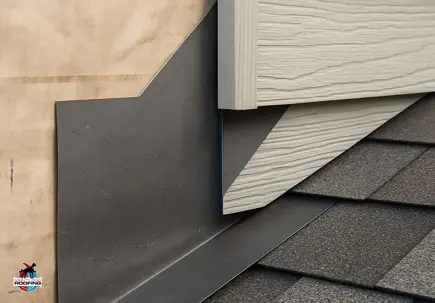
Most fall roof inspections follow the same routine: check the shingles, look at the gutters, and look for obvious signs of damage such as missing or damaged materials and sagging areas. What often gets overlooked is the point where a roof plane meets a vertical wall — above a garage, along a dormer, or where a porch roof connects to the main house. These junctions rely on properly installed flashing to keep water away from the wall. When that flashing is missing, corroded, or installed incorrectly, moisture can reach the siding and wall cavity long before there's an obvious roof leak.
Fall is a good time to pay attention to these transitions. More frequent rain puts additional stress on vulnerable areas, while freezing temperatures can make existing gaps and weak points worse. A small flashing problem that seems insignificant now can become a much more expensive repair once moisture has had time to reach the sheathing or framing.
For homeowners who notice recurring staining or other signs of moisture around a roof-to-wall junction, roof repair services can address flashing problems before they develop into more extensive water damage.
Why the Roof-to-Siding Junction Fails Quietly
What Step Flashing and Kick-Out Flashing Actually Do
Step flashing consists of small, overlapping pieces of metal installed along the edge of a sloped roof where it meets a wall. Each piece helps direct water away from the wall instead of allowing it to enter the seam.
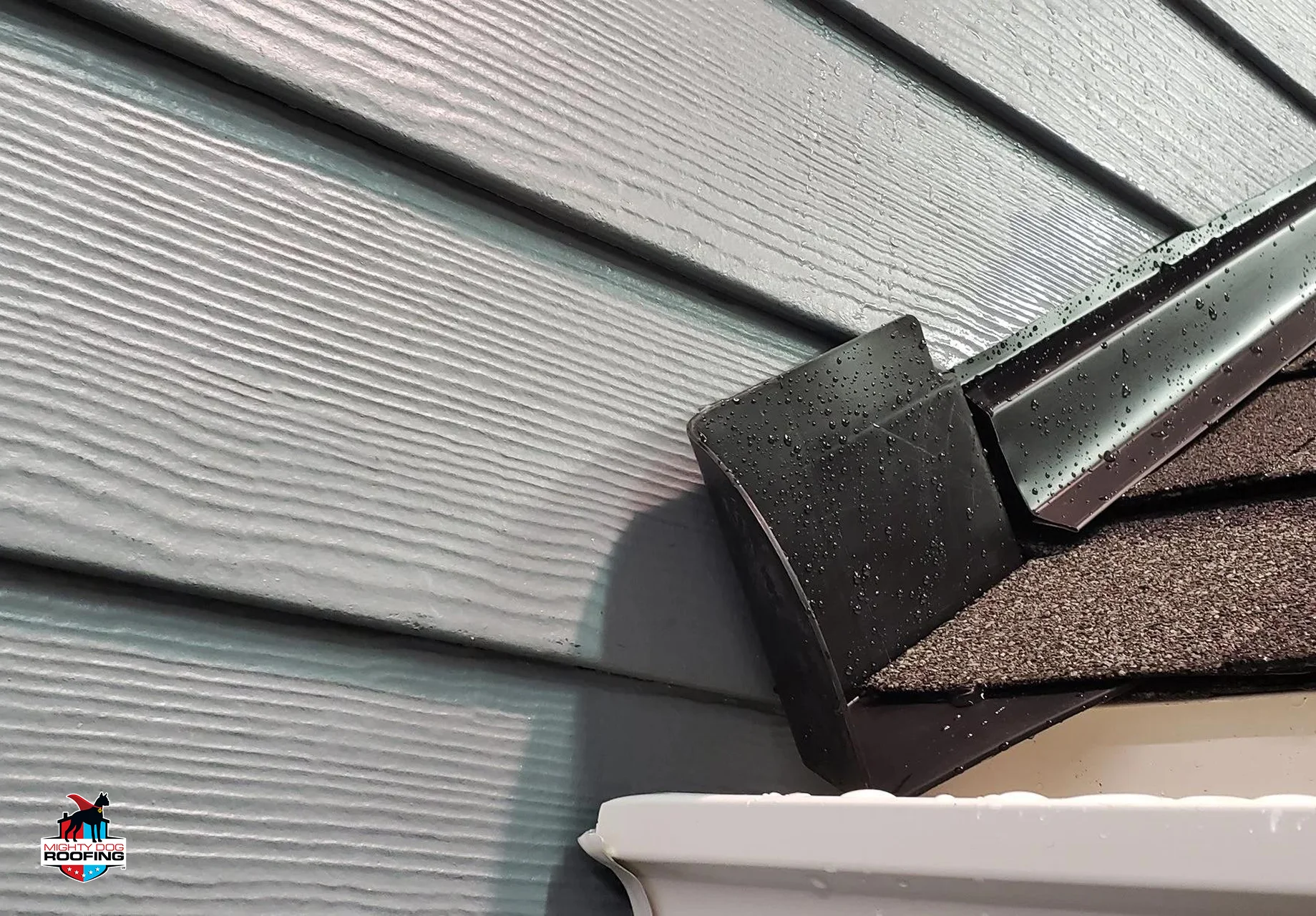
Kick-out flashing is installed at the bottom of that roof-to-wall run, where the roof edge meets the gutter and the wall. Its job is to direct water away from the wall and into the gutter instead of allowing it to run behind the siding. Although the component itself is relatively small, it plays an important role in keeping runoff away from one of the home's most vulnerable exterior transitions.
Why This Spot Gets Missed on a Typical Fall Inspection
A typical roof inspection naturally focuses on the larger, more visible parts of the system. Shingle wear, missing granules, damaged gutters, and obvious roof damage are easier to identify from the ground or across the main roof surface.
Roof-to-wall junctions require a closer look. They may be partly hidden by siding, tucked behind a downspout, or located on an addition that receives less attention than the main roof. When flashing problems go unnoticed, water may enter gradually and show up somewhere else — as a stain on the siding, discoloration inside the house, or a soft area in the wall.
Common Roof-to-Siding Flashing Problems
Not every stain around a roof-wall junction means the entire flashing system needs to be replaced. The first step is identifying what's actually causing the water intrusion.
Flashing Issue | Fall Warning Sign | Risk If Ignored | Recommended Fix |
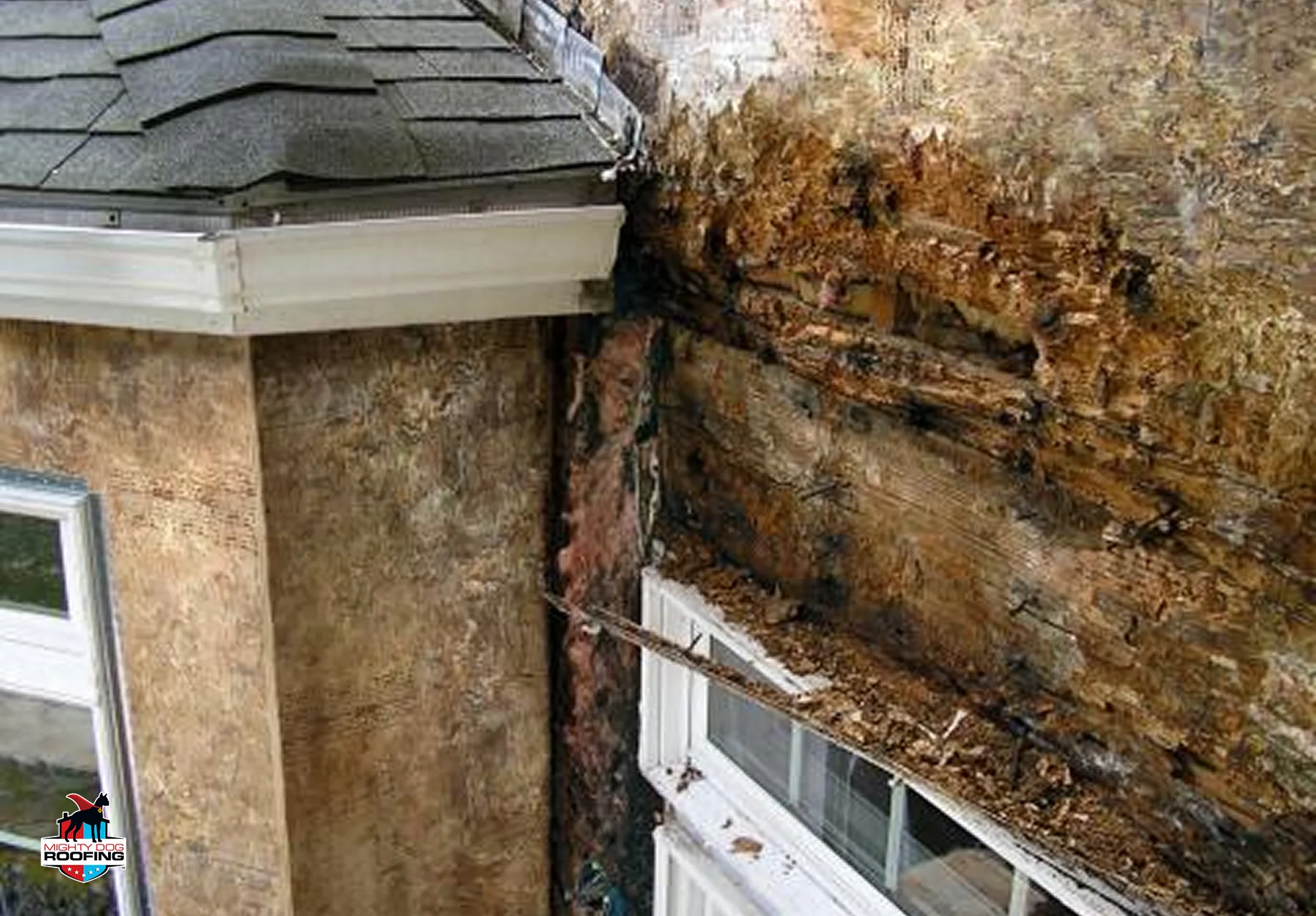
Missing kick-out flashing | Water staining on siding directly below where a roof section meets a wall, such as above a garage, porch roof, or dormer | Chronic wall leaks, rotted sheathing, and moisture damage inside the wall cavity | Install properly sized kick-out flashing, which may require opening a section of siding |
Corroded or rusted step flashing | Rust streaks or discoloration on siding along a roof-to-wall junction | Water can enter through weakened flashing and gradually damage the wall behind it | Replace damaged step flashing as part of the necessary roof repair |
Caulk used in place of proper flashing | A visible bead of sealant is being used as the primary barrier where the roof meets the wall | Sealant can deteriorate and leave the joint vulnerable to recurring leaks | Remove the inadequate patch and install the appropriate flashing system |
Flashing buried under a later siding installation | Siding appears to meet the roofline without proper flashing integration | Water may be directed behind the siding instead of away from the wall | Remove or open the affected siding and correct the flashing installation beneath it |
Gaps at chimney or dormer sidewalls | Visible separation or gaps where flashing meets a vertical wall | Leaks may become concentrated around the same wall section during heavy rain | Repair or replace the flashing along the affected wall |
Why This Repair Often Involves Both Roofing and Siding
Fixing a missing or failed kick-out flashing component may require removing a short section of siding to reach the roof edge. Once the flashing is corrected, the siding needs to be properly reinstalled around the repaired area.
That's why this type of problem can involve both roofing and siding work. The flashing has to be integrated correctly with the roof system and the siding rather than treated as a surface-level patch. If the siding has to be opened or replaced during the repair, siding installation and replacement may also be needed.
Signs Your Home Needs a Roof-to-Siding Inspection This Fall
Call for roof repair or flashing work if:
- Water stains appear on siding directly beneath a roof-wall intersection, garage tie-in, or dormer.
- Discoloration or bubbling paint appears on an interior wall near where a roof plane meets a vertical wall.
- A visible bead of caulk is being used as the only barrier at a roof-to-wall transition.
- Siding near a roof edge feels soft or spongy or shows dark staining along its bottom edge.
You may have less reason to be concerned if:
- There is no staining or discoloration on siding below roof-to-wall intersections.
- Flashing at these junctions is intact, properly integrated, and free of visible rust or gaps.
- A recent inspection specifically included step and kick-out flashing rather than focusing only on the shingles.
How to Get This Checked Before Winter
What to Confirm Before Scheduling
Before booking a fall roof inspection, ask whether the inspection includes the roof-to-wall junctions around garages, dormers, porch roofs, and additions — not just the main roof surface and gutters.
It's also worth checking how water drains away from these areas. Kick-out flashing is designed to direct runoff toward the gutter, so problems with the drainage system can make an otherwise sound roof-to-wall transition less effective. If needed, gutter repair and installation can address drainage issues that contribute to water collecting along the roof edge.
Getting Ahead of the Season
Fall is a practical time to address flashing problems because there is still an opportunity to correct vulnerable areas before winter weather arrives. A repair that only requires replacing a few flashing components is far easier to deal with than one that has progressed to damaged siding, sheathing, or interior walls.
Not every roof-to-wall junction needs repair. Some were installed correctly and simply need to be checked. But if the same stain keeps appearing on the siding after heavy rain, or you've noticed a gap, rust, or questionable patch where the roof meets a wall, it's worth having the area inspected before the damage spreads.