

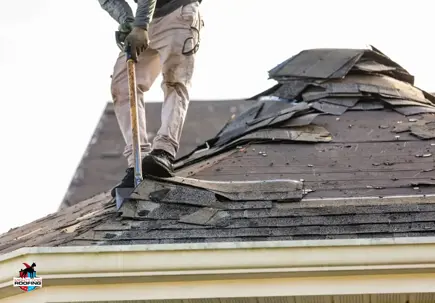
Roof replacement day tends to arrive faster than homeowners expect. The materials show up on a flatbed the afternoon before. The crew arrives at 7 AM. Within the first hour, your old roof is coming off in sections — and the house shakes more than most people are prepared for.
None of that is a problem when the home is ready. But an unprepared property creates real risks: vehicles blocked in the driveway, debris landing on patio furniture, pictures falling off walls two floors down, pets bolting through a door the crew left open. At Mighty Dog Roofing of Greater Chadds Ford, we walk every homeowner through preparation before the job starts — because a ready property means a faster, cleaner install. If you haven't connected with a roofing contractor near you yet, that's the first step. Here's exactly what to do.
What Actually Happens on Roof Replacement Day
The Timeline From Arrival to Cleanup
Understanding the sequence helps you prepare for each phase rather than reacting to surprises.
Most residential roof replacements in Chester County follow this general schedule:
- 7:00–8:00 AM — Crew arrives, trailer positioned, materials staged
- 8:00–10:00 AM — Tear-off begins; old shingles and underlayment removed in sections
- 10:00 AM–12:00 PM — Decking inspection; any damaged boards replaced before new material goes down
- 12:00–4:00 PM — Underlayment, ice and water shield, and new shingles installed
- 4:00–5:30 PM — Flashing, ridge cap, final details, and cleanup
A typical single-story home in good condition completes in one day. Steeper pitches, complex rooflines with multiple valleys and dormers, or significant decking damage found during inspection can push the job into a second day. A reputable contractor communicates any extension before the crew packs up for the night. At Mighty Dog Roofing of Greater Chadds Ford, homeowners receive a call or text update by 3 PM if a second day looks likely — not the next morning.
Why Preparation Matters More Than Homeowners Expect
Tear-off creates vibration that travels through the entire structure. On the top floor, that vibration is strong enough to knock framed pictures off walls and topple items on open shelving. It also generates a significant volume of debris — old shingles, nails, underlayment, and granules — that lands fast and spreads further than most people anticipate even with tarps and trailers in place.
An unprepared property doesn't just create inconvenience. It slows the crew down, creates liability questions when something gets damaged, and can turn a clean one-day job into a more complicated situation. None of that is necessary.
Outside the Home — What to Move and Clear
Vehicles and Equipment
The dump trailer needs full driveway access, and material staging often extends onto the apron. Move every vehicle out of the driveway the night before — not just the ones parked directly in front of the garage. If street parking is limited in your neighborhood, give yourself extra time to sort that out before the crew arrives.
Beyond vehicles, clear the driveway and immediate perimeter of anything that doesn't need to be there:
- Lawn equipment, bicycles, and anything stored under the roofline or in an open garage bay
- Trash cans, recycling bins, and any portable storage units near the home
- Sports equipment, garden tools, or anything leaning against the exterior walls
The crew will be moving quickly around the full perimeter of the house throughout the day. A clear path isn't just about protecting your property — it's a safety issue.
Landscaping and Outdoor Furniture
Move patio furniture, grills, planters, and any decorative items away from the home's perimeter — ideally at least 10 feet out from the foundation. Shingle debris and granules travel further than expected, and some of it travels fast.
Garden beds positioned directly below the roofline are the highest-risk zone. If you have established plantings close to the foundation, cover them with tarps or old bedsheets the morning before work starts. Shingle granules embedded in soil or mulch are difficult to remove completely, and the alkalinity of roofing materials can damage certain plants. The crew will lay protective tarps as well, but supplementing with your own coverage on beds you care about is worth the ten minutes it takes.
Satellite Dishes and Rooftop Attachments
If your home has a satellite dish, rooftop antenna, attic fan, or any other equipment mounted on or penetrating the roof surface, notify your contractor before the job starts — not the morning of. These items need to be accounted for in the scope of work.
Satellite dishes are typically removed and reinstalled as part of the roofing process, but the dish provider may need to recalibrate alignment afterward. HVAC equipment with rooftop penetrations, solar edge systems, and any electrical conduit running through the roof surface all require coordination. Raising these issues at the estimate stage rather than on installation day keeps the job on schedule.
Inside the Home — Less Obvious but Just as Important
.png.webp)
Walls, Shelves, and Hanging Items
The vibration from tear-off is significant on the top floor and noticeable throughout the house. Walk through your upper-floor rooms the evening before and take down anything wall-mounted that could shift or fall:
- Framed artwork, mirrors, and canvas prints
- Floating shelves with items displayed on them
- Any wall décor secured with adhesive hooks rather than hardware
This is a five-minute task that prevents a frustrating situation mid-job. The crew can't slow down tear-off to accommodate a picture that falls — and the replacement process for damaged personal items is never as clean as prevention.
The Attic
Clear a path to your attic access hatch before installation day. If decking damage is found during tear-off — which is not uncommon in Chester County homes with older roof assemblies — the crew may need attic access to assess the extent before proceeding.
Remove or relocate anything fragile stored directly on the attic floor, especially near the eave areas where decking issues most commonly occur. Items on open shelving should be boxed or moved to a stable surface. The vibration from tear-off can shift lightweight items even when they're not in the direct work zone.
Protecting Interior Dust and Debris
Roof tear-off generates fine debris and dust that enters the attic through decking gaps and seams during the tear-off phase, and can then travel into living spaces through attic vents. In older homes with less sealed attic floor assemblies, this is more pronounced.
A few simple steps reduce the impact:
- Cover HVAC return vents on the top floor with a layer of furnace filter material or tape a piece of cheesecloth over the grille — this traps debris before it enters the duct system
- If your home has a whole-house fan with attic access, turn it off for the duration of the job
- Consider covering upholstered furniture in top-floor rooms if your attic floor is partially open
This isn't about a messy crew — it's about the physics of moving air and fine debris through a roof assembly that's temporarily open.
Kids, Pets, and Noise
Planning for the Disruption
There's no way around this: roof replacement is loud. Sustained nail gun work, tear-off, and crew communication across the roofline for 8–10 hours generates noise that makes working from home difficult and normal household routines essentially impossible on the upper floors.
Pets should be relocated for the day without exception. The reasons are practical:
- Anxiety from sustained noise and unusual activity around the perimeter
- Door activity — crew members moving in and out creates opportunities for pets to slip out
- Roofing debris in the yard is a hazard for dogs and outdoor cats
If you have young children at home, plan for the noise level specifically. Nap schedules are not compatible with tear-off day. Consider whether the disruption warrants making other arrangements for the day — for the children if not for yourself.
Staying vs. Leaving
You do not need to be home during roof replacement. The crew has everything they need to complete the job. What you do need is to be reachable by phone throughout the day.
Mid-job decisions that require homeowner input are not uncommon. Significant decking damage that changes the scope, a question about an existing penetration or flashing detail, or an unexpected finding under the old shingles — these situations need a quick answer to keep the job moving. A homeowner who doesn't respond until late afternoon adds hours to the timeline.
The Day Before — a Quick Checklist
What to Confirm With Your Contractor
Before the crew arrives, confirm the following directly with your project manager or contractor:
Item to Confirm | Why It Matters |
Start time and crew size | Plan your morning and parking logistics |
Dumpster / trailer placement | Clear the exact location the night before |
Material delivery timing | Pallets typically arrive the afternoon before |
Weather contingency plan | What triggers a reschedule and how you'll be notified |
Decking repair billing | Know the per-sheet rate before the job starts |
Rooftop attachments | Confirm satellite, HVAC, and any penetrations are accounted for |
Getting these details in writing before installation day removes ambiguity if something unexpected comes up.
What to Do on Your Own
The evening before the job, walk through this list:
- Move all vehicles out of the driveway and confirm the trailer location is clear
- Cover landscaping beds below the roofline
- Move patio furniture, grills, and outdoor equipment away from the perimeter
- Take down wall art and secure shelving items on upper floors
- Clear the attic access path and move fragile items off open attic shelving
- Cover upper-floor HVAC returns if your attic floor is not fully sealed
- Arrange for pets to be out of the house for the day
- Confirm you'll be reachable by phone throughout the job
After the Job — What to Do Before the Crew Leaves
.png.webp)
Final Walkthrough With the Crew
Before the trailer pulls out, walk the full perimeter with the project lead. This is your opportunity to catch anything that needs attention before the crew demobilizes. Specifically:
- Check the lawn, landscaping, and driveway for nails and debris — a magnetic roller should be part of standard cleanup, but a second pass with the crew present is worthwhile
- Inspect gutters for shingle debris that settled during installation
- Confirm all flashing points are visible and look complete — chimney, skylights, pipe boots, and wall transitions
- Ask for the decking repair documentation if any boards were replaced — you'll want this for the warranty file
What to Watch for in the First 30 Days
A new roof should be silent and dry from day one. In the first month, a few things are worth monitoring:
- Any water staining appearing on ceilings after the first significant rain — if it's new, it needs immediate attention
- Popping or settling sounds from the attic in temperature swings — normal as new materials adjust, but worth noting if they persist
- Granule accumulation in gutters after the first few rains — a small amount is normal initially as surface granules settle
The certified roofing professionals at Mighty Dog Roofing of Greater Chadds Ford provide dated written inspection reports that serve as both maintenance documentation and a record of what was found on installation day.
A Smooth Job Starts the Night Before
Roof replacement is a significant investment, and the installation quality is what protects that investment for the next 20–30 years. The crew's job is to install the roof correctly. Your job — the night before — is to give them a clear property to work on and stay reachable throughout the day.
That combination is what turns a major home project into a clean, one-day job that finishes the way it started: on schedule, on budget, and with no surprises. If you have questions before your replacement day, reach out to Mighty Dog Roofing of Greater Chadds Ford and get them answered before the materials land on your driveway. You can schedule a free inspection or a pre-job walkthrough directly through the contact page.