
Siding Installation Mistakes to Avoid: A Homeowner’s Guide
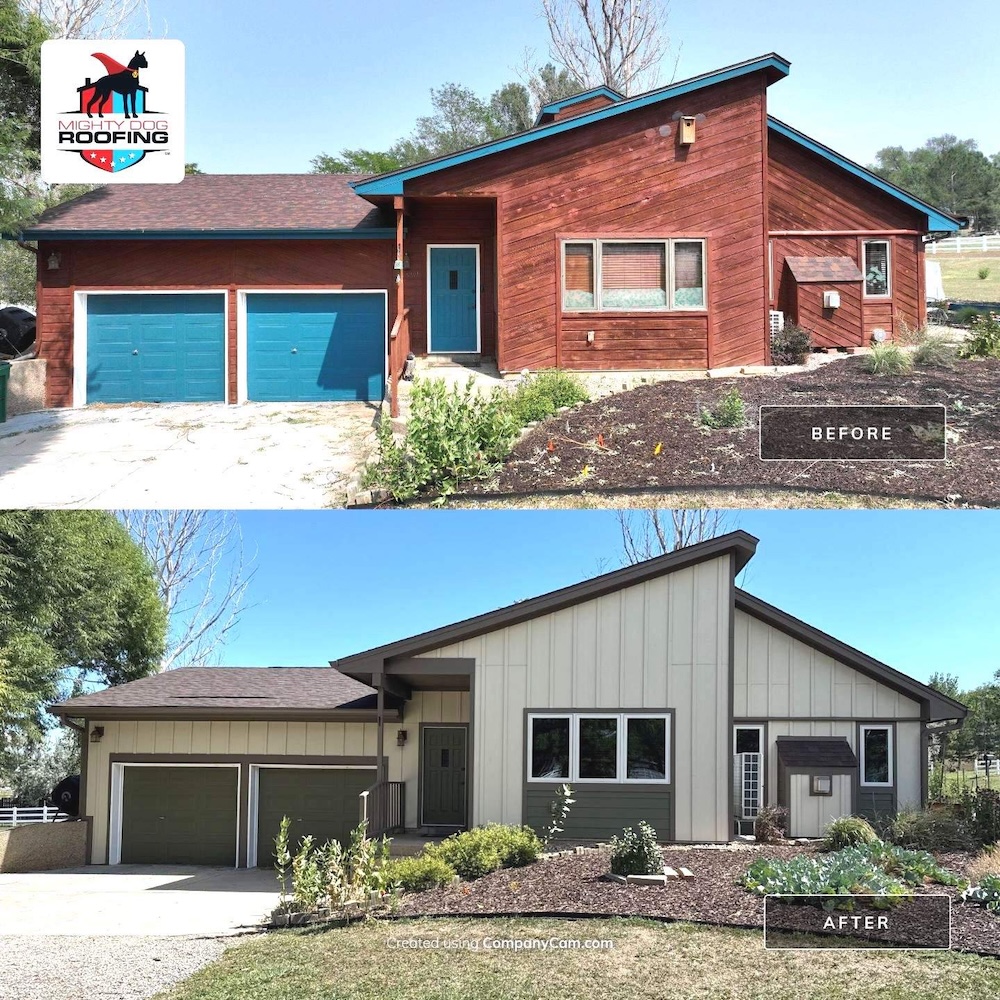
When it comes to protecting your home and boosting curb appeal, few improvements make as big of an impact as new siding. Not only does it improve aesthetics, but it also increases energy efficiency and shields your home from Colorado's unpredictable weather. However, even the most premium siding products can fail if they're not installed correctly.
At Mighty Dog Roofing of Northern Colorado, we've helped countless homeowners repair or replace siding due to avoidable installation mistakes. To help you make informed decisions and avoid unnecessary costs, we’ve put together this comprehensive guide on the most common siding installation mistakes—and how to avoid them.
1. Skipping the Weather-Resistant Barrier (WRB)
One of the most foundational components of a siding system is the weather-resistant barrier. This layer, often made from house wrap materials, acts as a moisture defense system that prevents water from penetrating your home’s exterior walls.
Why It Matters: Without a properly installed WRB, moisture can seep into your walls, leading to mold growth, structural damage, and insulation issues. Colorado's snow, rain, and freeze-thaw cycles make this even more critical.
How to Avoid It: Always confirm that your siding contractor includes a WRB as part of the installation process. Ask them to explain how it will be installed and sealed around windows, doors, and other openings.
2. Incorrect Nailing Techniques
Nailing might sound straightforward, but it’s one of the top areas where inexperienced installers go wrong. Siding needs to be nailed properly to allow for expansion and contraction due to temperature changes.
Common Errors Include:
Driving nails too tightly, causing the siding to buckle.
Using the wrong type of nails (such as nails that rust or corrode).
Misplacing nails outside of the manufacturer-recommended zones.
Solution: Work with a contractor who is trained in siding installation best practices. Nails should be centered in the nailing slots, driven straight, and left slightly loose to allow movement.
3. Failing to Allow for Expansion and Contraction
Siding materials, especially vinyl and engineered wood, expand and contract with temperature fluctuations. In Northern Colorado, where the seasons can bring extreme highs and lows, this is especially important.
The Risk: When installers don’t leave the proper gap between panels or fail to overlap them correctly, it can lead to warping, cracking, or gaps that allow water intrusion.
Pro Tip: Each siding manufacturer provides clear spacing guidelines. Make sure your contractor follows these to the letter.
Siding Installation Mistakes to Avoid
4. Poorly Executed J-Channels and Trim Work
J-channels and trim pieces are more than just cosmetic—they help direct water away from your home and create a clean, sealed edge around windows, doors, and corners.
Common Mistakes:
Improper fitting or sealing of J-channels.
Gaps or overlaps that trap water rather than redirect it.
Fix: Use high-quality trim materials and ensure they are properly fitted and sealed. This not only prevents water damage but also creates a polished, professional look.
5. Ignoring Proper Flashing Around Windows and Doors
Flashing is your home’s first line of defense against water intrusion at vulnerable points. Unfortunately, it's often overlooked or installed incorrectly.
Why It’s Important: Poor flashing can allow water to get behind the siding and into the wall cavity, resulting in hidden moisture damage that takes years to surface.
Best Practices:
Always install flashing under the WRB at windows and doors.
Use self-adhesive flashing tape to ensure a tight seal.
Confirm that your contractor follows manufacturer guidelines for layering.
6. Uneven or Crooked Siding Lines
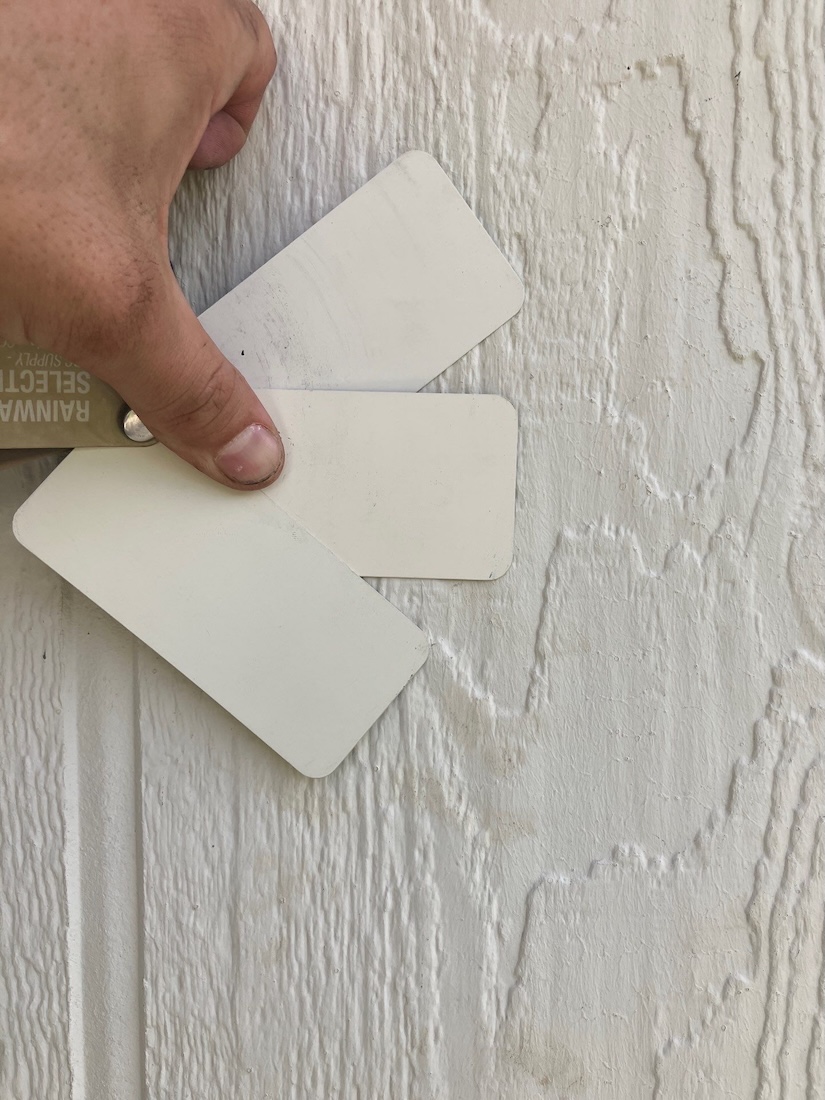
It may seem like a small detail, but straight, even siding lines make a big difference in your home’s overall appearance. Misaligned panels indicate poor workmanship and can lead to performance issues over time.
Cause: Often due to lack of proper preparation, such as failing to level the starter strip or rushing through the installation process.
How to Prevent It: Your siding crew should use levels and chalk lines to ensure each row is perfectly aligned. Attention to detail at the beginning saves major headaches later.
7. Improper Caulking or Sealing
Siding must be sealed at critical points to prevent air and water infiltration. But using the wrong type of caulk, or applying it carelessly, can create more problems than it solves.
Issues That Arise:
Cracking and peeling caulk due to weather exposure.
Trapped moisture behind the caulk leading to rot.
Tips: Use high-grade, paintable, exterior caulk designed for siding materials. Make sure joints are clean and dry before applying sealant.
8. Choosing the Wrong Type of Siding for Your Climate
Not all siding products perform equally well in every environment. What works in dry climates might fail in high-moisture or freeze-prone areas.
Northern Colorado Factors:
Temperature swings from below zero to over 90°F.
High winds and UV exposure.
Snow and hail events.
Smart Move: Consult with local siding experts (like Mighty Dog Roofing!) to choose materials that are proven to perform in this region.
9. Neglecting to Plan for Maintenance
Even the most durable siding needs occasional maintenance. Some materials require more upkeep than others, and failing to plan for this can reduce your siding’s lifespan.
Common Oversights:
Not cleaning mold, mildew, or debris.
Letting damaged panels go unrepaired.
Forgetting to repaint or reseal when needed.
What to Do: Ask your contractor about long-term care. Vinyl may need occasional cleaning, while wood or fiber cement may require sealing or painting every few years.
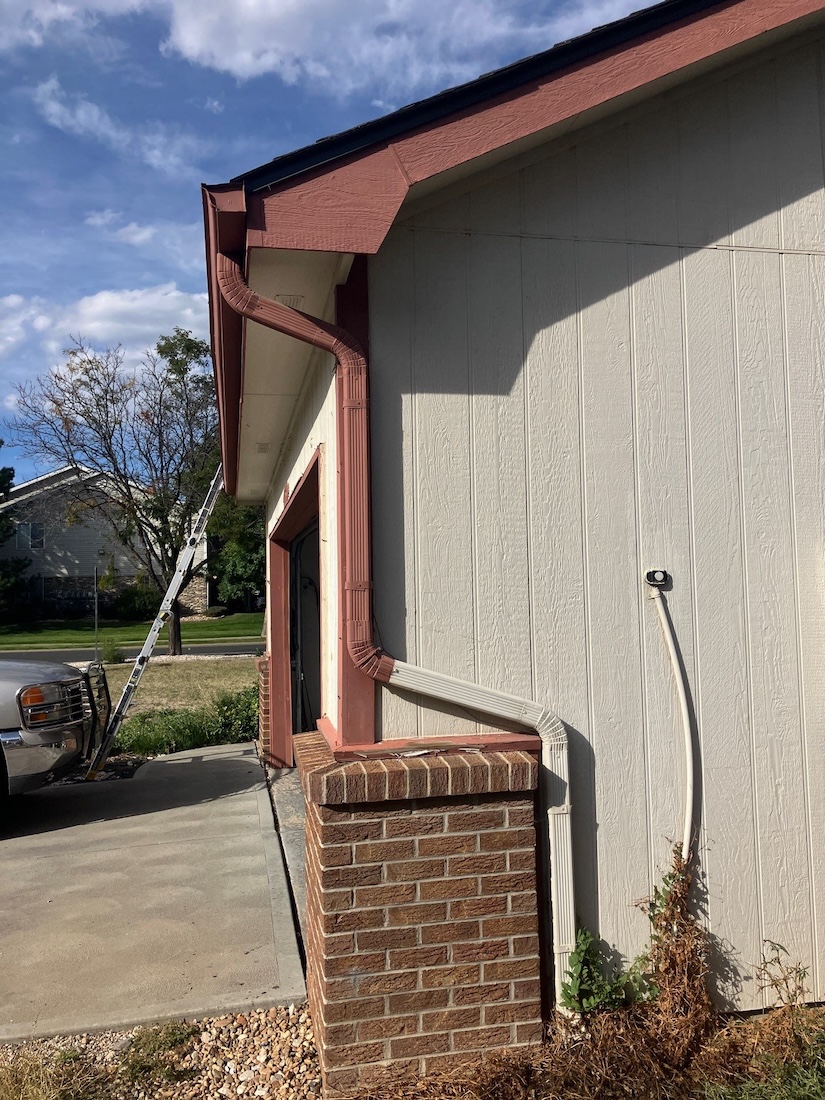
Siding Installation Mistakes to Avoid
10. Hiring the Wrong Contractor
This is arguably the most important factor of all. Even the best materials will underperform if they’re installed by someone without the necessary experience or attention to detail.
Red Flags to Watch For:
Lack of proper licensing or insurance.
Vague or overly cheap estimates.
No references or customer reviews.
Why Choose Mighty Dog Roofing?
With over 20 years of experience and a commitment to ethical, high-quality service, Mighty Dog Roofing of Northern Colorado is your go-to expert for siding installation done right. Our team is trained, certified, and backed by industry leaders like Owens Corning.
We use cutting-edge technology like drone inspections to assess your home thoroughly and provide clear, transparent estimates. Plus, we back our work with strong warranties, because your peace of mind matters.
Final Thoughts: Protect Your Home with Smart Siding Decisions
Siding installation is a major investment that can significantly improve your home’s beauty, comfort, and protection—but only if it’s done right. Avoiding these common mistakes will help you get the most from your siding for years to come.
If you’re considering new siding or have questions about your current system, we’re here to help. Schedule your free inspection to get started today.