
Comprehensive Roof Flashing Guide and FAQ for Paramus, NJ & Northeast New Jersey
Roof flashing is one of the most important components of a roofing system, yet many homeowners are unsure what it does or why it matters. Whether you’re planning a complete roof replacement, choosing between asphalt shingles and metal roofs or simply researching roof repair as part of a home improvement project, understanding flashing should be on your checklist.
Flashing is typically a thin strip of metal installed at intersections or penetrations on a sloped roof to direct water away from vulnerable areas. When properly installed, it creates a watertight barrier that prevents leaks and extends the life of your roof. In Paramus and other Northeast New Jersey towns, seasonal extremes—humid summers, heavy rainstorms, snow loads, freeze‑thaw cycles and high winds—put extra stress on roofing materials and the roof deck.
Understanding how flashing works and how to maintain it will help you protect your home from water damage and roof deck rot.
What is roof flashing?
Flashing is a thin material (usually metal flashing) installed at joints, valleys and roof penetrations to channel water away and prevent leaks. It acts as a seal at vulnerable points where the roof meets a vertical surface—such as chimneys, skylights or walls—to keep proper water drainage flowing. Without flashing, water can infiltrate these intersections, saturate the roof deck and cause structural damage.
Why is flashing important for homes in Paramus and Northeast NJ?
Paramus experiences hot, humid summers and cold, snowy winters. UV exposure, high humidity and freeze‑thaw cycles can cause roofing materials such as asphalt shingles and wood shingles to crack or warp. Heavy snow loads and ice dams can force water under shingles, while frequent storms bring high winds and driving rain. Proper flashing helps direct water off the roof and away from joints on a sloped roof, reducing the risk of leaks and moisture damage in these harsh conditions.
What are the main types of roof flashing?
Common flashing types include:
- Step flashing: Small L‑shaped pieces installed where a roof meets a vertical wall or chimney; they overlap like shingles to shed water.
- Continuous or apron flashing: A long strip used at dormers or walls to carry water down to the shingles.
- Drip edge flashing: Installed along eaves and rakes to channel water into gutters and protect fascia boards. This type of flashing works with an ice and water shield to manage runoff.
- Valley flashing: Placed in the valleys where two roof planes meet to guide water off the roof.
- Vent pipe flashing: Seals around plumbing vents or exhaust pipes.
- Counter flashing: Installed over step flashing, typically on chimneys, to provide an additional layer of protection.
Which flashing materials work best in Northeast New Jersey?
Flashing is typically made from copper, aluminum or galvanized steel. Copper offers exceptional durability and corrosion resistance but is more expensive and is often used on slate or tile roofs that can last 50 years or more. Aluminum is lightweight, affordable and corrosion‑resistant but can dent more easily. Galvanized steel (coated with zinc) provides strength and is cost‑effective for harsh weather. In coastal or humid areas, copper or aluminum are often preferred to resist corrosion. When selecting materials, consider the type of roofing and ensure compatibility with asphalt shingles, metal roofing or slate roof products.
How does the local climate affect flashing durability?
Heat and UV exposure can cause asphalt shingles to curl, allowing water to reach flashing joints and accelerate corrosion. Snow and ice place heavy loads on the roof and create ice dams that push water beneath shingles and flashing. Freeze‑thaw cycles cause expansion and contraction that may crack seals or warp metal. Regular inspections after storms and seasonal changes help catch climate‑related flashing issues early and ensure the ice and water barrier remains intact.
When should roof flashing be replaced?
Flashing should be replaced during a complete roof replacement or whenever it shows signs of failure. Homeowners should look for rust, corrosion or cracks; loose or bent flashing; and water stains on ceilings near chimneys or vents. Replace flashing if it is old, damaged by severe weather, or fails to provide a watertight seal. Many contractors recommend replacing flashing whenever new shingles are installed to ensure all components are up to date, especially if your roofing system is more than 30 years old or you plan to replace your roof with new asphalt shingles or metal roofing.
What are common signs of flashing damage?
Warning signs include leaks during rainstorms, damp spots or peeling paint on ceilings, rust or corrosion on metal flashing, bent or loose flashing pieces, and visible cracks or gaps in sealant. In Paramus, water stains from ice dams or heavy rain can indicate damaged or missing flashing and may lead to water damage inside your home.
Can homeowners repair flashing themselves?
Minor repairs such as resealing joints with roofing cement might be manageable for experienced DIYers. However, replacing flashing requires knowledge of roofing systems, proper use of roofing nails or screws, and safety precautions. Improper installation can lead to leaks and may void a limited warranty on your roof. Given the risks, it’s best to hire a licensed roofing contractor for flashing replacement or extensive repairs—especially on complex roofs or around chimneys.
How much does flashing repair or replacement cost in Paramus?
Costs vary based on material, labor and installation complexity. For general guidance, materials can range from about $3–$10 per linear foot for galvanized steel, $5–$15 for aluminum and $10–$30 for copper. Labor typically costs $50–$100 per hour, and total flashing replacement can range from $300 to $1,500 depending on the scope of work. Prices may be higher in Bergen County due to regional labor rates. When budgeting for a home improvement or roofing project, remember that high‑quality flashing will pay off in the long run by preventing leaks and water damage.
Do I need a permit to replace roof flashing in New Jersey?
New Jersey’s Uniform Construction Code generally does not require a permit if you are replacing 25 percent or less of the roofing materials. However, structural work that includes replacing rafters or more than one quarter of the roof may require a permit. Always check with the Paramus Building Department to confirm local requirements and ensure materials meet NJ DCA or ICC standards. Building codes vary across the United States and North America, so homeowners elsewhere should contact their local authority before starting work.
What is chimney flashing?
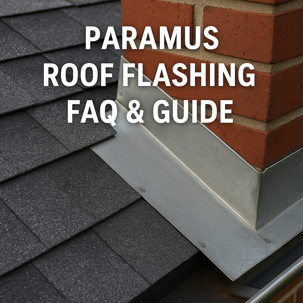
Chimney flashing seals the junction between a roof and a chimney. It typically includes step flashing embedded in the shingles and counter flashing that overlaps the step flashing and is embedded into the chimney mortar. Proper chimney flashing prevents water from running down the chimney and into the house, ensuring proper water management. Rusted or missing chimney flashing is a common source of leaks during storms.
What is valley flashing and why is it important?
Valley flashing is installed in roof valleys—the areas where two roof planes meet—to direct water off the roof and into the gutters. Valleys collect large volumes of water during rain and snow melt; valley flashing prevents water from seeping between shingles and into the roof deck. In areas like Northeast NJ that experience heavy precipitation and snow, valley flashing is critical on a sloped roof to prevent leaks.
What is step flashing and where is it used?
Step flashing consists of small overlapping pieces of metal installed where a roof meets a vertical surface such as a wall, dormer or chimney. Each piece is layered with shingles—typically asphalt shingles—creating a stepped pattern that channels water down and away from the intersection. Step flashing is crucial around chimneys and dormers because it allows water to flow over the shingles rather than into the joint, and it is secured using roofing nails to ensure a tight fit.
How often should flashing be inspected?
Experts recommend inspecting roof flashing at least once a year and after severe weather events. In Paramus, heavy rains, snow and high winds can damage flashing, so inspections after storms are essential. During inspections, look for rust, loose sections, gaps in sealant and debris buildup. In the United States and across North America, annual inspections by a roofing contractor are considered best practice.
Can damaged flashing cause mold or structural damage?
Yes. Water infiltration through damaged flashing can lead to mold growth, rotting wood and structural damage. Moisture seeping into ceilings and walls can promote mold, and long‑term leaks may compromise framing, insulation, the roof deck and drywall. Address flashing issues promptly to avoid costly repairs.
Are there energy efficiency benefits to proper flashing?
Properly installed flashing helps maintain a watertight roof, preventing moisture from compromising insulation. Dry insulation retains its thermal properties, which helps control indoor temperatures and reduces energy costs. Combining adequate flashing with insulation and ventilation can improve energy efficiency in Paramus homes by keeping heat in during the winter and reducing cooling loads during the summer.
How does flashing integrate with gutters and drip edges?
Drip edge flashing is installed along the roof’s eaves and rakes to direct water into the gutters. Gutters then carry water away from the foundation. In Paramus, quality roofing quotes often include drip edge installation to protect fascia and soffits and ensure proper water flow. If drip edges or gutters are missing or damaged, water can splash behind the fascia and cause rot, undermining the entire roofing system.
What maintenance steps can homeowners take to prolong flashing life?
Keep gutters and downspouts clear of debris so water doesn’t back up onto the flashing. Trim overhanging branches to prevent debris accumulation and physical damage. Check joints and seams periodically and reseal with roofing cement if necessary. Remove leaves, twigs and other debris around flashing to prevent moisture retention and corrosion. Schedule regular professional inspections to catch problems early and ensure that any roofing nails or fasteners remain secure.
How does Paramus’s freeze‑thaw cycle affect flashing?
Rapid temperature changes cause roofing materials to expand and contract, which can crack or loosen flashing seals. Freeze‑thaw cycles also contribute to ice dams that force melting snow under shingles and flashing. Proper insulation and ventilation help reduce ice dam formation, while regular inspections ensure flashing remains secure. Applying an ice and water shield along eaves and valleys can add another layer of protection.
What are the lifespans of different flashing materials?
Copper flashing can last up to 50–100 years with minimal maintenance due to its corrosion resistance. Aluminum flashing has a moderate lifespan and may need replacement sooner, especially if dented or damaged—often between 30 and 50 years. Galvanized steel flashing provides good durability, but its zinc coating can wear off over time, leading to rust in coastal or humid environments. The longevity of flashing often matches the expected life of the surrounding roofing materials.
Are there different flashing considerations for asphalt shingles vs. metal roofs?
Flashing works similarly across roofing materials, but metal roofs often require specialized trim pieces and screws rather than roofing nails. Metal roofs shed snow and ice more efficiently, which reduces stress on flashing, but thermal expansion can be greater. Wood shingles and slate roofs also have unique thicknesses and fastener requirements that affect how flashing is integrated. Consult a contractor familiar with the type of roofing on your home for proper flashing installation.
What should homeowners ask contractors about flashing?
When reviewing roof repair or replacement quotes, ask whether flashing will be replaced, the type of material used (galvanized steel, copper or aluminum) and how it will be installed. Ensure that drip edge flashing is included along eaves and rakes. Confirm that flashing meets NJ code requirements and that the contractor will obtain any necessary permits. Also ask about any limited warranty covering flashing and verify that you’re working with a licensed roofing contractor.
Will homeowners insurance cover flashing repair or damage?
Coverage depends on your policy and the cause of the damage. Many insurance policies cover sudden and accidental damage (e.g., storms), but not normal wear and tear. If water damage results from a covered peril, insurance may help pay for repairs. Policies vary by state and insurer, so contact your agent for details and document any flashing‑related damage with photos and contractor assessments.
Are there any local flashing regulations specific to Paramus or Bergen County?
The Paramus Building Department enforces the NJ Uniform Construction Code, which requires approved roofing materials and proper labeling. Specific flashing rules are governed by the International Residential Code (IRC) and manufacturer instructions, which dictate minimum flashing sizes and installation methods. Ensure your contractor follows these codes and uses materials approved by the NJ Department of Community Affairs. Outside of New Jersey, consult your local building department since requirements vary across the United States.
How often should homeowners replace flashing during routine roof maintenance?
Flashing is typically replaced during a full roof replacement. For routine maintenance, replacement intervals vary depending on material: copper may last decades, while aluminum or galvanized steel may need replacement after 30 years or more. Inspect flashing annually and replace sections that show significant wear or damage.
What role does flashing play in preventing leaks around skylights and dormers?
Skylights and dormers create penetrations in the roof that require careful sealing. Flashing around these features channels water away from the joint and onto the shingles. Without proper flashing, water can seep around the frames and into the attic. Step flashing integrated with counter flashing is commonly used around skylights and dormer walls to ensure a watertight roofing system.
Why hire a local contractor for flashing work?
Local roofers understand Paramus and Northeast NJ’s climate, building codes and permit requirements. They can recommend materials suited to regional weather and ensure installations meet code. Hiring a licensed local roofing contractor also ensures proper insurance and warranty coverage, supports the local economy and provides a quick response for future maintenance. An experienced contractor will also coordinate any necessary permits with the Paramus Building Department.
What happens if flashing is not replaced during a roof replacement?
Reusing old flashing can compromise the integrity of a new roof. Existing flashing may have hidden corrosion or fatigue that leads to leaks. Most experts recommend replacing all flashing during a complete roof replacement to ensure a watertight system. Neglecting flashing replacement can void warranties and lead to premature water damage.
What is drip edge flashing and why is it included in roofing quotes?
Drip edge flashing is a metal strip installed along the roof’s edge to direct water into the gutters and protect fascia and soffits. High‑quality roofing quotes for Paramus typically include drip edge installation on eaves and rakes. Without drip edges, water can splash back under shingles and rot the fascia, causing costly damage. A properly installed drip edge and gutter system is critical for channeling water away from the exterior walls and foundation.
How does flashing interact with ridge vents and ventilation?
Flashing must tie into ridge vents and other ventilation components to maintain a continuous waterproof barrier. Ridge vents provide attic ventilation; flashing around them seals nail holes and prevents water infiltration. Proper ventilation reduces humidity and ice dam formation, which helps flashing last longer and protects the roof structure.
Are there any special considerations for flashing on older homes?
Older homes may have unique rooflines or materials (e.g., slate or tile) that require specialized flashing techniques. Historic properties might use lead or copper flashing. Upgrading flashing on older homes should be done carefully to preserve architectural character while meeting modern code requirements and ensuring the roofing system remains watertight.
Can flashing issues lead to foundation problems?
Yes. Improper flashing can allow water to run down exterior walls and accumulate near the foundation. Over time, this moisture can cause foundation cracking or basement leaks. Ensuring drip edges and gutters are properly flashed and directing water away from the house helps protect both the roof and the foundation as part of a comprehensive home improvement plan.
Flashing is an essential component of your roof that directs water away from vulnerable areas and protects your home from water damage. In Paramus and Northeast New Jersey, extreme seasonal weather and heavy precipitation make proper flashing installation and maintenance especially important. By understanding the different types of flashing, knowing what signs to look for and scheduling regular inspections, homeowners can prevent leaks, protect the roof deck and foundation, and extend the life of their roofs—whether they have asphalt shingles, metal roofs or slate. Proper flashing is a smart investment during a complete roof replacement and should be part of every roofing project.