

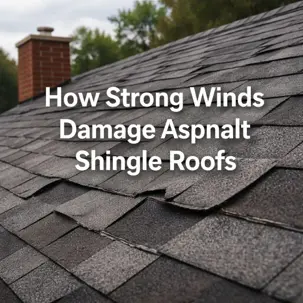
How Strong Winds Damage Asphalt Shingle Roofs in Northeast New Jersey
An FAQ Guide for Oradell, NJ Homeowners and nearby
Strong winds are one of the leading causes of roof damage for residential properties across Northeast New Jersey. In towns like Oradell, homes are frequently exposed to strong winds, sudden gusts, nor’easters, and severe thunderstorms that place stress on asphalt shingle roofs year after year.
While asphalt shingles are designed to withstand normal weather conditions, repeated exposure to high wind speeds can weaken the entire roofing system. Over time, this leads to wind-damaged shingles, roof leaks, water intrusion, and even structural damage if left unaddressed.
This FAQ-style guide explains how wind damages asphalt shingle roofs, what signs property owners should watch for, and when repairs or replacement may be necessary.
Asphalt Shingle Roof Wind Damage FAQs
Can strong winds damage asphalt shingle roofs?
Yes. Asphalt shingle roofs are particularly vulnerable to uplift forces created by strong winds. Wind can lift, loosen, crease, or completely tear off asphalt shingles, especially along roof edges, ridges, and corners.
What wind speeds can damage roof shingles?
Damage can begin at wind speeds as low as 50–60 mph, particularly on older roofs or those with installation issues. More severe storm damage is common when gusts exceed 70 mph.
Why do asphalt shingles lift instead of blowing off immediately?
Wind often breaks the adhesive seal that bonds shingles together. Once lifted, shingles may settle back into place but remain unsealed, increasing the risk of water intrusion during heavy rains.
Are architectural shingles more wind-resistant than standard shingles?
Yes. Architectural shingles are thicker, heavier, and generally more resistant to wind damage shingles compared to traditional three-tab roof shingles.
Can lifted shingles cause roof leaks?
Absolutely. Lifted or wind-damaged shingles allow rainwater to penetrate beneath the roofing materials, leading to roof leaks and long-term water damage.
Why are roof edges and ridges more vulnerable?
Edges, eaves, and ridges experience the highest wind pressure. These areas are common starting points for wind-damaged shingles and roofing system failure.
Can wind damage shingles without visible missing pieces?
Yes. Creased, cracked, or unsealed shingles may not be obvious from the ground but can still compromise the roof’s structural integrity.
How does wind-driven rain affect asphalt shingle roofs?
Strong winds force rain sideways and upward, overwhelming the roof’s water-shedding design and increasing water intrusion risk.
Can wind damage the roof deck?
Yes. Once shingles are torn away, the exposed roof deck can absorb moisture, swell, rot, and lose its ability to support the roofing system.
Can water intrusion lead to mold growth?
Yes. Persistent moisture can cause water damage and mold growth, creating serious health risks for occupants and compromising indoor air quality.
Is mold from roof leaks dangerous?
Yes. Mold exposure can lead to respiratory issues, allergies, and other long-term health risks, especially for children and elderly residents.
Can strong winds cause roof leaks days after a storm?
Yes. Water may travel through insulation and framing before appearing as ceiling stains, often days after the storm damage occurs.
Are older asphalt shingles more vulnerable to wind damage?
Absolutely. Aging shingles become brittle and lose adhesion, making them more susceptible to wind-related failure.
How does wind damage affect the overall roofing system?
Once shingles fail, the entire roofing system becomes compromised, increasing the risk of structural damage and premature roof replacement.
Can wind damage shorten the lifespan of a roof?
Yes. Repeated wind exposure accelerates wear, often leading to the roof being replaced earlier than expected.
Should property owners schedule a professional roof inspection after high winds?
Yes. A professional roof inspection can identify hidden damage before it leads to costly repairs or replacement.
What does a professional roof inspection include?
A professional roof inspection evaluates roof shingles, flashing, roof vents, roof deck condition, and signs of water intrusion or storm damage.
Can insurance claims cover wind-damaged shingles?
Often yes. Most insurance companies cover sudden storm damage but may exclude long-term wear-and-tear issues.
Should I document roof damage for insurance claims?
Yes. Photos, videos, and inspection reports help support insurance claims and protect property owners.
Can repeated wind damage mean repairs are no longer enough?
Yes. If damage is widespread or recurring, repairs or replacement may be necessary to restore structural integrity.
How do heavy rains worsen wind-related roof damage?
Heavy rains exploit weakened shingles, accelerating leaks, mold growth, and interior damage.
Can improper roofing materials increase wind damage risk?
Yes. Using low-quality roofing materials or incorrect installation methods increases failure risk during strong winds.
Does the type of roof affect wind resistance?
Yes. Roof slope, shingle type, and installation quality all influence wind resistance.
Can delayed repairs lead to structural damage?
Yes. Untreated roof leaks can weaken framing, ceilings, and walls over the long term.
How can homeowners reduce wind damage risk?
Routine inspections, timely repairs, quality roofing materials, and professional installation help protect your home.
When should I contact a roofing professional?
Any time you notice missing shingles, lifted edges, water stains, or signs of storm damage.
Final Thoughts for Oradell Property Owners
Wind damage to asphalt shingle roofs often begins subtly but escalates quickly. Addressing wind-damaged shingles early helps prevent roof leaks, mold growth, and structural damage that may require replacing your roof sooner than expected.
Scheduling a professional roof inspection after strong winds is one of the most effective ways property owners can protect their home and maintain long-term roof performance.