
In 2026, your roof is no longer just a cost - it can be an energy upgrade that lowers your monthly bills and may unlock meaningful incentives when you pair roofing with the right improvements. With Rhode Island Energy rates still a top concern from Burrillville to South Kingstown, the right roof plan can save you thousands over the next decade.
Here is the homeowner-friendly breakdown of what matters most: where the savings actually come from, what materials reduce heat gain, and why ventilation and insulation decide whether an “energy-efficient roof” performs.
1) The 2026 financial landscape: credits you can use
Homeowners in Rhode Island can take advantage of federal tax credits in 2026. In many cases, standard roofing materials (like typical asphalt shingles) are not the main credit item. The best savings often come from solar and building-envelope upgrades.
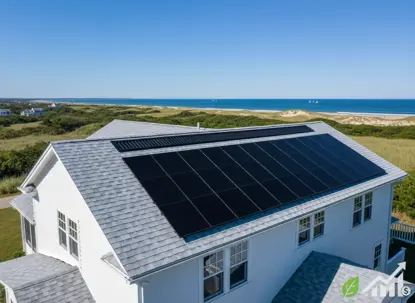
- The solar advantage (federal solar credit) If you install an integrated solar roofing system (often called solar shingles), the federal solar credit may apply to eligible solar costs (materials and installation). Credit rules and what counts as eligible can depend on the system design and your tax situation.
- The “envelope” credit (Section 25C) If you add qualifying attic insulation or ENERGY STAR-certified skylights as part of the project, you may be eligible for a separate credit with its own annual limits. This is one reason many homeowners upgrade insulation during a roof project.
- Rhode Island programs The Rhode Island Office of Energy Resources and other state or utility programs may offer additional incentives for small-scale solar or efficiency improvements. Always check current program availability before you buy.
Important: This is not tax advice. Confirm eligibility with a tax professional and keep all invoices and product documentation.
2) Materials that lower your cooling load
Even without a direct tax credit for shingles, your material choice can reduce summer heat gain.
- Cool roof shingles Some shingle colors and granule technologies reflect more solar energy. In urban areas like Pawtucket, reducing attic heat buildup can make your AC work less during hot stretches.
- Standing seam metal Metal is naturally reflective, long-lasting, and recyclable. For homeowners who want a “forever roof” and strong performance in coastal wind zones, standing seam is a popular 2026 upgrade.
3) Do not forget the system (ventilation + insulation)
A roof is only as efficient as the attic system underneath it.
In Rhode Island, we focus on: - Balanced intake (soffit vents) and exhaust (ridge vents) - Air sealing to reduce warm, moist air leaking into the attic - Insulation levels appropriate for the home (many homeowners target around R-49 in attics, but the right approach depends on your structure)
Why it matters: Poor ventilation and air leaks can cause moisture buildup in humid summers and increase ice dam risk in winter.
Next step: get a clear plan for your home
If you want a practical, no-pressure plan for an energy-efficient roof upgrade in Rhode Island, start with an inspection and clear documentation.
Mighty Dog Roofing of Rhode Island serves North Providence and all of Rhode Island.
Call/text (401) 425-4108.
FAQ
What is the roofing tax credit for 2026 in RI?
Standard asphalt roofing is usually not the main tax credit item. However, integrated solar roofing systems may qualify under the federal solar credit, and qualifying attic insulation or ENERGY STAR-certified skylights may qualify under Section 25C (with annual limits). Confirm eligibility with a tax professional.
How can I lower my RI energy bill with a new roof?
Use a whole-system approach: reflective materials (like cool roof shingles or metal), proper attic ventilation (balanced intake and exhaust), air sealing, and updated insulation. Done correctly, this can reduce heating and cooling costs over time and also helps prevent moisture issues and ice dams.
Rhode Island Service Locations:
Ashaway, Barrington, Bradford, Bristol, Carolina, Central Falls, Charlestown, Chepachet, Clayville, Coventry, Cranston, Cumberland, East Greenwich, East Providence, Exeter, Forestdale, Foster, Glendale, Greene, Greenville, Harrisville,Hope,Hope Valley, Hopkinton, Jamestown, Johnston, Kenyon, Kingston, Lincoln, Little Compton, Manville, Mapleville, Middletown, Narragansett, Newport, North Kingstown, North Providence, North Scituate, North Smithfield, Oakland, Pascoag, Pawtucket, Portsmouth, Providence, Riverside, Rockville, Rumford, Saunderstown, Shannock, Scituate, Slatersville, Smithfield, Tiverton, Wakefield, Warren, Warwick, West Greenwich, West Kingston, West Warwick, Westerly, Wood River Junction, Woonsocket, Wyomin